







Embrace Light, Warm, and Cooked Meals
During the monsoon, the humid atmosphere can slow down our digestive system, or 'Agni' (digestive fire) as per Ayurveda. Heavy, oily, and fried foods become much harder to process, leading to bloating, indigestion, and lethargy. This is the season to switch
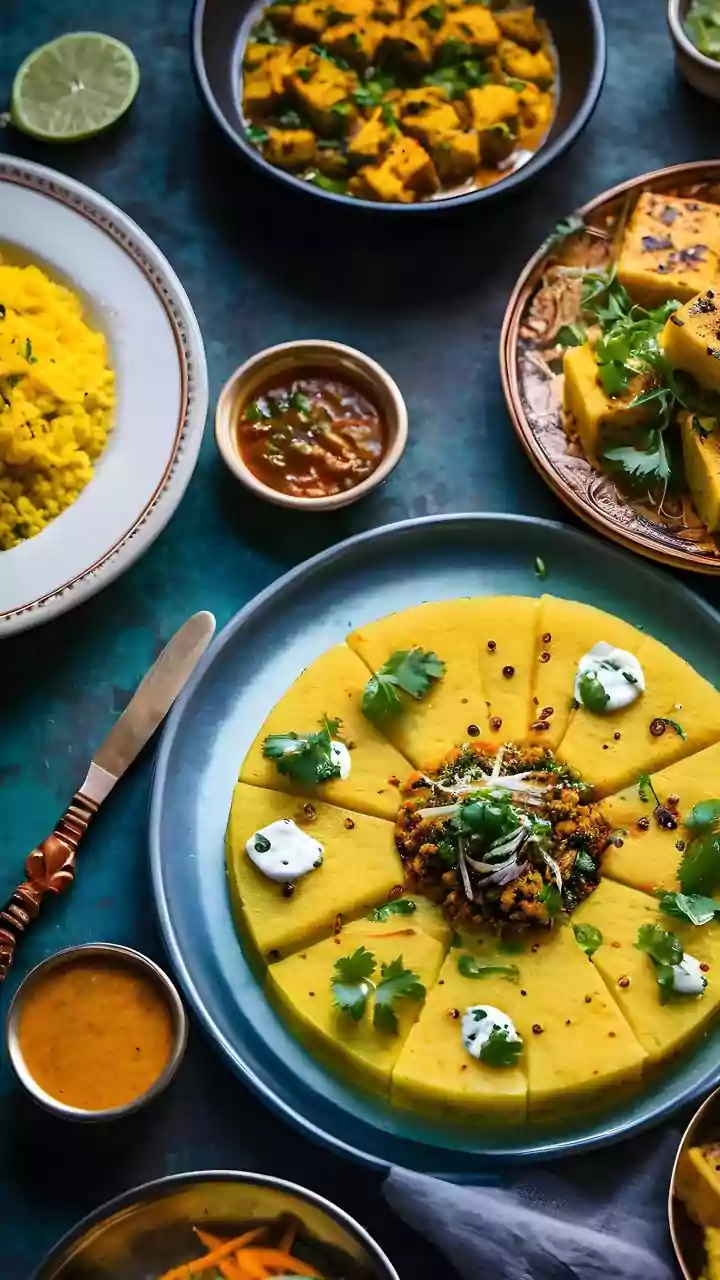
to lighter meals. Think steamed, boiled, or grilled preparations over deep-fried snacks. A warm bowl of soup is far better than a cold salad. Opt for easily digestible grains like old rice, barley, and moong dal. These foods provide sustained energy without overburdening your gut, helping you feel light and active despite the gloomy weather.
Choose Your Vegetables Wisely
While vegetables are essential, the monsoon demands careful selection. The high moisture content in the environment makes leafy greens like spinach and cabbage prone to contamination with mud, germs, and worms. It's best to limit their consumption or wash them extremely thoroughly in warm water with a bit of salt or vinegar before cooking them well. Instead, favour gourds and seasonal vegetables like lauki (bottle gourd), parwal (pointed gourd), tinda (apple gourd), and karela (bitter gourd). These vegetables are light, high in fibre, and have a natural cleansing effect on the body. Root vegetables like sweet potato and suran (yam) are also good choices.
Be Selective with Fruits
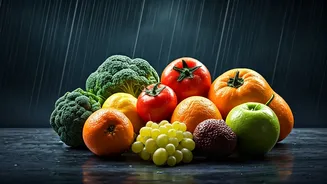
Fruits are a great source of vitamins, but not all are ideal for the monsoon. Opt for seasonal fruits like jamun, pomegranate, plums, and cherries. Apples and pears are also excellent choices as they provide fibre and essential nutrients that boost immunity. It’s generally advised to avoid water-heavy fruits like watermelon and muskmelon, as they can lead to water retention and slow down digestion. Also, be cautious with fruits that have been pre-cut by street vendors, as they are highly susceptible to contamination. Always wash your fruits thoroughly and consume them fresh.
Harness the Power of Spices
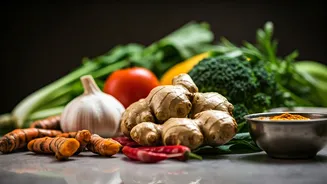
Indian kitchens are a treasure trove of medicinal spices that are particularly beneficial during the monsoon. Incorporate immunity-boosting and anti-inflammatory spices into your daily cooking. Turmeric (haldi) is a powerful antiseptic. Ginger (adrak) aids digestion and fights off cold and cough. Garlic (lehsun) has strong antibacterial and antiviral properties. Other spices like black pepper (kali mirch), asafoetida (hing), and fenugreek (methi) not only add flavour but also help improve digestion and keep infections at bay. A pinch of these in your dals, curries, and teas can make a significant difference.
Hydrate with Healthy Fluids
While it may not feel as hot, staying hydrated is crucial. However, the risk of water-borne diseases like typhoid and cholera is highest during this season. Always drink boiled, filtered, or purified water. Avoid drinking water from outside sources unless you are certain of its purity. Instead of cold drinks, which can weaken the digestive tract, switch to warm beverages. Herbal teas made with tulsi, ginger, or lemongrass are excellent. Warm soups and broths are also a fantastic way to stay hydrated while getting essential nutrients. These warm fluids help maintain body temperature and support your immune system.
Foods to Strictly Avoid
Certain foods pose a higher risk during the rainy season. Street food, especially items like chaat, golgappas, and fried snacks, should be avoided as the water and ingredients used may be contaminated. Raw salads and uncooked vegetables can harbour harmful bacteria and should be avoided. It's also wise to limit your intake of seafood, as this is the breeding season for fish, and the risk of water contamination is high, making them less fresh. Finally, reduce consumption of dairy products like yoghurt and cheese if you have a sensitive stomach, as they can be heavy to digest and may aggravate cold and phlegm.