



Choose Your Footwear Wisely
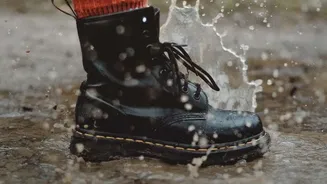
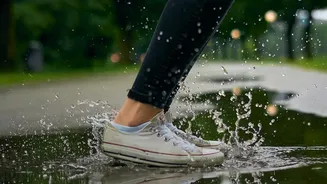
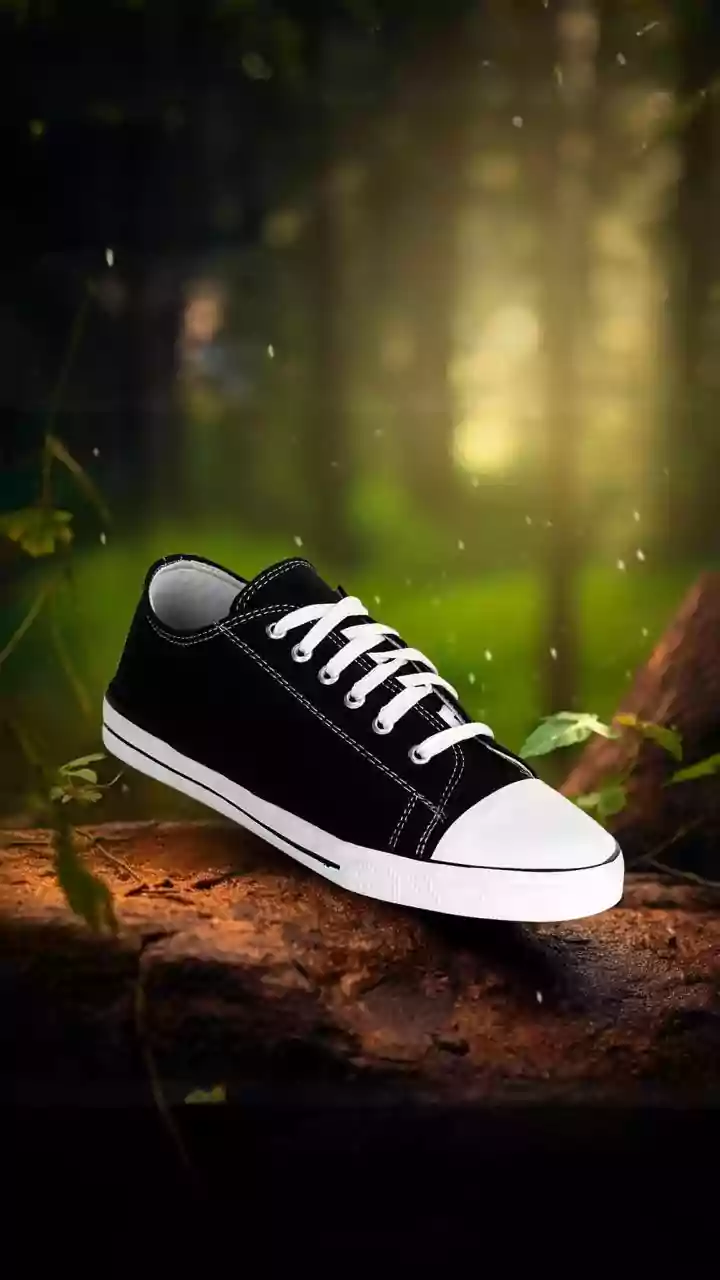
The first line of defence is selecting the right shoes. During the rainy season, it's best to avoid materials like suede, canvas, and certain types of leather that absorb water easily. Instead, opt for footwear made from rubber, treated leather, or other
water-resistant synthetic materials. These are not only better at repelling water but are also significantly easier to wipe clean. Investing in a good pair of waterproof shoes can save you a lot of hassle. It's also wise to rotate your shoes; wearing the same pair daily in wet conditions doesn't give them a chance to dry out completely, which can lead to odours and material damage.
The Power of Pre-Treatment
Before you even step out, a little preparation can make a huge difference. Applying a quality waterproofing spray creates a protective barrier on your shoes, causing water to bead up and roll off rather than soaking in. For a DIY approach on certain materials, you can use natural waxes like beeswax. Simply rub the wax thoroughly over the clean, dry surface of the shoe and then use a hairdryer to gently melt it, creating a thin, waterproof seal. Petroleum jelly can also offer a temporary protective layer on leather or synthetic shoes for light rain. Remember to reapply these treatments periodically, as their effectiveness wears off with use.
The On-the-Go Cleaning Kit
Despite your best efforts, encountering mud is sometimes unavoidable. The key is to act quickly. Wiping mud off as soon as you get indoors prevents it from setting and staining. Pack a small, portable cleaning kit for your travels. This doesn't have to be fancy: a small brush to flick off dried dirt, a microfiber cloth for wiping, and a few wet wipes can handle most situations. For stubborn stains on tougher shoes, a simple solution of mild soap and water is effective. Having these items on hand means you can deal with a mess immediately instead of letting it become a bigger problem later.
Mastering the Art of Drying
If your shoes do get soaked, proper drying is crucial to prevent warping, cracks, and odours. Never place them near direct heat like a radiator or in harsh sunlight, as this can damage the material. The best method is to stuff them with crumpled newspaper or paper towels, which absorb moisture from the inside while helping the shoes maintain their shape. Replace the paper every few hours until the shoes are dry. For better air circulation, loosen the laces and pull out the tongue. If the insoles are removable, take them out to dry separately.
Invest in Waterproof Bags and Cases
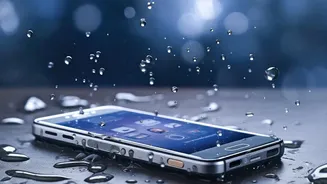
When it comes to technology, there's no room for error. The most reliable way to protect your phone, camera, and laptop is with dedicated waterproof gear. A waterproof backpack or a rain cover for your existing bag is a must for any serious traveller. For smaller gadgets, consider waterproof pouches or dry bags, which are designed to create a watertight seal. Many phone-specific pouches are IPX8-rated, meaning they can handle submersion, and are clear, allowing you to use your touchscreen through the case.
Budget-Friendly Tech Protection
You don't always need to spend a lot to keep your tech safe. Simple zip-seal plastic bags are an incredibly effective and affordable way to protect your phone and other small electronics from rain and splashes. While they might not be as durable as a dedicated case, they provide a reliable waterproof barrier in a pinch. When packing, compartmentalise your luggage using packing cubes and place electronics in their own waterproof casings within your main bag for an extra layer of security.
Emergency Plan for Wet Electronics
If disaster strikes and a device gets wet, act fast. The first and most important step is to turn it off immediately to prevent a short circuit. Do not try to charge it. Gently dab the exterior with a soft cloth and remove the SIM card and battery if possible. Despite the popular myth, do not put your phone in a bag of uncooked rice; small particles of starch and dust can get into the ports and cause more damage. A far better alternative is to place the device in an airtight bag with silica gel packets—the kind often found in new shoe boxes or electronics packaging—as they are designed to absorb moisture effectively. Let it sit for at least 24 to 48 hours before attempting to turn it back on.