
First, Become a Light Detective
Before buying a single plant, your first task is to understand the light in your home. This is the single most important factor for success. Observe your windows and balcony throughout the day. Which direction do they face? A simple compass app can tell
you. South-facing windows typically get the most intense, direct sun. East-facing windows receive gentler morning sun, while west-facing ones get strong afternoon heat. North-facing windows offer the least light, usually cool and indirect. Also, note any obstructions like nearby buildings or large trees that might block the sun. A simple 'shadow test' can also help: around noon, hold your hand up. A crisp, well-defined shadow indicates high, direct light, while a faint, fuzzy shadow suggests low light.
For Sun-Drenched Balconies and Windows
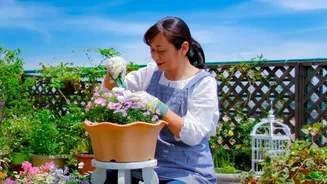
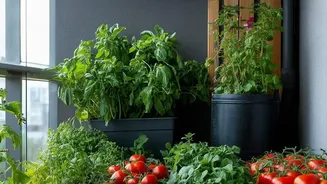
If your space receives four or more hours of direct, unfiltered sun, you've hit the jackpot for flowering and fruiting plants. This is common for unshaded south or west-facing balconies. These spots are perfect for vibrant, heat-loving plants that crave brightness. Consider Bougainvillea, with its profusion of colourful bracts, which thrives in intense sun and heat. Hibiscus is another excellent choice, producing large, beautiful blooms when given plenty of light. For smaller pots, Portulaca (Moss Rose) is a hardy succulent that flowers relentlessly in the sun and tolerates dry conditions. Many vegetables and herbs, like tomatoes, chillies, and tulsi (Holy Basil), also perform wonderfully in these sunny conditions, provided they are watered consistently.
For Bright, Indirect Light Spaces
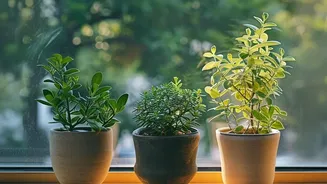
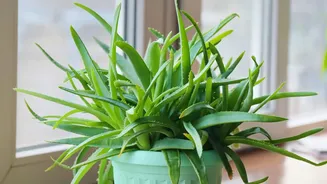
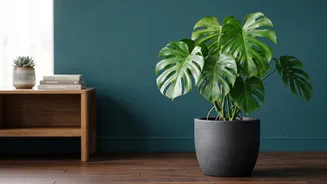
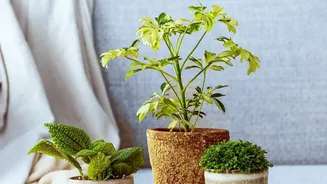
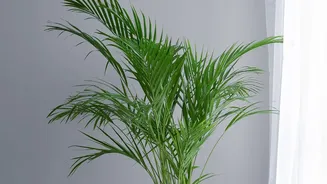
Many apartments, especially those with east-facing windows or spots near a sunny window but out of the direct sunbeam, are defined by bright, indirect light. This is the ideal condition for a huge variety of popular houseplants. The Areca Palm can lend a tropical feel to your space and is a great air purifier. Philodendrons are incredibly versatile, known for their lush foliage and ability to thrive in these conditions. Another classic choice is the humble Money Plant (Pothos), which is famously easy to care for and can be grown in hanging baskets to trail beautifully. Similarly, the Spider Plant, with its arching leaves, is very forgiving and does well in bright, filtered light.
For Low-Light Corners
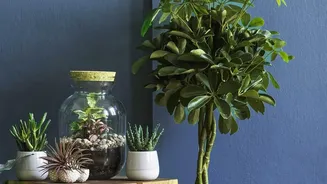
Don't despair if your apartment lacks sunny windows. Many homes have north-facing rooms or corners far from a light source that are perfect for low-light tolerant plants. These plants are champions of shade. The Snake Plant is nearly indestructible, tolerating low light and infrequent watering while also purifying the air. The ZZ Plant (Zamioculcas zamiifolia) is another stalwart option for beginners, with glossy leaves and a high tolerance for neglect. For a touch of elegance, the Peace Lily produces beautiful white spathes and has the helpful habit of drooping when it needs water. Chinese Evergreens (Aglaonema) are also fantastic, offering beautifully patterned leaves in various shades of green, silver, and pink that bring colour to even the dimmest spots.
Beyond Light: A Note on Care
While light is the primary consideration, remember that it works in tandem with other factors. A plant in a high-light spot will dry out faster and need more water than a plant in a low-light corner. Always use pots with drainage holes to prevent root rot, a common issue for new gardeners. As you get started, it’s wise to begin with just a few plants. Learning their specific needs for water and placement is a more manageable and rewarding process than trying to care for a dozen different species at once. Don't be afraid to move a plant if it doesn't seem happy; sometimes a spot a few feet to the left or right can make all the difference.