
The Power of Textural Contrast
Interior design is about more than what you see; it’s about how a space feels. Texture is the element that speaks to our sense of touch, adding depth and preventing a room from feeling monotonous. While a space dominated by hard surfaces like wood and stone
can feel cold and unwelcoming, a room filled only with soft fabrics can lack definition and structure. The magic happens when these opposites are combined. The interplay between a plush, yielding textile and a smooth, solid ceramic object creates a visual and sensory hierarchy. This contrast makes each material stand out more, creating a layered, sophisticated environment that feels complete and personal.
Embracing Softness and Comfort
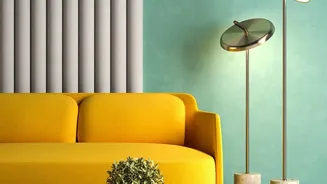
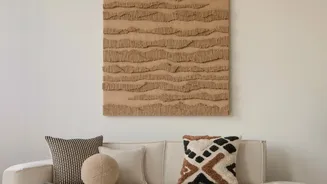
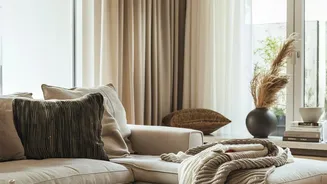
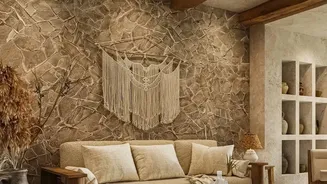
Soft fabrics are the heart of a comfortable room. Materials like velvet, wool, linen, and chunky knits invite you to relax and settle in. Think of a plush velvet sofa, a soft woollen throw draped over a chair, or layered linen bedding. These textiles absorb sound, add warmth, and soften the clean lines often found in modern design. Velvet, in particular, adds a touch of luxury and is a fantastic carrier of colour, bringing richness to a space. Using a variety of fabrics—a woven rug underfoot, bouclé cushions on a sofa, and sheer curtains—creates a rich, layered effect that makes a home feel inviting.
The Role of Hard Ceramics
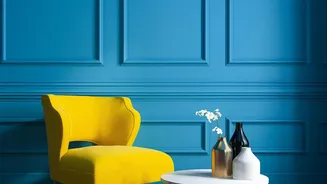
While soft fabrics provide comfort, hard surfaces like ceramics provide necessary structure, contrast, and elegance. Ceramic pieces—from sculptural vases and decorative bowls to tiled surfaces and lamp bases—introduce a cool, smooth element that balances the warmth of textiles. They can serve as grounding focal points, adding an earthy, handmade quality to a room. The gloss of a glazed ceramic vase can bounce light around a room, while the matte finish of an unglazed pot provides a subtle, grounding presence. These hard accessories prevent a space from feeling overly informal or lacking in definition.
How to Combine Them Effectively
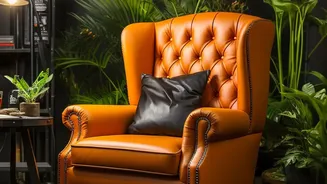
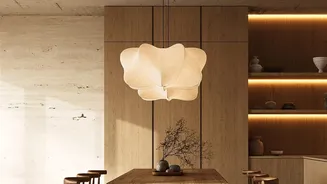
Bringing these materials together doesn't have to be complicated. Start with a neutral base for your larger pieces, like walls and sofas, which allows the different textures to shine. In the living room, place a collection of ceramic vases on a wooden side table next to a fabric-upholstered armchair. Top a smooth leather sofa with plush velvet and chunky knit pillows. In the bedroom, contrast a soft velvet headboard with sleek ceramic bedside lamps. For the dining area, pair upholstered dining chairs with a simple ceramic centrepiece on the table. Even small touches, like a ceramic tray on a soft ottoman, create a compelling visual dialogue.
Finding the Right Balance
The key to successfully mixing materials is balance, not letting every element compete for attention. A common mistake is using too many different 'feature' materials, which can make a space feel visually noisy and chaotic. Instead, choose one or two primary materials to define the space and let others play a supporting role. For example, if you have a bold velvet sofa, keep the ceramic accessories simple and in a cohesive colour palette. If your room is neutral, you can be more adventurous with a mix of textures to add interest. Be mindful not to overdo it; too many hard surfaces can feel sterile, while an excess of soft textures can feel unstructured.