





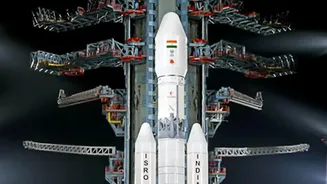
A New Frontier for Indian Tech Talent
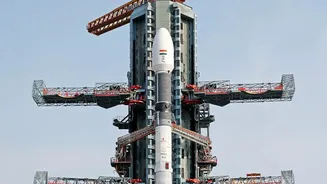
India's space sector is undergoing a massive transformation. Once the exclusive domain of the Indian Space Research Organisation (ISRO), the industry is now a bustling ecosystem of over 400 private startups. Companies like Skyroot Aerospace, Agnikul Cosmos,
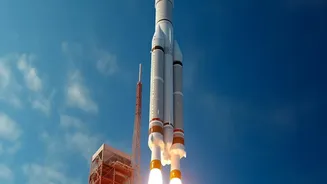
and Pixxel are not just launching rockets and building satellites; they are creating a diverse job market. This expansion, projected to turn the sector into a $44 billion industry by 2033, is fueled by a critical need for talent beyond core rocketry—specifically in software, data, and advanced electronics. For tech professionals across India, this means the dream of working on space missions is more accessible than ever.
Artificial Intelligence: The Brains of the Mission
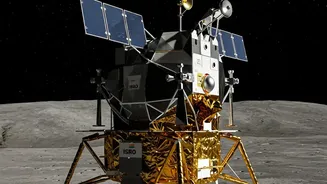
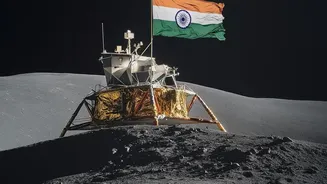
Artificial intelligence is becoming integral to modern space exploration, and India is actively integrating it into its missions. AI specialists are needed for a range of critical tasks. For instance, AI algorithms were vital in guiding the Chandrayaan-3 rover, helping it navigate the lunar surface and avoid hazards. Other key roles for AI experts include analysing vast datasets from satellites to identify celestial objects or track space debris, developing autonomous navigation systems for spacecraft, and using machine learning for predictive maintenance to ensure the health of satellites in orbit. Professionals with skills in Python, TensorFlow, and machine learning are finding that their expertise is directly applicable to solving some of the biggest challenges in space.
Data Science: Unlocking the Secrets of the Cosmos
Space missions generate an astronomical amount of data, from satellite imagery to deep-space telemetry. This is where data scientists and analysts come in. Their job is to process, analyse, and interpret this information to extract valuable insights. In India’s burgeoning Earth observation sector, companies like Pixxel and SatSure hire geospatial data analysts to turn satellite data into commercial products for agriculture, urban planning, and climate monitoring. These roles require a strong foundation in data handling, image processing, and statistical analysis. Skills in SQL, Python libraries like Pandas, and geospatial information systems (GIS) are in high demand for anyone looking to build a career at the intersection of data and space.
Electronics: The Heart of the Hardware
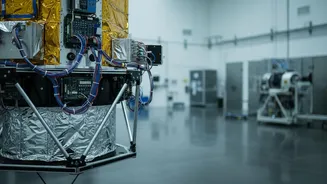
Every satellite, rocket, and ground station relies on sophisticated electronics to function. While aerospace engineering focuses on the vehicle's structure and flight, electronics engineers design its nervous system. ISRO and private companies alike actively recruit electronics and communications engineers for a wide array of roles. These positions involve designing and testing avionics (the electronic systems used on spacecraft), developing robust communication systems for sending data across vast distances, and creating sensitive sensors and payloads. With the rise of smaller, more complex satellites, there is a growing need for specialists in areas like RF systems, signal processing, and embedded systems.
How to Chart Your Course
Entering India's space sector no longer requires a degree exclusively in aerospace engineering. Graduates with B.Tech or M.Tech degrees in Computer Science, Electronics, or related fields are highly sought after. For those targeting private startups, demonstrated skills through personal projects, internships, and a strong grasp of programming languages are often more important than a degree from a top-tier IIT. Companies like Dhruva Space and Agnikul actively look for interns, which often serves as a direct pathway to a full-time position. Following the LinkedIn pages of founders and engineering leads at these startups can also provide direct insight into hiring needs. For a more structured path, ISRO's Centralised Recruitment Board (ICRB) holds regular exams for Scientist/Engineer positions open to various engineering disciplines.