



Prioritise Drainage Above All
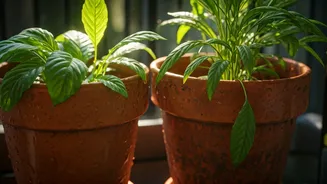
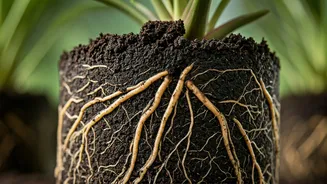
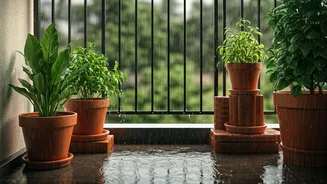
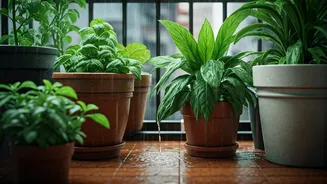
The single greatest threat to potted plants during heavy rain is waterlogging. When roots sit in saturated soil, they are starved of oxygen, leading to root rot. Before the monsoon arrives, ensure every pot has clear drainage holes. If a pot lacks them,
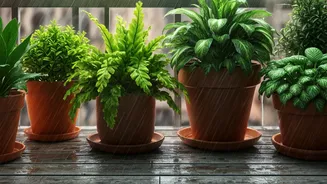
it's not suitable for outdoor use during this season. For extra protection, elevate your pots using bricks, wooden blocks, or dedicated 'pot feet'. This small gap allows excess water to escape freely and prevents drainage holes from getting blocked by the balcony floor. It is also wise to empty any saucers or trays that collect water promptly.
Provide Shelter and Cover
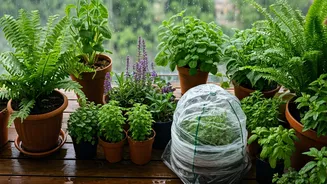
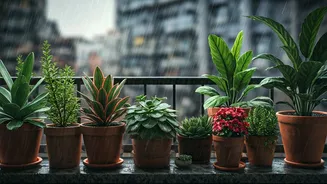
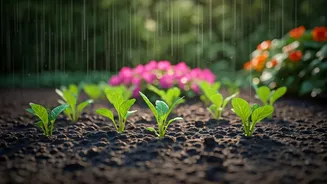
Not all plants enjoy a torrential downpour. Delicate species, succulents, and young seedlings are particularly vulnerable to being battered by heavy raindrops. The simplest solution is to move smaller pots to a more sheltered location, such as against a wall or under an overhang. For larger, heavier pots that can't be moved, you can create temporary shields using waterproof tarpaulins or garden umbrellas. Even grouping pots closely together can create a microclimate where the outer plants protect the inner ones.
Brace for Strong Winds
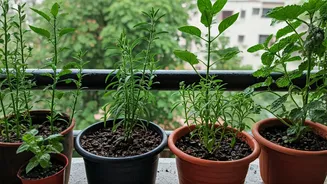
Heavy rain is often accompanied by strong winds, which pose another significant risk to balcony gardens. Wind can shred leaves, break stems, and even topple entire pots, especially lightweight plastic ones. To prevent this, consider using heavier pots made of ceramic or terracotta. You can also add weight to the bottom of lighter pots with stones or gravel before adding soil. For tall or top-heavy plants, use stakes for support and gently tie the stems with soft twine. Physical barriers like bamboo screens or trellises can also be installed to act as windbreaks, reducing the force of gusts.
Adjust Your Care Routine
During the rainy season, your plants' needs will change. Since the rain is providing plenty of water, you must reduce your manual watering schedule. Overwatering is a common mistake that leads to root rot. Always check if the top layer of soil is dry before watering. Heavy rain can also compact the soil, so gently loosen the top inch with a small tool to improve aeration. It’s also best to reduce fertilising, as the constant rain can wash nutrients out of the soil before the plant can absorb them. Opt for slow-release organic compost instead.
Prune and Prepare Beforehand
A little preparation goes a long way. Before the heavy rains begin, prune your plants by trimming away overgrown branches and dense foliage. This improves air circulation, which helps prevent the development of fungal diseases that thrive in damp, humid conditions. Removing excess foliage also reduces the 'sail' effect, making plants less likely to be damaged by wind. Get rid of any dead or yellowing leaves, as these can rot and invite pests.
After the Downpour: Recovery Mode
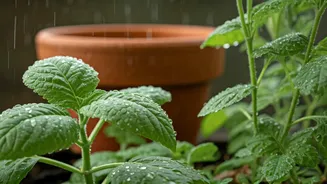
Once the rain subsides, it's time for a quick health check. Gently shake off excess water from leaves and flowers to prevent fungal growth. Remove any fallen leaves or petals from the soil surface. Keep an eye out for signs of pests like slugs and snails, which are more active in wet weather. If a pot has become completely waterlogged, you may need to gently tilt it to help drain the excess water. Check the drainage holes again to ensure they aren't clogged with mud.