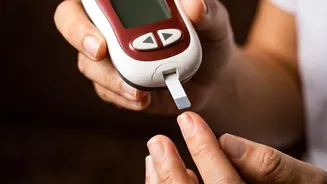







Feeling thirsty or needing the loo more often than usual? While often harmless, these common experiences can sometimes be your body's way of signalling an underlying issue, such as raised blood sugar levels. Understanding these signs is crucial.
The Classic Duo: Thirst and Urination
Excessive
thirst, known medically as polydipsia, and frequent urination, or polyuria, are two of the most recognised early symptoms of high blood sugar (hyperglycemia). An average person may urinate about four to seven times a day. For someone with high blood sugar, this can increase significantly, including waking up multiple times at night. This increased urination is not just about frequency but also about volume. Consequently, the body loses a large amount of fluid, which triggers an intense, persistent feeling of thirst that often can't be quenched, no matter how much you drink. This cycle of frequent urination and excessive thirst often go hand-in-hand.
Why Does High Blood Sugar Cause This?
The reason for this cycle is a biological process triggered by excess glucose in the blood. Normally, your kidneys work to filter and reabsorb glucose from the blood. However, when blood sugar levels are high, the kidneys can't keep up. This excess glucose spills into the urine. To dilute the high concentration of sugar, your body pulls extra water from your tissues, a process called osmotic diuresis. This leads to producing larger amounts of urine, causing you to visit the bathroom more often. This fluid loss is what leads to dehydration and triggers the brain to signal intense thirst.
Beyond Thirst: Other Signs to Monitor
While thirst and urination are key indicators, they are rarely the only signs. High blood sugar affects the entire body, and other symptoms often appear alongside them. Persistent fatigue and weakness are common, as your body's cells are starved for the energy that glucose is unable to provide effectively. You might also experience unexplained hunger, as the body sends conflicting messages for more fuel. Blurred vision can occur because high sugar levels can cause the lenses of your eyes to swell, affecting your ability to focus. Other potential signs include slow-healing sores or cuts, frequent infections like UTIs or yeast infections, and dry, itchy skin due to widespread dehydration.
What Can Cause Blood Sugar to Rise?
Several factors can contribute to high blood sugar. For many, it is a hallmark sign of undiagnosed or poorly managed diabetes, where the body either doesn't produce enough insulin or can't use it effectively. However, other factors can also cause temporary or chronic spikes. These include certain dietary choices, a sedentary lifestyle, illness, and high levels of stress. Some medications, like steroids, can also raise blood sugar levels. Over time, consistently high blood sugar can damage nerves, blood vessels, and organs throughout the body, leading to serious health complications like heart disease, kidney damage, and nerve problems.
When You Should Consult a Doctor
While these symptoms can be caused by less serious issues, it's crucial not to ignore them, especially if they are persistent or appear together. If you are experiencing excessive thirst, frequent urination, and other symptoms like fatigue or blurred vision, it is important to make an appointment with your healthcare provider. A simple blood test can determine if your blood sugar levels are in a healthy range. Early diagnosis and management are key to preventing the long term complications associated with untreated hyperglycemia. You should seek immediate medical help if these symptoms are accompanied by vomiting, abdominal pain, confusion, or difficulty breathing, as these could be signs of a serious condition like diabetic ketoacidosis (DKA).