



The Packaged Snack Trap
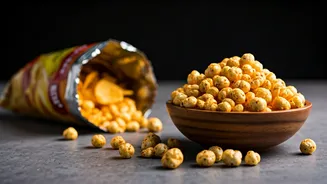
Let’s be honest: packaged snacks are everywhere. Supermarket aisles are overflowing with brightly coloured packets promising instant gratification. From masala-dusted potato chips and cheesy corn puffs to cream-filled biscuits and instant noodles, the
options are endless. Their biggest selling point is convenience. In a busy world, tearing open a packet is far easier than preparing a snack from scratch. However, this convenience comes at a significant cost to our health. Most processed snacks are ultra-processed foods, engineered to be hyper-palatable. This means they are loaded with high levels of sodium, unhealthy fats (including trans fats), refined sugars, and a long list of artificial flavours, colours, and preservatives. Regular consumption is linked to weight gain, high blood pressure, and an increased risk of chronic lifestyle diseases. They provide a quick burst of energy followed by a crash, leaving you hungry and unsatisfied shortly after.
The Unsung Hero of Indian Kitchens
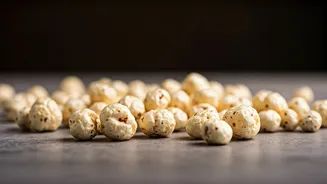
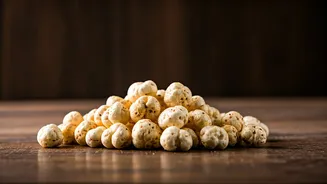
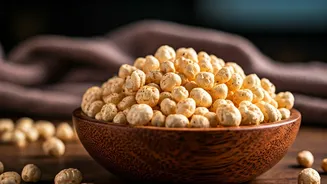
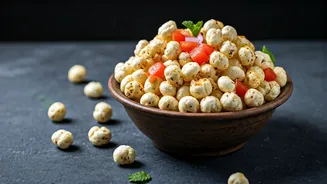
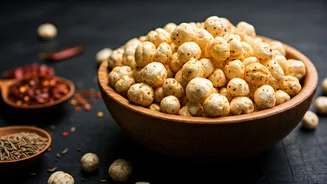
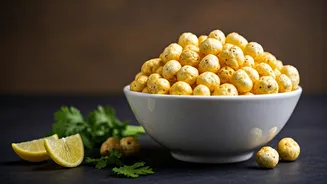
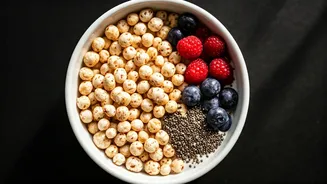
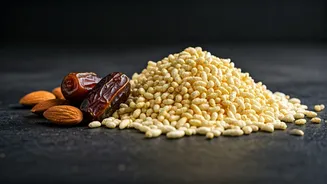
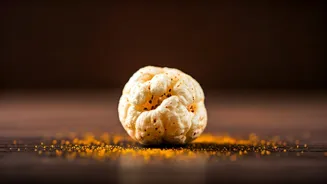
So, what’s the alternative? The answer has been sitting in our grandparents’ pantries and traditional Indian kitchens for centuries: Makhana, also known as fox nuts or lotus seeds. These humble, white, airy puffs are harvested from the Euryale ferox plant. Once harvested, the seeds are dried and then roasted at a high temperature, which causes them to pop and expand, much like popcorn. Makhana has long been a part of Indian culture, used in religious ceremonies, as a fasting food (vrat), and in traditional Ayurvedic medicine. But in the age of modern snacking, its incredible benefits have often been overlooked. It's naturally gluten-free, low in calories, and has a neutral taste that makes it a perfect canvas for a variety of flavours, from simple salt and pepper to tangy chaat masala.
Why Makhana Wins the Battle
When you put Makhana head-to-head with a typical bag of potato chips, the winner is clear. A 100-gram serving of potato chips can contain over 500 calories and nearly 35 grams of fat. In contrast, a 100-gram serving of plain roasted makhana contains around 350 calories and is virtually fat-free. A more realistic serving size of one large bowl (about 30 grams) of makhana is less than 100 calories, making it an excellent snack for weight management. Nutritionally, makhana is a powerhouse. It’s a good source of plant-based protein and dietary fibre, which helps you feel full and satisfied for longer, preventing overeating. It is also rich in essential minerals like magnesium, potassium, and phosphorus. Magnesium is crucial for muscle and nerve function, while potassium helps to counteract the negative effects of sodium, supporting healthy blood pressure. Packaged snacks, on the other hand, are often what we call 'empty calories'—high in energy but low in actual nutrients.
Incredibly Versatile and Easy
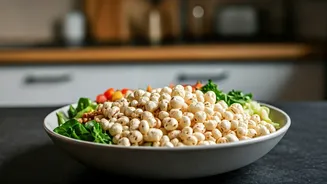
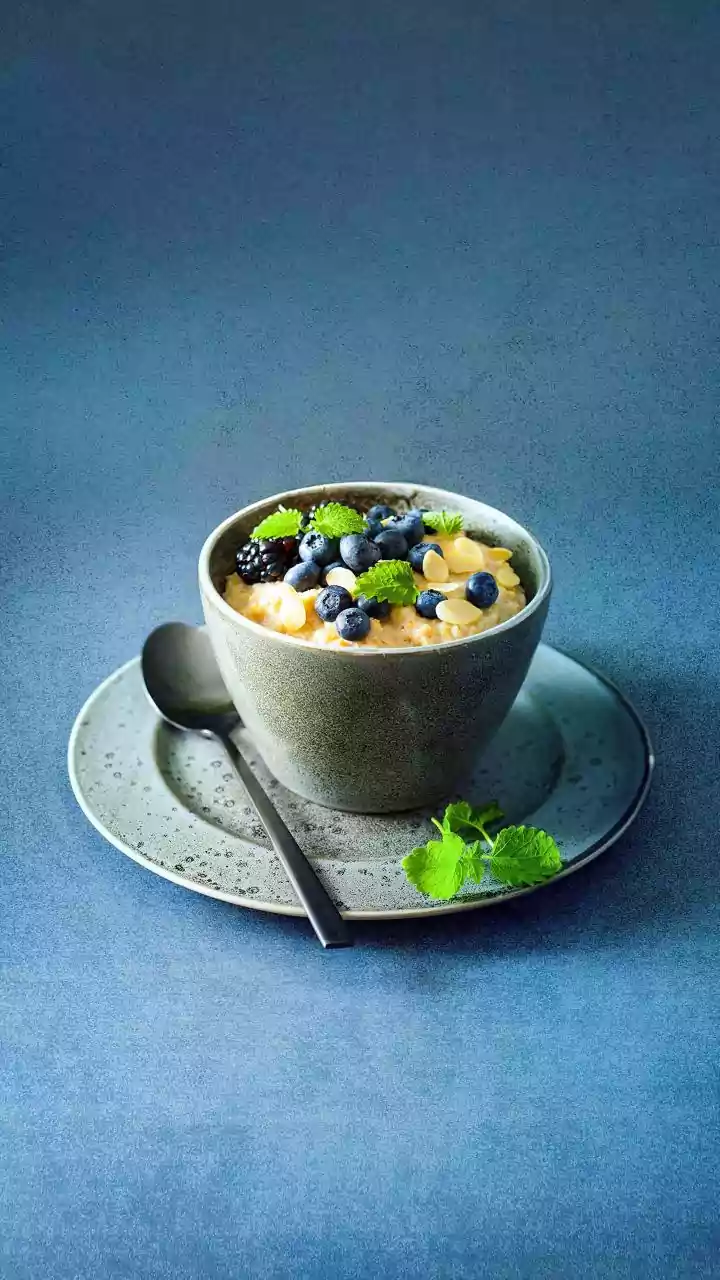
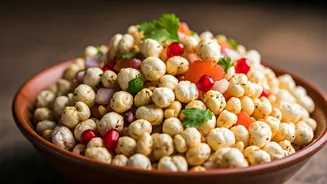
The beauty of makhana lies in its versatility. It's not just a healthy alternative to chips; it can be so much more. The simplest way to enjoy it is to dry roast it in a pan with a teaspoon of ghee or oil until it becomes crisp. You can test its readiness by crushing one between your fingers—it should break with a sharp crunch. Once roasted, toss it with your favourite seasonings. A pinch of salt and black pepper works wonderfully, but you can get creative with chaat masala, turmeric, red chilli powder, or even a sprinkle of peri-peri seasoning. But don't stop there. You can add roasted makhana to bhel puri for extra crunch, grind it into a powder to thicken soups and curries, or use it to make a delicious and healthy kheer. It's a fantastic, nutrient-dense addition to a trail mix with other nuts and seeds. This adaptability ensures you never get bored.
Making the Effortless Switch
Breaking the habit of reaching for packaged snacks can be tough, but makhana makes it easier. The key is to make it just as convenient. Spend 10 minutes on a Sunday evening roasting a large batch. Once cooled completely, store it in an airtight container. This way, you have a ready-to-eat, healthy snack available for the entire week. Keep a small container on your work desk or pack it in your bag. When that mid-afternoon slump hits, you'll have a delicious, crunchy, and guilt-free option right at your fingertips. By making this one small change, you’re not just choosing a snack; you’re choosing a healthier relationship with food, embracing a traditional ingredient that has stood the test of time for a reason.