



Why Now? The 'Poor' Air Quality Trigger
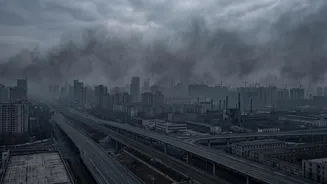
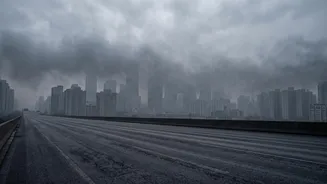
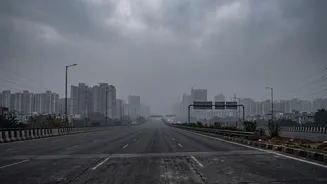
The annual battle against air pollution is officially underway. On October 21, the Commission for Air Quality Management (CAQM) invoked Stage 1 measures after Delhi’s average Air Quality Index (AQI) jumped into the ‘poor’ category, rising to 244 from
179 the previous day. GRAP is a pre-emptive rulebook designed to fight pollution in escalating phases. Instead of waiting for a public health emergency, it triggers specific actions based on AQI levels. Stage 1 is activated when the AQI is between 201 and 300. With meteorological forecasts predicting that the air quality is likely to remain poor, the CAQM has put these initial, preventative measures into immediate effect across the entire National Capital Region.
The Focus on Dust and Construction
A primary target of Stage 1 is dust from construction and demolition activities, a major contributor to particulate matter pollution. All construction and demolition projects on plots of 500 square metres or more must be registered on the government's web portal to continue work. These sites are required to implement strict dust control measures, such as covering all materials and debris, using water sprinklers, and deploying anti-smog guns. Transporting construction waste must be done in covered vehicles to prevent dust from spreading. Road-owning agencies have also been directed to intensify mechanized sweeping and regular water sprinkling on streets to suppress road dust.
Cracking Down on Waste Burning and Old Fuels
Another key component of Stage 1 is a strict prohibition on the open burning of any municipal solid waste, biomass, or leaves. Authorities will increase surveillance at landfill sites to prevent fires. The rules also target specific fuel uses. The use of coal and firewood in tandoors at hotels, restaurants, and other open eateries is now banned; they must switch to electric or clean gas-based appliances. Furthermore, the use of diesel generator sets is restricted and only permitted for emergency services and essential needs, pushing industries and commercial establishments toward uninterrupted power supply from the grid.
Vehicle Rules and Traffic Management
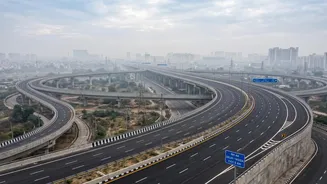
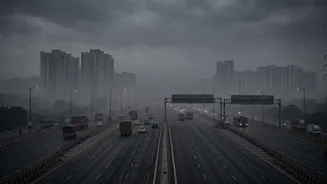
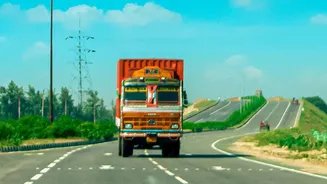
While there is no general ban on private cars under Stage 1, enforcement of existing vehicle norms is being strengthened. This includes rigorous checks for valid Pollution Under Control (PUC) certificates and action against visibly polluting vehicles. The long-standing ban on petrol vehicles older than 15 years and diesel vehicles older than 10 years remains in full effect. Additionally, Stage 1 mandates that interstate buses entering Delhi from neighbouring states like Haryana and Uttar Pradesh must be electric, CNG, or compliant with BS-VI diesel standards. To reduce congestion and pollution from heavy traffic, trucks not destined for Delhi are being diverted to the Eastern and Western Peripheral Expressways.
What Comes Next if Pollution Worsens?
GRAP is designed to be incremental. If the current measures fail to hold the line and the AQI deteriorates further into the 'Very Poor' (AQI 301-400), 'Severe' (401-450), or 'Severe+' (above 450) categories, more stringent actions will be automatically triggered. Stage 2 could involve measures like increasing parking fees to discourage private vehicle use. Stage 3 would bring stricter bans, such as restricting BS-III petrol and BS-IV diesel four-wheelers. The most drastic measures under Stage 4 could include a ban on trucks entering Delhi and potentially implementing the odd-even car rationing scheme. The goal of Stage 1 is to prevent the need for these more disruptive actions by controlling pollution at its source early on.