
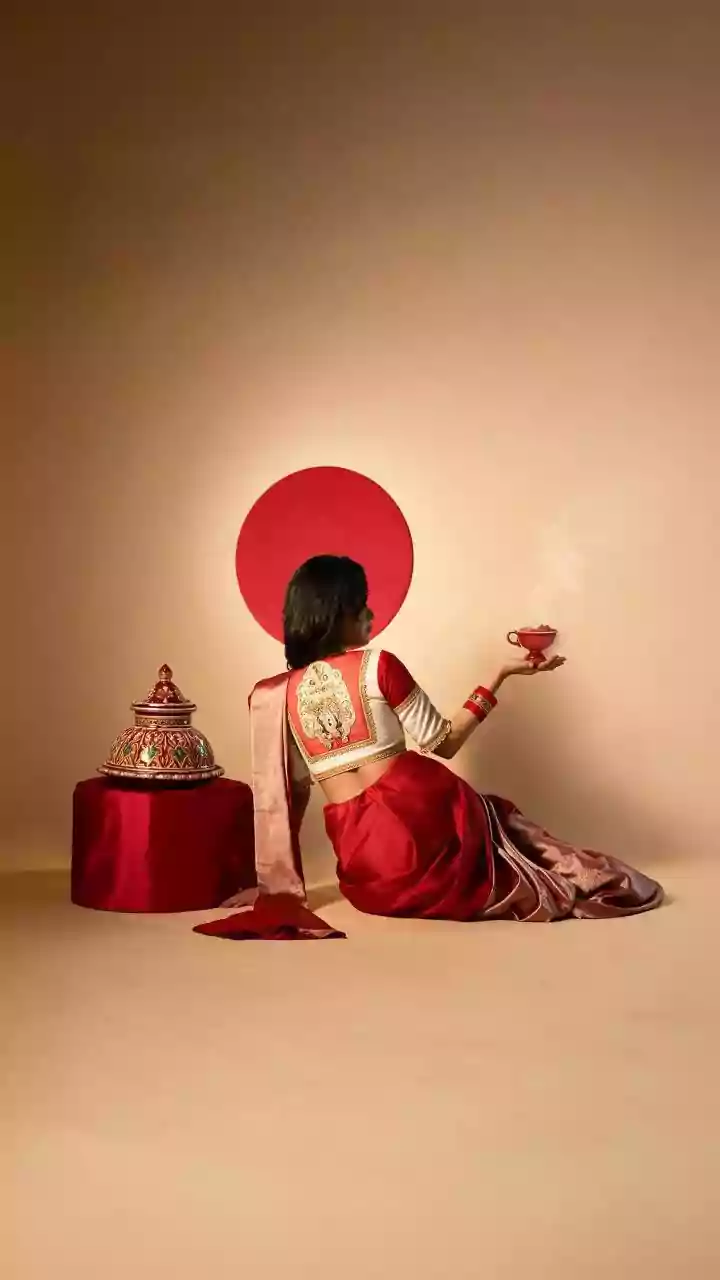


A quiet but powerful shift is reshaping modern Indian style. Minimalism is no longer just about muted tones and clean lines; it’s about conscious choices. Younger shoppers are now turning to the rich legacy of regional weaves to add soul to their pared-down
wardrobes.
The New Definition of Less
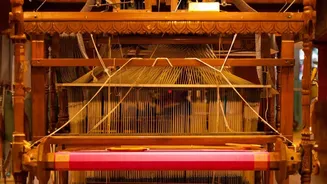
For years, minimalism was seen through a Western lens: a stark palette, severe cuts, and an absence of embellishment. But in India, a new interpretation is taking root, one that values intention over absence. Younger consumers are moving away from the churn of fast fashion not towards emptiness, but towards pieces with permanence and a story. This 'quiet luxury' isn't about visible logos; it's about the quality of the fabric and the versatility of the garment. This mindset aligns perfectly with the ethos of Indian handlooms, which are inherently sustainable and made to last for generations, not just a season.
Why Handloom Resonates Now
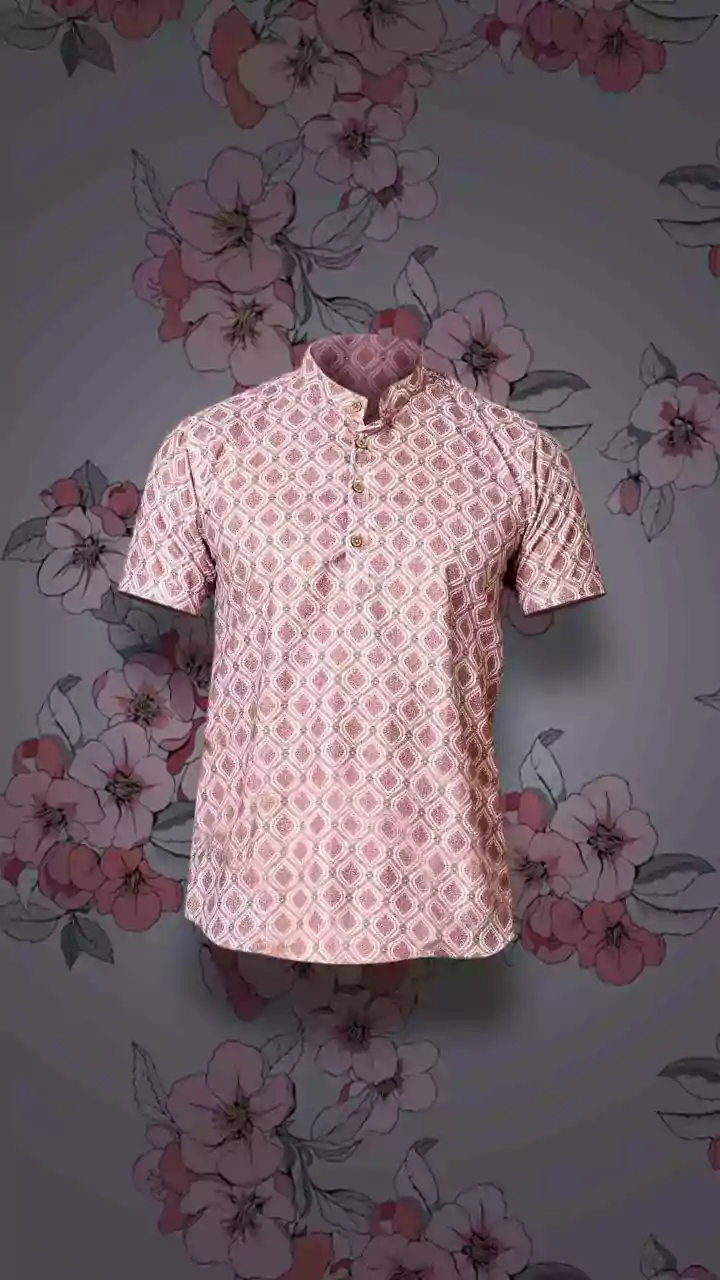
The growing attraction to regional weaves is driven by several factors. Firstly, there's a heightened awareness of sustainability. Handloom production uses minimal to no electricity, relies on natural fibres, and supports a circular economy, principles that deeply resonate with an eco-conscious generation. Secondly, there's a renewed sense of cultural pride. For many Gen Z shoppers, incorporating a piece of their heritage is a form of self-expression. It's a way to connect with their roots while participating in a global fashion conversation. This 'glocal' approach sees a hand-picked Ikat scarf or a Chikankari shirt not just as clothing, but as a marker of identity.
The Star Weaves for a Modern Wardrobe
Not all weaves are created equal when it comes to a minimalist aesthetic. Certain textiles lend themselves particularly well to contemporary styling. Khadi, with its textured feel and historic resonance from the Swadeshi movement, is a natural fit. Its breathability and comfort make it ideal for everyday wear. Chanderi from Madhya Pradesh, known for its sheer texture and lightweight elegance, offers a touch of understated luxury without being overpowering. Similarly, the graphic, geometric patterns of Pochampally Ikat from Telangana can act as a single point of focus in an otherwise neutral outfit. These textiles provide visual interest through their inherent craft rather than through loud prints or colours.
How to Style the Look
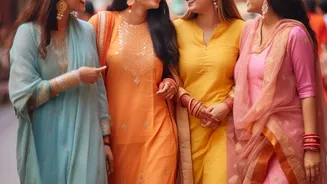
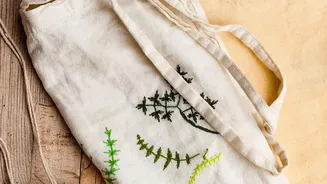
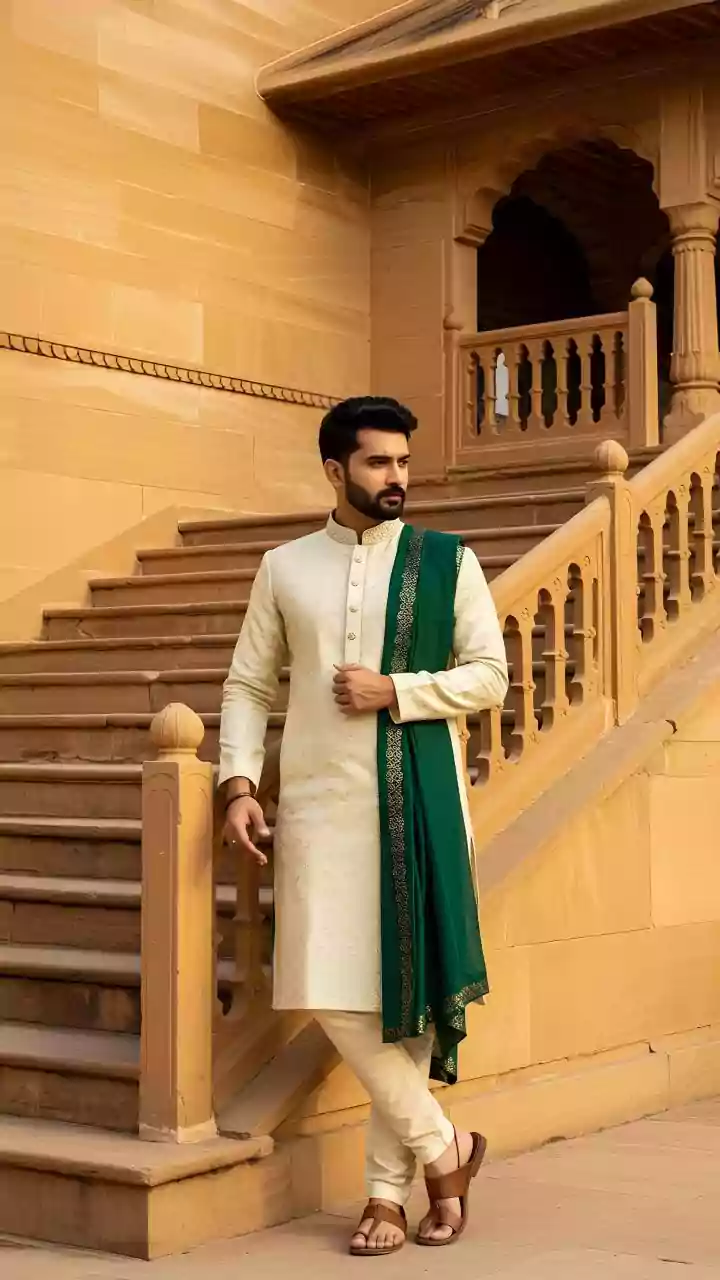
The key to integrating these rich textiles into a minimalist wardrobe is balance. The goal isn't to create a traditional ensemble but to use a single handloom piece as a highlight. A handwoven kurta paired with well-fitting jeans is a classic, effortless combination. A handloom shirt can be worn with tailored trousers for a work-appropriate look that is both comfortable and chic. Another popular approach is to use weaves as layers – think of an embroidered jacket over a simple top and trousers, or a Jamdani scarf draped over a solid-coloured dress. The trick is to keep the rest of the outfit simple and let the craftsmanship of the one piece speak for itself. Accessories should be minimal, and footwear modern, like clean sneakers or simple loafers, to keep the look current.
A Wardrobe with a Conscience
Ultimately, this trend is about more than just aesthetics; it's a statement of values. Choosing a handloom garment is a conscious decision to support the millions of weavers and artisans who are the custodians of these ancient crafts. In an industry often criticised for its environmental impact and labour practices, handloom offers a more ethical and sustainable alternative. It moves fashion from being a disposable commodity to a collection of cherished items. By investing in fewer, better pieces, younger shoppers are building wardrobes that are not only stylish and versatile but also meaningful. They are proving that you don’t have to choose between tradition and modernity—you can weave them together beautifully.