
The Pride of Altamura
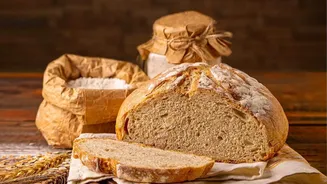
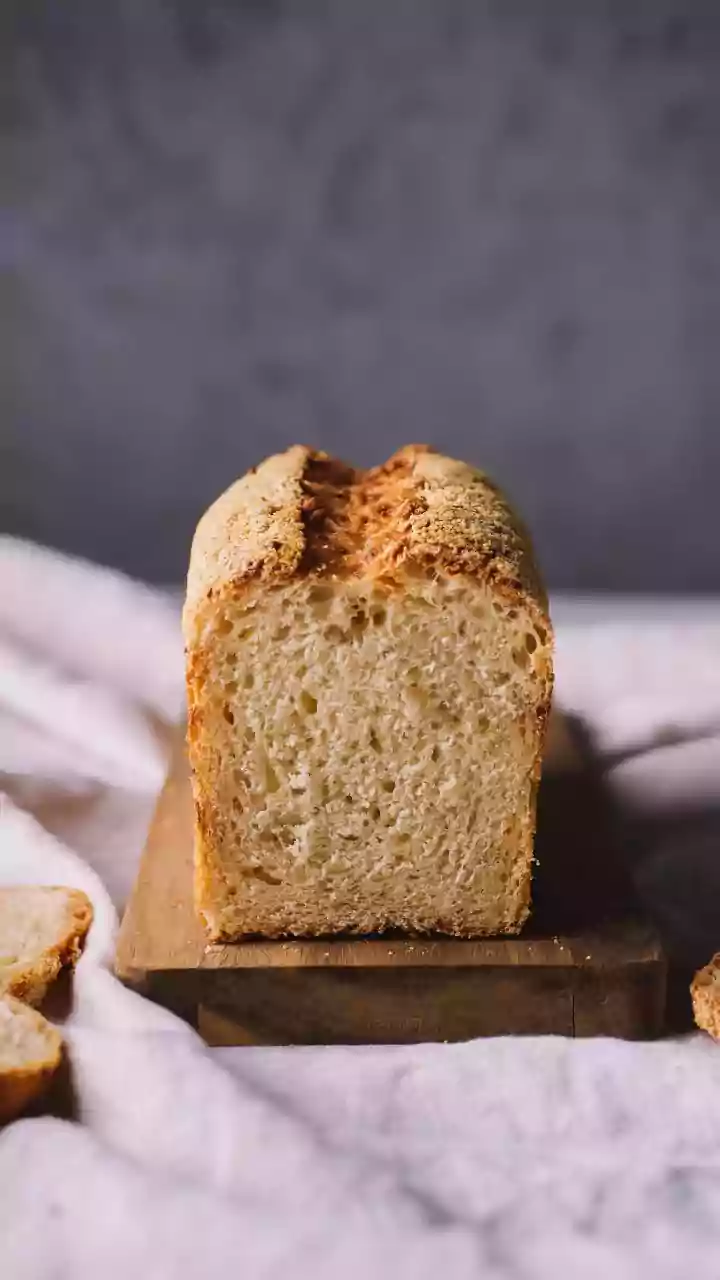
This celebrated loaf is called Pane di Altamura, or 'bread of Altamura'. It is so deeply woven into the identity of its namesake town that in 2003, it became the first bread in Europe to be granted Protected Designation of Origin (PDO) status. This prestigious
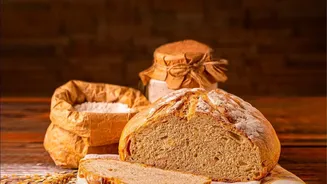
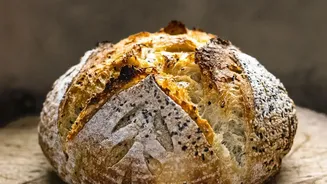
label means that true Pane di Altamura can only be produced in a specific part of Puglia, using local ingredients and time-honoured methods. The bread is known for its thick, crunchy crust, often at least 3 millimetres thick, and a soft, chewy interior with a distinctive straw-yellow hue. It's traditionally baked in large loaves, with two famous shapes: a taller, folded-over loaf known as 'u sckuanète' and a wider, flatter one that resembles a 'priest's hat'.
A History Born of Necessity
The bread’s incredible longevity was not a happy accident but a practical necessity. Its origins trace back to the shepherds and farmers of the Murgia plateau, who often spent weeks away from home tending to their fields and flocks. They needed a food source that was nutritious and would not spoil. Pane di Altamura was the answer. Its thick crust acts as a natural preservative, protecting the soft crumb inside and keeping it fresh for a week or even longer. Historically, families would knead their dough at home, brand it with their family initials to avoid mix-ups, and take it to be baked in communal wood-fired ovens. This tradition speaks to the bread’s central role in the community, a history that dates back millennia—even the Roman poet Horace praised it as 'the best bread in the world' in 37 BC.
The Science of Sourdough and Semolina
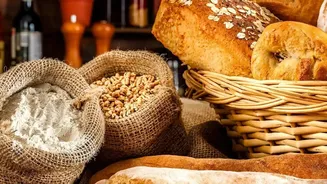
The secret to Pane di Altamura’s unique character lies in four simple but strictly controlled elements: remilled durum wheat semolina, water from the local aquifer, sea salt, and a mother sourdough starter that has been passed down through generations. The specific local varieties of durum wheat, such as 'Appulo' and 'Senatore Cappelli', are crucial, lending the bread its golden colour and nutty flavour. Unlike breads made from common soft wheat, the hard durum wheat creates a more robust structure. The slow, natural fermentation process using a sourdough starter, combined with baking in fiercely hot wood-fired stone ovens, creates the signature thick crust and airy, moist crumb that resists staling.
Why the Renewed Fascination?
So why is this ancient bread capturing modern attention? The renewed interest is part of a broader cultural shift. As consumers become more interested in sustainability, reducing food waste, and reconnecting with authentic food traditions, Pane di Altamura stands out as an emblem of the 'slow food' movement. Its long shelf-life is a direct challenge to the throwaway culture associated with industrial food production. Furthermore, in a world of complex ingredient lists, its simplicity is a major draw. For food-focused travellers and home bakers, the story of this bread—from the communal ovens of the past to its PDO-protected status today—offers a tangible taste of history and regional pride. A recent survey even confirmed it as the most popular bread among Italians, cementing its cherished status.