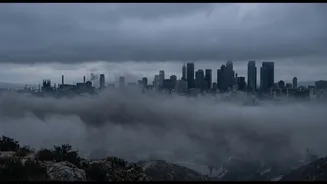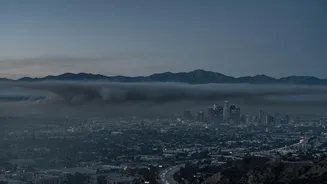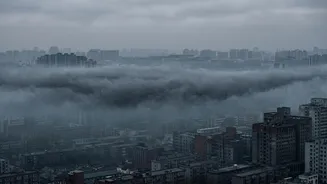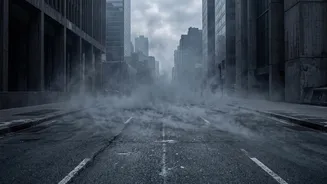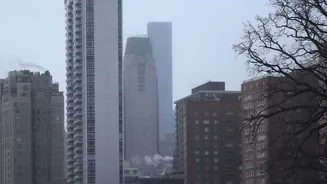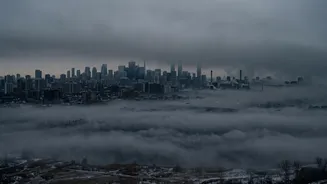





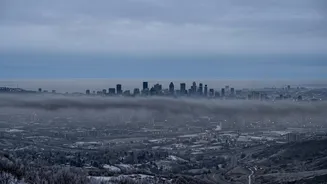

That familiar grey haze on a winter morning isn't just fog. It's a visible sign of a serious health hazard. In winter, the air we breathe often becomes a dangerous cocktail of pollutants that get trapped, making them more potent and harmful.
The Atmosphere Puts a Lid On It
The primary
reason winter air is so hazardous is a phenomenon called a temperature inversion. Normally, the air closer to the ground is warmer and rises, carrying pollutants away and dispersing them high in the atmosphere. But during cold winter nights, the ground cools rapidly, chilling the air just above it. This creates a layer of cold, dense air at the surface, trapped underneath a layer of warmer air above. This warm layer acts like a lid, preventing the cold air from rising. As a result, all the pollutants emitted from vehicles, industry, and construction dust have nowhere to go. They become concentrated at ground level, right where we breathe. Low winter wind speeds further prevent this stagnant blanket of pollution from moving away.
A More Toxic Chemical Mix
Winter conditions don't just trap pollution; they can also change its chemical makeup. Vehicle exhaust and industrial emissions release primary pollutants like nitrogen oxides (NOx) and sulfur dioxide (SO2). In the cold, stagnant winter air, these chemicals have more time to react with other compounds, like ammonia and volatile organic compounds (VOCs), often in the presence of sunlight and humidity. These reactions create more dangerous secondary pollutants, most notably fine particulate matter known as PM2.5. These are microscopic particles, far smaller than a human hair, that can penetrate deep into the lungs and even enter the bloodstream, posing severe health risks. Studies show that the formation of secondary pollutants like ammonium nitrate and ammonium sulfate is particularly enhanced in these cold, humid conditions.
Colder Engines, More Emissions
Our vehicles are also part of the problem. When an engine is cold, it runs less efficiently and its pollution control systems, like the catalytic converter, haven't reached their optimal operating temperature. This means that for short trips in winter—like a school run or a quick trip to the market—cars and two-wheelers emit significantly more carbon monoxide, hydrocarbons, and nitrogen oxides than they would on a longer journey with a fully warmed-up engine. Add to this the common practice of idling cars to warm them up, and the volume of raw pollutants being pumped into the already trapped air increases substantially.
Dust and Other Seasonal Factors
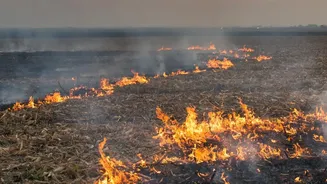
Industrial and construction dust are major components of particulate matter in Indian cities. During the dry winter months, there is less rain to wash these particles out of the air. This dust, combined with smoke from seasonal agricultural stubble burning in northern states and biomass burning for heating, adds a massive load of PM10 and PM2.5 particles to the atmosphere. When trapped by a temperature inversion, these particles create the thick, visibility-reducing smog that plagues many cities. These particles not only cause respiratory irritation on their own but also act as surfaces for dangerous chemical reactions to occur, further worsening the toxic mix.
What Are the Health Risks?
The health consequences of breathing this concentrated winter pollution are significant. Shortterm exposure can cause immediate symptoms like eye and nose irritation, coughing, headaches, and nausea. For vulnerable populations, including children, the elderly, and those with preying conditions like asthma or heart disease, the effects can be much more severe, leading to pneumonia, bronchitis, and exacerbated heart and lung problems. Longterm, chronic exposure to these pollutants, especially PM2.5 from diesel exhaust and secondary reactions, is linked to decreased lung function, chronic respiratory diseases, cardiovascular events like heart attacks and strokes, and even cancer.