



The Protein Power-Up
Protein is no longer a niche concern for gym-goers; it has officially gone mainstream in the Indian snack aisle. A recent report highlighted that a staggering 86% of Indian consumers now consider protein an important factor when choosing a snack. This
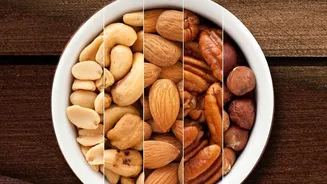
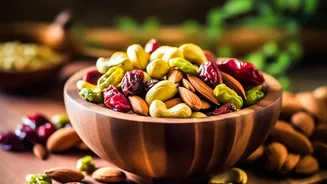
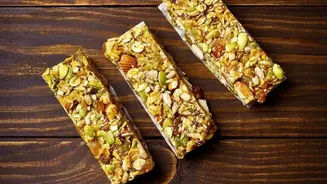
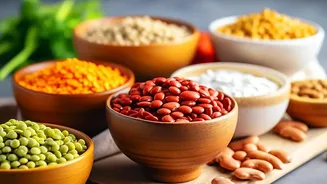
surge is driven by a growing awareness of protein's role in satiety, energy, and overall wellness. Consumers are actively looking for snacks that do more than just curb hunger—they want functional foods that contribute to their health goals. Brands have been quick to respond. Supermarket shelves and quick-commerce apps are now filled with protein-fortified versions of everything from granola and peanut butter to traditional snacks. Companies are highlighting pulse-based proteins from peas and chickpeas, and even reinventing classics like makhana and nuts as convenient, high-protein options. This isn't just about adding protein powder; it's about fundamentally rethinking ingredients to meet the demand of an increasingly nutrition-savvy public willing to pay a premium for healthier choices.
A Gut Feeling for Health
Parallel to the protein boom is a growing fascination with gut health. The understanding that a healthy digestive system is crucial for overall well-being and immunity has firmly taken root among Indian consumers. This has spurred a significant demand for probiotic and prebiotic foods that go beyond traditional curd and buttermilk. The market is seeing an influx of products like kefir, kombucha, and probiotic yogurts. This trend reflects a move towards preventive healthcare, where consumers are proactive about maintaining their health rather than just reacting to illness. While many Indians associate gut health with traditional home remedies, there is a clear and growing interest in packaged products that offer these benefits conveniently. Brands are responding by launching snacks and drinks specifically formulated to support digestive wellness, tapping into a market that is projected to see robust growth in the coming years.
The Clean Label Revolution
Perhaps the most significant shift is the demand for "clean labels." Today's consumer is a label-reader, scrutinising ingredient lists for artificial preservatives, synthetic additives, and unfamiliar chemicals. A clean label signifies simplicity and transparency—short, recognisable ingredient lists and minimal processing. While there is no legal definition for the term in India, for consumers it means food that is closer to its natural state. This trend is a direct response to rising health consciousness and a desire for transparency from brands. According to one recent study, 62% of respondents consider ingredient transparency the most important factor when choosing a snack brand, ranking it far above celebrity endorsements. Consumers increasingly prefer snacks sweetened with natural ingredients like dates or jaggery over refined sugar and are wary of complex chemical names. This is pushing manufacturers to reformulate products and be more honest about what goes into them, knowing that trust is now a key driver of loyalty.
Why This, Why Now?
This transformation isn't happening in a vacuum. It is fuelled by several converging factors. Increased digital awareness has given consumers unprecedented access to health and nutritional information. The post-pandemic era accelerated a collective focus on immunity and preventive health, making people more intentional about their food choices. Furthermore, rising disposable incomes and compressed urban lifestyles have created a class of consumers who need convenient food options but are unwilling to compromise on nutrition. They are actively seeking out snacks that serve as 'micro-meals'—portable, nutritious, and aligned with their wellness goals. As a result, the Indian healthy snacks market is not just growing; it's expanding at a faster rate than the global average, positioning India as a potential hub for healthy snacking innovation.