





The Golden Age of More-Is-More
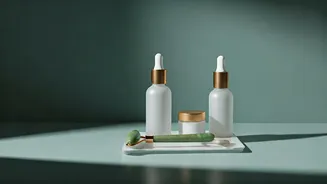
Not long ago, the height of skincare dedication was a shelf groaning with products. The 10-step K-beauty routine became a global phenomenon, promising unparalleled results through meticulous layering. The ritual typically involved a double cleanse (oil
followed by a water-based wash), an exfoliator, toner, essence, serum, sheet mask, eye cream, moisturiser, and finally, sunscreen. For many, it was more than a routine; it was a form of self-care, a quiet moment of pampering in a busy day. Brands flourished, and the pursuit of a luminous, poreless complexion, often called 'glass skin', turned skincare into a popular hobby. The philosophy was simple: each step served a unique purpose, preparing the skin to receive the maximum benefit from the next.
Cracks in the Glass Skin
However, the devotion to the 10-step doctrine began to wane. For many, the routine was simply too demanding in terms of time, expense, and effort. Beyond the practicalities, a more serious concern emerged: skin irritation. Dermatologists noted that layering multiple products with various active ingredients could overwhelm the skin, leading to redness, sensitivity, and a compromised skin barrier. The very products meant to perfect the skin were, in some cases, causing more harm than good. This overuse could strip the skin of its natural protective oils, leading to dryness and breakouts. The environmental impact of consuming so many plastic-packaged products also gave consumers pause, prompting a re-evaluation of what 'good' skincare really meant.
Enter Skinimalism: The 'Less Is More' Revolution
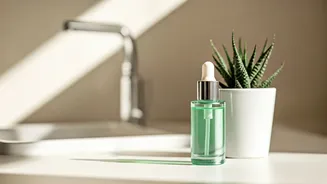
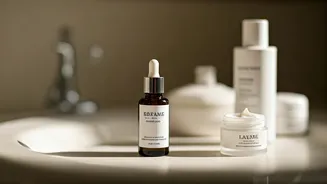
From the ashes of the maximalist routine rose a new, more intuitive approach: skinimalism. Also known as 'skip-care', this trend champions a minimalist philosophy, focusing on using fewer, multi-functional products that deliver effective results. This isn't about neglecting your skin; it's about making smarter choices. The 'less is more' approach has resonated deeply, especially in India, where busy lifestyles and diverse climate conditions demand a more practical and sustainable routine. Skinimalism prioritises quality over quantity, encouraging users to understand their skin's specific needs rather than blindly following a lengthy, prescribed regimen. The best skincare routine, after all, is one you can stick with consistently.
Building a Modern, Minimalist Routine
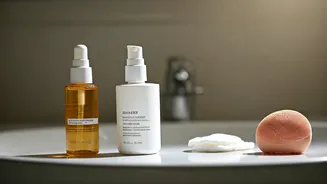
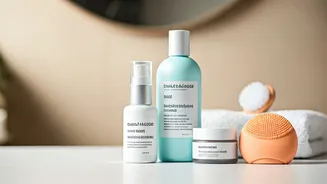
So, what does an effective, simplified routine look like? Dermatologists largely agree on a core framework. It boils down to three or four essential steps: cleanse, treat, moisturise, and protect. A gentle cleanser used morning and night removes impurities without stripping the skin. A treatment step, such as a serum containing Vitamin C for brightening or a retinoid for cell turnover, can be added to target specific concerns. A good moisturiser is non-negotiable; it hydrates and strengthens the skin's barrier. Finally, the most critical step for any routine is a broad-spectrum sunscreen with at least SPF 30, applied every single morning to protect against premature ageing and sun damage.
Personalisation Over Prescription
The ultimate takeaway from this shift is not that the 10-step routine was 'bad', but that a one-size-fits-all approach to skincare is obsolete. Even K-beauty experts clarify that the 10 steps were always intended as a customisable menu, not a rigid daily mandate. The new era of skincare is about listening to your skin. Some days it might need more hydration; on others, it might be best to keep it simple. It’s about being an informed consumer, choosing products with proven ingredients that work for your specific skin type and concerns, whether that involves three steps or seven. The goal is no longer an unrealistic 'glass skin' ideal, but healthy, resilient skin that you feel comfortable in.