



Meet the Green Contenders
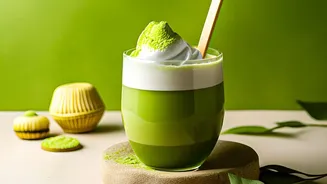
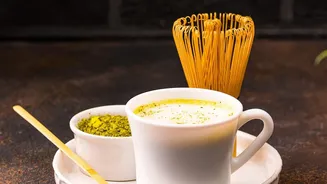
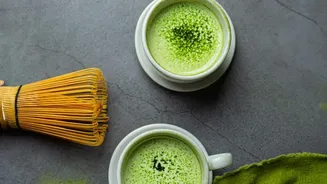
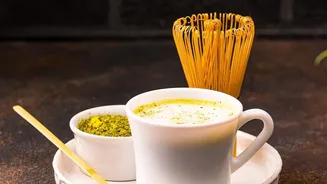
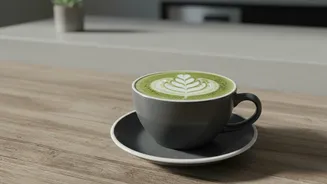
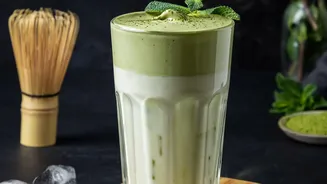
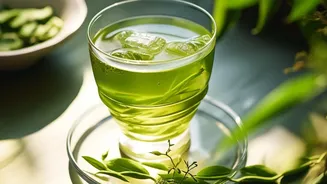
The star of this trend is undoubtedly the matcha latte. Made from finely ground powder of specially grown green tea leaves, matcha involves consuming the whole leaf, not just an infusion. This means you get a concentrated dose of its nutrients. Its taste
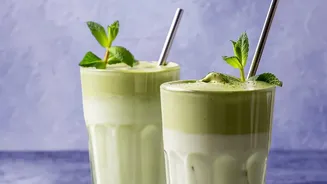
is often described as grassy and earthy with a hint of sweetness. But matcha isn't the only player. Moringa, derived from the leaves of the Moringa oleifera tree—long hailed in Ayurveda as the 'tree of life'—is another popular base. It offers an earthy, slightly spicy flavour and is naturally caffeine-free. Other green powders like spirulina are also making their way into lattes, offering a nutrient-dense alternative to a standard caffeine hit.
The Allure of Mindful Energy
A primary driver of this shift is the type of energy these green lattes provide. While cold coffee delivers a powerful, immediate caffeine kick, it can sometimes come with jitters or a subsequent crash. Matcha, on the other hand, contains an amino acid called L-theanine. This compound works with caffeine to promote a state of 'calm alertness', providing sustained energy without the anxiety. Many drinkers report feeling focused and energised over several hours. Moringa offers a different appeal: a natural, caffeine-free energy boost derived from its dense nutritional profile, which includes iron and protein. This appeals to a growing number of consumers looking to reduce their caffeine intake or seeking functional beverages that do more than just wake them up.
A Statement of Wellness and Aesthetics
Ordering a green superfood latte has become a subtle statement of wellness. In a world where preventive health is a major focus, consumers are actively seeking out foods and drinks with perceived benefits. The vibrant green hue, a result of high chlorophyll content in matcha and moringa, is not only visually appealing but has also made these drinks incredibly popular on social media. The aesthetic appeal has helped propel the trend, turning a simple beverage choice into a shareable moment. This trend aligns with a broader movement toward mindful consumption, where choices reflect personal health goals and a desire for natural, plant-based ingredients. The growth of India's functional drinks market, projected to nearly double by 2030, underscores this consumer-led shift.
The Cold Coffee Showdown
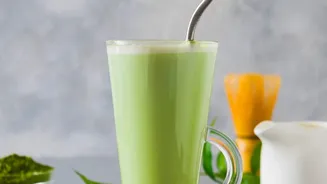
So, how does a green latte stack up against a cold brew? In terms of caffeine, cold brew is the clear winner for those needing a strong jolt. However, when it comes to antioxidants, the story is more complex. While coffee is a major source of antioxidants, matcha is packed with a specific type called EGCG, studied for its anti-inflammatory properties. From a cost perspective, superfood lattes often command a premium price, reflecting the cost of sourcing quality ingredients like ceremonial-grade matcha. The experience also differs. While cold coffee is a straightforward and familiar choice, the preparation of a matcha latte can be seen as a more mindful ritual. For a growing number of patrons in urban Indian cafes, from Mumbai to Bengaluru, the trade-off is worth it. The preference for cold beverages in India's tropical climate is also a factor, with iced matcha lattes providing a refreshing yet novel option.