



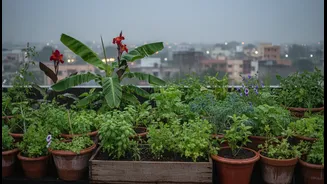


Why Rooftops and Monsoons Are a Perfect Match
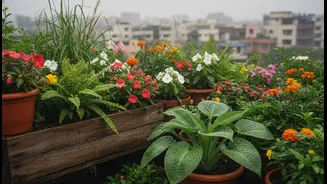
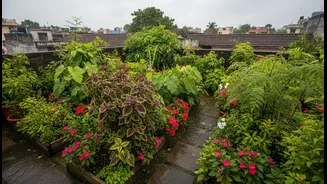
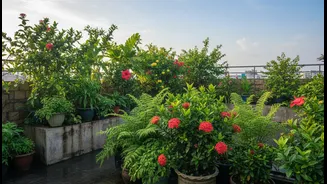
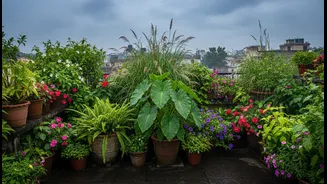
In the dense landscape of Indian cities, terraces and rooftops are often underutilised assets. This monsoon, a growing trend is seeing these concrete spaces transformed into vibrant green sanctuaries. The appeal is clear: a rooftop garden offers a personal
escape, a source of fresh produce, and a way to reconnect with nature without leaving home. The monsoon season, with its high humidity, ambient warmth, and free-flowing water, creates a perfect storm for plant growth. Many tropical plants, which are well-suited to Indian climates, experience their most vigorous growth during these months. Beyond the personal joy it brings, this trend has wider benefits, contributing to improved air quality and a reduction in the urban heat island effect, making our cities cooler and more liveable.
Before You Plant: Essential Rooftop Prep
Before you get carried away with seeds and soil, a little preparation is critical for a successful and damage-free rooftop garden. The most crucial first step is ensuring your roof can handle the load and is properly waterproofed. Soil, pots, and water are heavy, so for large-scale projects, consulting a structural engineer is a wise investment. Waterproofing is non-negotiable to prevent leaks and structural damage to your home. Professional waterproofing services apply a protective membrane that shields the roof. Additionally, ensure your terrace has a proper slope and functional drainage to handle both irrigation and heavy rainfall. Using lightweight containers like grow bags or reinforced plastic pots can help manage weight, and elevating all pots on bricks or stands prevents water from pooling underneath.
Top Plants for a Thriving Monsoon Garden
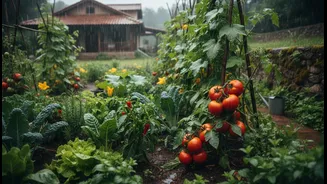
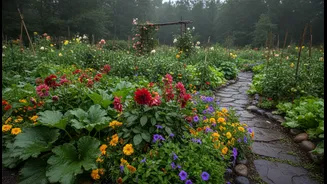
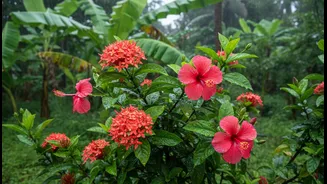
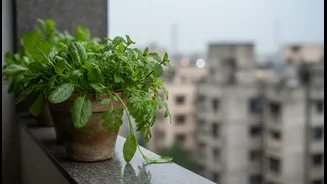
The monsoon is an incredibly productive season if you choose the right plants. Many vegetables and flowers don't just tolerate the rain—they thrive in it. Focus on varieties that love humidity and can handle moisture. Some excellent choices include: Gourds and Climbers: Bottle gourd (lauki), ridge gourd (tori), and yardlong beans (lobia) grow explosively during the monsoon. They will need a strong trellis to climb, but they reward the effort with a bountiful harvest. Leafy Greens: Amaranth (chauli) and spinach (palak) are fast-growing and can be harvested multiple times. They are perfect for container gardening. Root Vegetables: The rainy season is the traditional time to plant turmeric (haldi) and ginger (adrak). Taro (arbi) is another root vegetable that loves the monsoon rains. Flowering Plants: For a splash of colour, hibiscus, marigold, jasmine, and balsam are excellent choices. They not only look beautiful but also attract pollinators like bees to your vegetable plants. * Herbs: Mint (pudina) and coriander (dhania) are easy to grow in small pots and provide a fresh supply for your kitchen.
Monsoon Care 101: Managing Water and Pests
While the monsoon brings life-giving water, too much of a good thing can be a problem. The biggest risks to your rooftop garden are waterlogging and fungal diseases. To prevent waterlogged pots, ensure every container has ample drainage holes. Geo-fabric grow bags are particularly good as they allow water to drain from all surfaces. Always check the soil moisture before watering; on days with heavy rain, you likely won't need to water at all. To combat fungal diseases, which flourish in high humidity, ensure good air circulation by spacing your plants out. Avoid watering the leaves directly; aim for the base of the plant. A preventive spray of diluted neem oil every couple of weeks can also help keep pests and fungal issues at bay. Finally, be mindful of strong monsoon winds, which can damage plants. Grouping pots together or placing them against a wall can provide some protection.