







The Myth of the Wellness Accessory
The modern wellness industry is a multi-trillion dollar behemoth built on a simple, alluring premise: your well-being can be purchased. It suggests that a healthier, more peaceful life is just one transaction away, waiting in a box or a bottle. This has led
to the rise of the 'wellness accessory'—items that are marketed as essential tools for achieving a state of calm. The problem is, this approach often creates the very thing it promises to eliminate: stress. Instead of fostering peace, the pressure to acquire the 'right' products can lead to a cycle of consumerism and clutter. This pursuit of purchased serenity presents well-being as something complex that must be bought, rather than something cultivated. The paradox is that adding more 'stuff' to our environment, even with the best intentions, can contribute to the visual and mental noise we are trying to escape.
Your Brain on Clutter
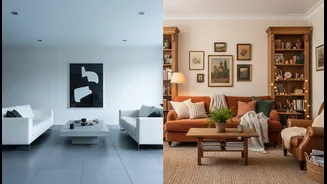
Clutter is more than just a physical mess; it's a significant psychological burden. Research shows a direct link between cluttered environments and increased levels of cortisol, the body's primary stress hormone. When our spaces are filled with disorganised items, our brains are forced to process a constant stream of visual stimuli. This visual noise competes for our attention, making it difficult to focus, limits the brain's ability to process information, and can lead to mental fatigue and irritability. Every object represents an unfinished task or a decision yet to be made, creating a form of mental background noise that prevents true relaxation. Essentially, a cluttered home keeps your nervous system on a low-grade state of alert, whispering chaos even when you're trying to find peace.
The Art of Subtraction
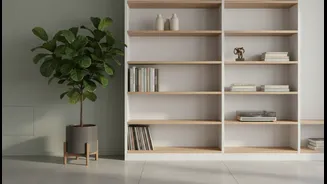
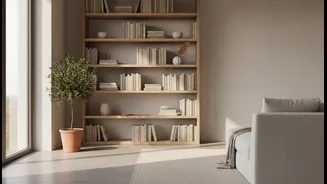
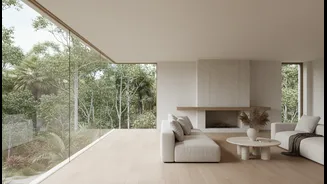
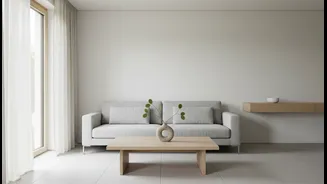
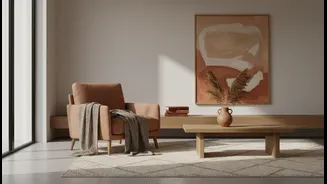
If adding accessories doesn't work, the alternative is intentional subtraction. This is the core principle of minimalism, which is less about stark, empty rooms and more about aligning your environment with your values. Creating a calm interior means curating what you allow into your space, keeping only the items that are functional or hold genuine emotional value. It’s about creating room for your mind to breathe. This philosophy of subtraction extends beyond physical objects. It includes reducing sensory inputs, like constant background noise from the television, and managing digital intrusions. A truly peaceful home isn’t an empty one, but one where every item has a purpose and there is deliberate space for quiet, light, and rest.
Taming Digital Interruptions
In the modern home, some of the most persistent interruptions are digital. The constant ping of notifications from our phones and laptops can severely disrupt our focus and peace. Studies on remote work have found that these cross-domain interruptions increase stress and make it difficult to mentally switch off. To reclaim your sanctuary, you must set firm boundaries with technology. This can be as simple as designating tech-free zones or times, such as the dinner table or the bedroom. Turning off all non-essential notifications on your phone is another powerful step. You can also schedule specific times to check emails and social media, rather than allowing them to pull your attention throughout the day. By managing these digital inputs, you reduce the mental 'noise' that contributes to a feeling of being overwhelmed.
Curating Physical Serenity
Decluttering your physical space is a practical exercise in mindfulness. It’s not about perfection, but about making conscious choices. Start small to avoid feeling overwhelmed; choose one drawer, one shelf, or one countertop. The goal is to create functional spaces where everything has a designated home, which reduces the mental load of searching for things and tidying up. As you sort through items, ask if they serve a real purpose or bring you joy. This process of intentional editing doesn't just clear physical space; it clears mental space, too. By surrounding yourself only with things you love or use, you transform your home from a storage unit into a supportive environment. An organized space sends a signal of stability to the brain, fostering a sense of control and calm amidst the chaos of daily life.