




Understanding the Price Hike
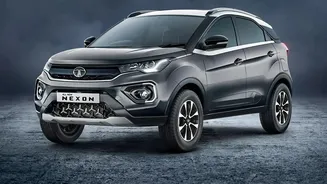
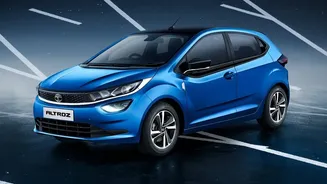
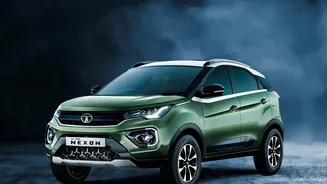
On August 21, Tata Motors confirmed it will increase prices across its entire passenger vehicle portfolio, which includes both petrol, diesel, and electric models. This means popular cars like the Nexon, Punch, Altroz, and Safari will become more expensive
starting September 1, 2026. The company has stated the increase is necessary to partially offset the rising costs of raw materials and persistent inflation. It’s important to note this is not a flat ₹25,000 increase on every car. The hike will vary depending on the specific model and variant, so the impact on a base model Tiago will be different from that on a top-end Safari. This is the third time Tata has raised prices in 2026, following similar moves by other major manufacturers like Maruti Suzuki and Hyundai, indicating a broader industry trend.
Confirm the New On-Road Price
The first and most critical step for any potential buyer is to look beyond the ex-showroom price. The announced hike of up to ₹25,000 applies to the ex-showroom cost, but the final on-road price you pay will be higher. This is because the on-road price includes additional costs like road tax, registration, and insurance, which are calculated as a percentage of the ex-showroom price. Therefore, a ₹20,000 increase in the ex-showroom price could translate to an even higher amount out of your pocket. Before finalising your budget, ask the dealership for a detailed, updated on-road price quote for the specific variant you are interested in, effective September 1.
Check for Price Protection on Your Booking
If you have already booked a Tata vehicle but are awaiting delivery, the most important question for your dealership is about 'price protection'. Sometimes, manufacturers offer price protection to customers who booked their vehicle before a price hike was announced. This means you would be eligible to pay the price that was applicable at the time of your booking, not the new, higher price. However, this is not guaranteed. Policies vary, and unless explicitly offered by the company for this specific hike, the price at the time of delivery is usually the one that applies. Contact your sales executive immediately to get clarity on whether your booking is protected from the September 1 increase.
Investigate Dealer Inventory for Old Stock
A price hike is typically effective on vehicles invoiced from the factory to the dealer after a certain date. This means some dealerships might still have vehicles in their stockyard that were purchased at the pre-hike price. If you are ready to be flexible on colour or even a specific variant, you might get lucky. It is worth calling multiple dealerships in your city to inquire about immediately available stock. Acting quickly before the end of August could allow you to take delivery of a vehicle at the older price, completely bypassing the impending increase. This window of opportunity is usually small, so speed is essential.
Re-evaluate Your Variant and Budget
A price increase can sometimes push your preferred variant just outside your budget. Use this as an opportunity to reassess your choice. Check the variant-wise price difference carefully. Perhaps the price increase on the next variant down is minimal, and it still offers most of the features you need. Alternatively, the new price might bring a rival manufacturer's model into contention. For example, if the top-end Nexon becomes significantly more expensive, you might want to re-evaluate its competitors. A price hike is a good moment to pause and confirm if the car and variant you initially chose still represent the best value for your money under the new pricing structure.