







From Off-Season Bargain to Prime-Time Experience
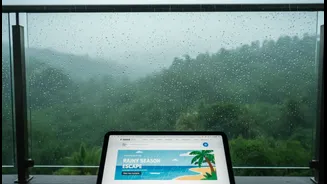
Not long ago, the monsoon was India's tourism off-season, a time when hotels slashed prices to fill empty rooms. That perception is changing rapidly. The rainy season is transforming into one of the country's fastest-growing travel periods, with some
destinations seeing bookings increase tenfold. This surge isn't just about chasing discounts. While attractive deals still exist, hotel prices in popular leisure spots like Goa have become more resilient compared to pre-pandemic years, when tariffs would plummet. This indicates a fundamental shift in traveller mindset. Instead of just a cheap room, travellers are now seeking value in the form of unique experiences, whether it’s an Ayurvedic wellness retreat in Kerala that is considered most effective during the rains or a spiritual sojourn in Rishikesh. The focus is less on how little one can pay and more on what the destination can offer, even when it pours.
The New Weather Reality
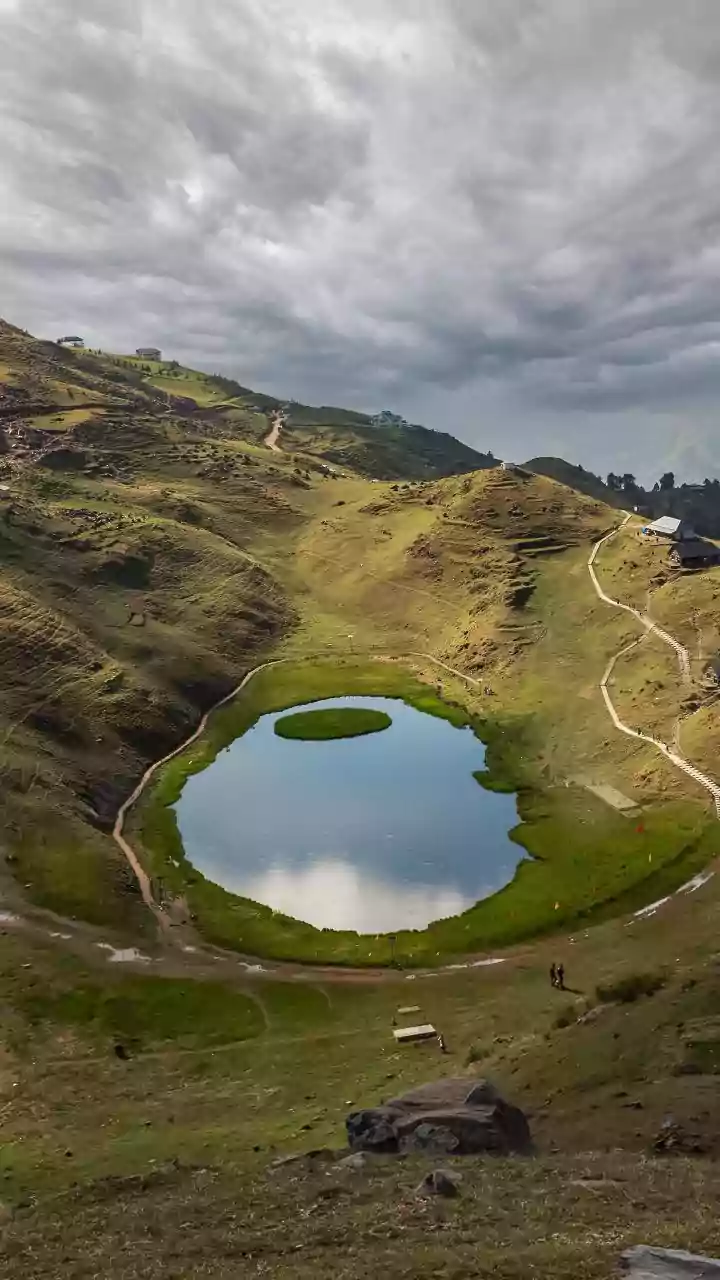
A significant driver for this increased scrutiny is the climate itself. Monsoon patterns are becoming more erratic and intense, a reality that travellers can no longer afford to ignore. Hill stations in the Himalayas, for instance, are experiencing a dangerous convergence where the peak tourist influx coincides with the period of heaviest rainfall, heightening the risk of landslides and flash floods. These environmental hazards, which can disrupt travel plans and pose serious safety threats, are prompting travellers to be more diligent. Pre-trip planning now involves more than just booking a hotel; it includes checking long-range weather forecasts, researching road accessibility, and reading recent reviews for any mention of weather-related issues. Government tourism departments also advise visitors to stay informed via official weather updates before and during their trips, reinforcing a culture of cautious planning.
The Rise of the Digital Detective
The modern traveller is an empowered researcher, armed with a wealth of digital tools. This online diligence is a core part of paying “closer attention.” Gone are the days of relying solely on a hotel’s marketing brochure. An overwhelming 89% of Indian travellers now consider online reviews to be important when selecting a hotel. They trawl through booking portals, travel blogs, and social media to gauge everything from room cleanliness and service quality to how a property handles monsoon-specific problems like power cuts or leaky roofs. This digital feedback loop puts pressure on hotels to maintain standards year-round. On the flip side, travel platforms are using increasingly sophisticated data analytics to track search queries, booking patterns, and even weather forecasts to predict and shape demand, creating a more responsive and data-driven tourism ecosystem.
Experience-Led Itineraries Take Over
The decision-making process for monsoon travel has become experience-led rather than destination-led. According to booking platform data, travellers are increasingly selecting destinations that align with their personal interests. The search is for more than just a scenic view from a window. There is growing demand for hotels that offer specific activities like cultural immersion, nature walks, wildlife spotting, or culinary exploration focused on seasonal ingredients. This has led to the booming popularity of places like Mussoorie and Rishikesh, which have seen search interest grow by over 160% and 200% respectively. Travellers are carefully curating their trips, choosing properties that facilitate these experiences, ensuring their holiday is rewarding even if the weather confines them indoors for periods.