







The Race Against Time
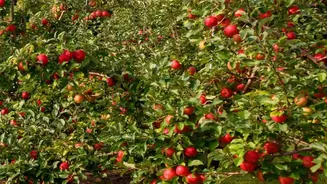
Every year, as harvest season peaks in Kashmir, a frantic race begins. Orchardists, who cultivate over 75% of India's apples, must get their perishable produce to market before it spoils. Historically, this has created a market glut, forcing farmers into
'distress sales' where they accept rock-bottom prices from middlemen just to avoid total loss. The lack of adequate storage infrastructure has meant that a substantial percentage of the harvest, estimated by some studies to be between 10% and 25%, spoils before it can be sold, representing a massive economic blow to a region where half the population is linked to the apple industry. A delay of even a few days after picking can drastically shorten the apple's shelf life, turning a potential profit into a painful loss.
A Breath of Fresh (Controlled) Air
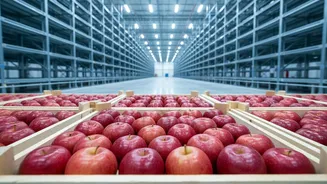
The game-changer in this battle against spoilage is the Controlled Atmosphere (CA) storage unit. These are not ordinary cold storage facilities. A CA store is a high-tech, airtight chamber that precisely manages the composition of the air inside. By lowering oxygen levels, increasing carbon dioxide, and controlling temperature and humidity, these units effectively put the apples into a state of hibernation. This process dramatically slows down ripening and decay, extending the fruit's shelf life from a few weeks to as long as ten months. This technology gives farmers something they have never had before: control over time. Instead of being forced to sell in a saturated market, they can now store their A-grade apples and release them for sale months later, when supplies are low and prices are high.
The Power of Collective Action
While individual farmers often cannot afford the high capital investment required for a CA unit, Farmer Producer Organisations (FPOs) and cooperatives are stepping in to pool their resources. By banding together, growers can jointly invest in and manage these advanced facilities. This collective approach not only makes the technology accessible but also strengthens their bargaining power in the market. Government initiatives like the Mission for Integrated Development of Horticulture (MIDH) and the Agriculture Infrastructure Fund (AIF) are further catalysing this shift by providing subsidies and financial assistance for setting up post-harvest infrastructure. Recent data shows a significant increase in approved cold storage projects in Jammu and Kashmir, reflecting a concerted push from both farmers and government bodies to build a more resilient supply chain.
Reshaping the Rural Economy
The impact of this investment extends far beyond preventing spoilage. For farmers, it means a direct and substantial increase in income. The ability to wait for favourable market conditions can more than double the price they receive for a box of apples compared to selling during the harvest rush. This economic empowerment reduces dependency on middlemen and stabilises household incomes. Furthermore, the growth of CA storage infrastructure is creating new jobs in rural areas, from facility management and logistics to packaging and grading. As the network of CA stores expands, it transforms the entire apple economy from a seasonal, high-risk gamble to a more predictable and profitable year-round business, ensuring better quality apples for consumers across the country for more months of the year.