
Mastering the Trail Dance: Who Has Right-of-Way?
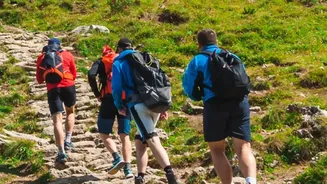
On a narrow trail, knowing when to step aside prevents awkward shuffles and keeps everyone safe. The general rule is that hikers going uphill have the right-of-way. Those descending typically have a wider field of vision and better balance, making it
easier for them to pause. When different types of users meet, the hierarchy is simple: hikers and bikers yield to horses. Horses can be easily startled, so step to the downhill side of the trail, speak calmly to announce your presence, and avoid sudden movements. When passing someone from behind, a friendly 'on your left' is standard practice, giving them time to move to the right.
Pack It In, Pack It Out: The Golden Rule
The core principle of Leave No Trace is to leave the wilderness exactly as you found it. This means all of your garbage must be packed out—no exceptions. This includes items you might think are natural, like apple cores, banana peels, and nutshells. While biodegradable, they are not native to the alpine environment, can take a surprisingly long time to decompose, and can attract wildlife. The same goes for pet waste. Always bag it and carry it out with you. Following this rule helps protect the park's delicate ecosystems and preserves the scenic beauty for the next visitor.
Keep Wildlife Wild: Your Safety and Theirs
Encountering wildlife is a thrilling part of the Rockies experience, but it comes with great responsibility. Parks Canada mandates that you stay at least 100 metres away from bears, cougars, and wolves, and 30 metres away from other large animals like elk, moose, and bighorn sheep. Never, ever feed wild animals. It harms their health, alters their natural behaviour, and can lead to dangerous human-wildlife conflicts. Making noise while you hike—by talking, singing, or calling out—helps prevent surprise encounters, especially in dense brush or near streams. And always carry bear spray, keep it accessible, and know how to use it. It's an essential safety tool, not an optional accessory.
Paws on the Path: Hiking with Dogs
Exploring with a canine companion is a joy, but it requires extra diligence. In Canada's National Parks, dogs must be on a leash and under control at all times. An off-leash dog can stress or provoke wildlife, damage fragile plants, or interfere with other hikers' experiences. Even a friendly dog can be perceived as a threat by a moose or bear. Be sure to check regulations before you go, as some specific trails or backcountry areas may not permit dogs at all. And remember, packing out their waste is a non-negotiable part of being a responsible owner on the trail.
Respect the Trail and Other Hikers
The trails themselves need protection. Always stay on the designated path to prevent erosion and protect fragile alpine vegetation. Cutting switchbacks might seem like a shortcut, but it carves scars into the landscape that can take decades to heal. Likewise, 'take only pictures, leave only footprints' is a crucial mantra. Do not pick wildflowers, collect rocks, or remove any natural objects. Finally, be considerate of others seeking tranquility. Avoid playing music on speakers; let the sounds of nature prevail. Keep conversations at a reasonable volume and give others space to enjoy the peace of the mountains.
Be Prepared: The Ultimate Form of Courtesy
A hiker who is well-prepared is less likely to need assistance, which in turn reduces the burden on fellow hikers and rescue services. Before you leave, check the weather forecast and current trail conditions. Mountain weather can change in an instant. Carry the 'ten essentials', which include extra food and water, extra clothing, a first-aid kit, a flashlight, and navigation tools. Telling someone your plan—where you are going and when you expect to return—is a critical safety step. Being self-sufficient on the trail is the ultimate respect you can show for the wilderness and for everyone who shares it.