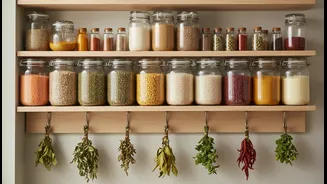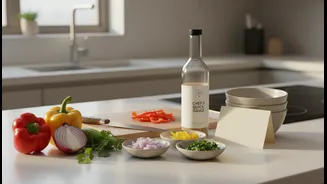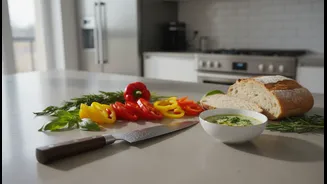




Redefining ‘Real’ Home Cooking
The idea of 'real home cooking' often comes with a picture of someone grinding their own masalas and chopping vegetables for hours. While beautiful, this ideal can be intimidating and impractical for many. The truth is, modern life is demanding. Between
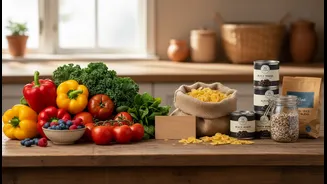
work, commuting, and family, the energy to start a meal from absolute scratch every night is a luxury. The real choice isn't always between a scratch-made meal and a shortcut; it's often between a shortcut-assisted home-cooked meal and ordering a takeaway. Cooking from scratch should mean making real food from real ingredients, not starting with every component in its most labour-intensive form. Using pre-chopped onions or ginger-garlic paste doesn't change the fact that you are the one in control, combining fresh components into a meal for your family. The most important tradition to preserve is the one where dinner actually gets made at home.
The Ultimate Advantage: Saving Time
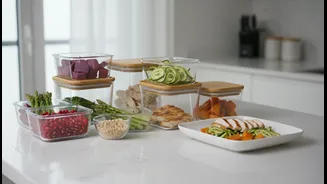
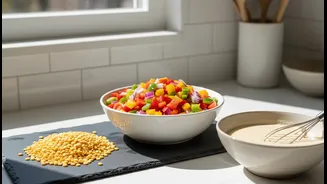
The most significant benefit of using pre-prepped ingredients is the time it saves. Imagine making a dal makhani without having to soak the lentils overnight, or a quick vegetable stir-fry without needing to wash, peel, and chop an assortment of vegetables. In many Indian cities, vendors have sold pre-cut vegetables for decades, understanding that for working people, every minute counts. This convenience can be the deciding factor that makes cooking at home feasible on a busy weeknight. Items like frozen peas, pre-cut carrot and cabbage mixes for fried rice, or a jar of quality ginger-garlic paste drastically reduce preparation time. This allows you to focus on the cooking process itself—the sautéing, the seasoning, the tasting—which is where the real magic happens.
An Unlikely Ally Against Food Waste
It might seem counterintuitive, but buying pre-cut ingredients can sometimes lead to less food waste. When you buy a whole pumpkin or a large bunch of spinach for a recipe that only requires a small amount, the rest can often wilt and spoil in the fridge. Pre-cut and pre-portioned packs allow you to buy only what you need for a specific meal, reducing the chance of leftover produce going bad. Furthermore, a lot of the 'waste'—peels, stems, and ends—is handled at an industrial level where it can often be repurposed more efficiently than in a home kitchen. While the packaging is a concern, being mindful of your consumption patterns can ensure that you are making a choice that reduces waste overall.
A Gateway for Novice Cooks
For someone who is new to the kitchen, the thought of extensive prep work can be a major barrier. The sharp knife, the tear-inducing onion, the fiddly task of peeling garlic—all of these can feel daunting. Pre-prepped ingredients lower this barrier to entry, making cooking more accessible and less intimidating. Using a ready-made dosa batter, for instance, allows a beginner to focus on mastering the art of spreading and flipping the dosa. Similarly, using a pre-made spice paste can help someone understand flavour profiles before they venture into grinding their own. These shortcuts can build culinary confidence, encouraging more people to start cooking and gradually expand their skills.
Making Smart Choices
Not all convenience ingredients are created equal. It's crucial to distinguish between minimally processed helpers and ultra-processed foods. Pre-cut raw vegetables are nutritionally very similar to their whole counterparts, as long as they are fresh. When buying pastes or batters, it’s important to read the label. Opt for brands that use recognisable, whole-food ingredients and avoid those with long lists of preservatives, artificial additives, or high sodium content. A good quality store-bought idli batter can be a nutritious option, but some may contain unwanted bacteria or preservatives. Choosing products from the refrigerated section and checking 'use-by' dates is also key, as cut produce has a shorter shelf life due to more exposed surface area. The goal is convenience without compromising on health.