





An Unofficial Marker of Monsoon
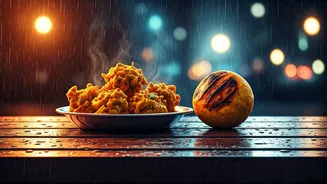
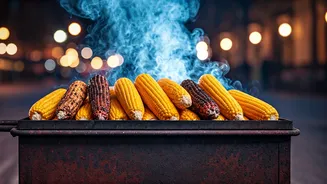
Across India, the sight of a street vendor fanning hot coals under a large, makeshift umbrella is the unofficial signal that the monsoon has truly begun. The humble bhutta, or roasted corn on the cob, is more than just a snack; it’s a multi-sensory experience
deeply woven into the fabric of Indian life. It’s the hiss of the kernels as they char, the rhythmic motion of the vendor’s hand-fan, and the sharp, tangy smell of lemon and masala hitting the hot corn. For millions, this simple, fire-roasted vegetable represents comfort, nostalgia, and the simple joy of finding warmth on a cool, rainy day.
Desi vs. Sweet Corn: A Great Debate
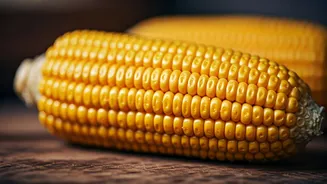
The world of bhutta is divided into two distinct camps. On one side, you have the purists who swear by the traditional desi bhutta. These cobs feature smaller, tougher, and less sweet kernels. Roasting them takes skill, and the result is a chewy, smoky, and deeply satisfying bite. It’s the flavour of nostalgia, reminiscent of childhoods spent waiting for the vendor to pick the perfect cob. On the other side is the American sweet corn, a more recent but incredibly popular addition. Its plump, juicy, and naturally sweet kernels offer a softer texture. While some traditionalists may scoff, the sweet corn bhutta has carved out its own dedicated following, offering a different but equally delicious experience.
The Art of the 'Bhutta-wala'
The magic of bhutta lies not just in the corn but in the hands of the person preparing it—the bhutta-wala. These vendors are masters of their craft. They know exactly how long to roast each cob, turning it expertly over the glowing embers to achieve the perfect balance of char and tenderness. The final flourish is a ritual in itself. A half-cut lemon is dipped into a signature blend of spices—typically salt, red chilli powder, and chaat masala or black salt—and then rubbed vigorously all over the hot cob. This act infuses every kernel with a burst of spicy, tangy, and salty flavour that cuts through the sweetness of the corn. Each vendor has their own secret masala mix, a unique signature that keeps loyal customers coming back year after year.
A Snack for Every Setting
Part of bhutta's enduring appeal is its versatility. It’s the perfect companion for a long drive through the misty ghats during a monsoon road trip. It’s a cherished treat during an evening stroll in a city park, eaten while huddled under a tree as a light drizzle falls. It’s the snack you grab on your way home from work, sheltering under the vendor’s tarpaulin sheet alongside strangers, all united in your shared appreciation. Unlike many other street foods, bhutta isn’t messy. It’s self-contained, easy to eat on the go, and provides a feeling of warmth that is both literal and emotional.
Regional Twists on a Classic
While the classic nimbu-masala bhutta reigns supreme in North India, different regions have their own unique take. In some parts of the country, vendors might offer a spicier blend or add a dash of pepper. In cities like Mumbai, you can find boiled corn kernels mixed with butter, spices, and chopped onions, served in a cup. In other areas, especially in the south, you might find grated coconut added to the spice mix for a completely different flavour profile. These variations showcase the snack's adaptability, but the soul of the experience remains the same: fresh corn, heat, and a burst of flavour that feels like a celebration of the season.