




Beyond the Daily Weather Report
It's easy to confuse weather with climate. Weather is the downpour that floods your street today; climate is the trend that makes those downpours more frequent and intense over decades. For too long, we in India have treated climate change as a distant,
abstract problem for future generations or Western countries to solve. But the future is here. The abnormal is becoming the new normal. Understanding the difference between a hot day and a heating planet is the first step toward navigating the reality we now inhabit. It's no longer an academic exercise; it's a fundamental tool for making sense of our world, from planning a crop cycle to understanding why your electricity bill is soaring during an unprecedented heatwave.
The Unpredictable Indian Monsoon
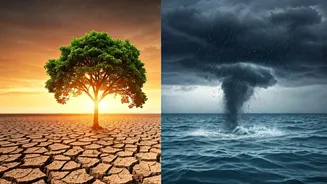
The monsoon is the lifeblood of India, underpinning our agriculture, economy, and culture. But this lifeblood is becoming erratic. Reports from the Indian Meteorological Department (IMD) and various climate research bodies show a worrying trend: the monsoon's behaviour is changing. We see long dry spells punctuated by short, terrifying bursts of extreme rainfall. This pattern is disastrous for farmers who rely on predictable rains. A delayed or weak monsoon can lead to crop failure, driving up the price of essential foods like onions and pulses for everyone. Conversely, a sudden deluge can wash away entire harvests and flood cities, as seen in states like Assam and Kerala. When the monsoon falters, the entire economic engine of the country sputters. Understanding this connection is crucial to grasping why food prices are volatile and why rural distress is a national crisis.
Our Cities Are Turning Into Ovens
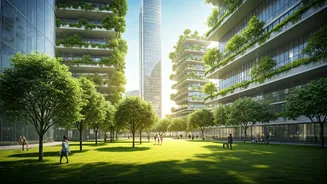
If you live in a major Indian city, you’ve felt it. The summers are not just hot; they are dangerously, relentlessly hot. Cities like Delhi, Mumbai, and Chennai are becoming 'urban heat islands,' where concrete and asphalt absorb and radiate heat, making temperatures several degrees higher than in surrounding rural areas. This isn't just uncomfortable; it's a public health emergency. Heatwaves lead to a spike in heatstroke, dehydration, and cardiovascular stress, disproportionately affecting outdoor labourers, the elderly, and the poor. They also place an immense strain on our infrastructure. Power grids falter under the demand from millions of air conditioners, leading to blackouts when they are needed most. Understanding the science behind urban heat helps us see that this isn't just summer—it's a systemic risk to our health and our cities' functionality.
The Economic Ripple Effect
Climate change is an economic issue disguised as an environmental one. The cost is not some far-off figure in a global report; it's tangible and it's here. When floods damage roads, bridges, and railway lines, taxpayer money is diverted to reconstruction instead of new schools or hospitals. When crop yields fall due to drought, rural incomes plummet, and a migration crisis puts more pressure on already overburdened cities. Industries like tourism, fishing, and insurance are all facing new, unpredictable risks. The World Bank estimates that climate change could cost India 2.8% of its GDP and depress the living standards of nearly half the country's population by 2050. This is not a niche concern. It is a direct threat to India's growth story and affects every household's financial stability.
Knowledge Is Our First Line of Defence
It’s easy to feel powerless in the face of such a colossal problem. But ignorance is not a refuge; it’s a liability. Understanding the basics of climate change empowers us. It enables us to see through greenwashing and hold leaders and corporations accountable. It informs our choices—not just as consumers, but as citizens who can demand better urban planning, sustainable water management, and a faster transition to clean energy. Climate literacy allows us to support policies that are not just environmentally sound but also economically prudent. It turns panic into constructive pressure and anxiety into agency. The fight against climate change won't be won by a few experts but by a population that understands the stakes.