



India's Widespread Vitamin D Problem
Studies have consistently shown that between 70% and 100% of the Indian population across all age groups and regions may be deficient in Vitamin D. This issue affects everyone from urban professionals to rural communities, and even young, healthy adults.
But why? Despite plentiful sunlight, modern lifestyles often keep us indoors for most of the day. When we do go out, factors like atmospheric pollution, clothing that covers most of the skin, and darker skin pigmentation (which naturally reduces Vitamin D synthesis) mean we don't produce enough. This widespread deficiency has been described as a silent epidemic with significant health implications.
Why This 'Sunshine Vitamin' Matters
Vitamin D is most famous for its role in helping the body absorb calcium, which is essential for strong bones and teeth. A deficiency can lead to conditions like rickets in children and osteoporosis in adults, increasing the risk of fractures. But its job doesn't end there. Vitamin D also plays a critical role in supporting a healthy immune system, muscle function, and even mood regulation. Given its wide-ranging impact, ensuring adequate levels is about more than just bone health; it's about overall well-being.
Natural Food Sources: The Usual Suspects
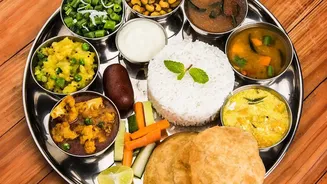
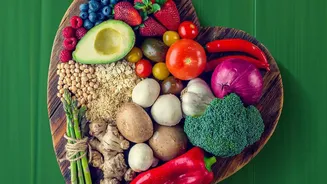
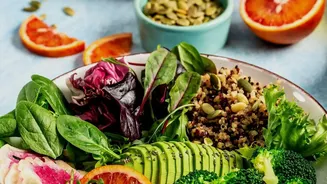
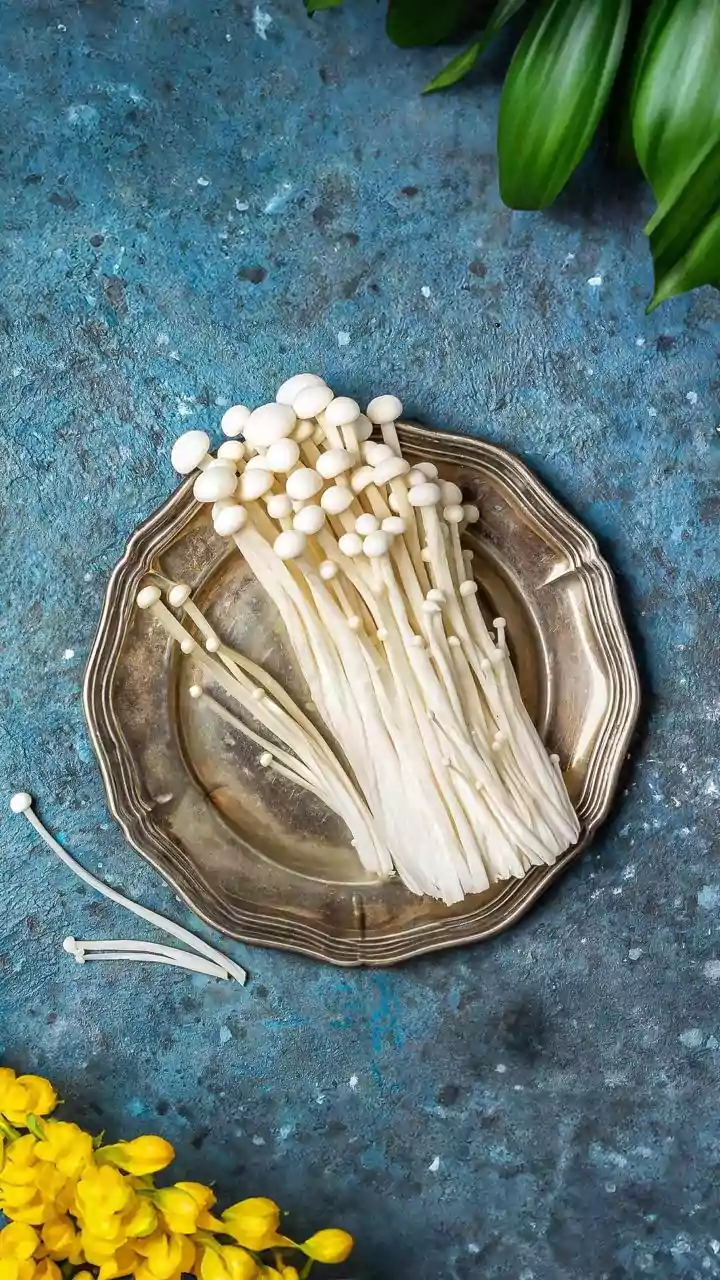
While sunlight is the primary source, some foods naturally contain Vitamin D. For non-vegetarians, fatty fish are the richest sources. Varieties like salmon, mackerel (bangda), and sardines (mathi) are excellent choices. Egg yolks are another accessible and affordable option; remember, the vitamin D is in the yolk, not the white. For vegetarians, the options are far more limited. Mushrooms, especially those exposed to UV light or sunlight, are one of the few plant-based sources. However, most common vegetables, dals, and rotis that form the staple Indian diet contain very little to no Vitamin D.
The Rise of Fortified Foods
This is where food fortification comes in. Fortification is the process of adding essential micronutrients, like vitamins and minerals, to everyday foods to improve their nutritional value. In India, the Food Safety and Standards Authority of India (FSSAI) has set guidelines for fortifying staples like milk, edible oil, and wheat flour. When you see a product with the blue '+F' logo, it signifies that the food has been fortified according to these national standards. This strategy is crucial for bridging the nutritional gap in the population, especially for nutrients that are not abundant in a typical diet.
Finding Vitamin D in Your Breakfast Bowl
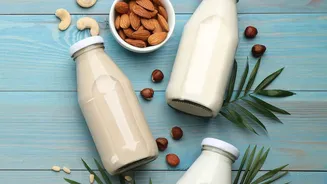
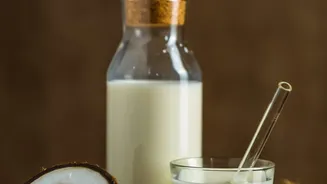
Breakfast is an excellent opportunity to boost your Vitamin D intake through fortified products. Many brands of breakfast cereals, milk, and even some fruit juices are now fortified with Vitamin D. Checking the nutritional label is key. A glass of fortified milk or a bowl of fortified cereal can contribute a significant portion of your daily requirement. For those who prefer plant-based options, fortified soy or almond milk are great alternatives. Even fortified curd (yoghurt) is becoming more common, offering a convenient way to get both probiotics and Vitamin D.
How to Be a Smart Shopper
Don't assume a product contains added vitamins. Always read the nutrition information panel on the packaging. Look for 'Vitamin D' in the list of micronutrients and check the amount per serving. The FSSAI recommends that fortified foods should aim to provide 15-30% of the Recommended Dietary Allowance (RDA) for an adult. The RDA for most adults in India is around 600 IU (International Units) per day. So, a serving that offers 90-180 IU is making a solid contribution. Look for the '+F' logo on staples like milk and oil, as it’s a quick indicator of fortification.