



The Undeniable Pull of Convenience
There's no denying the 'convenience revolution' is real and rapidly expanding. The Indian ready-to-eat (RTE) market is projected to grow significantly, potentially reaching over USD 3 billion by 2032. This surge is powered by undeniable factors: rapid urbanization,
more women entering the workforce, rising disposable incomes, and the time crunch that defines modern life. For busy professionals, single-person households, and students, the appeal of a meal that's ready in minutes is powerful. From frozen parathas to pre-packaged biryanis, these options offer a quick fix for hunger without the effort of traditional cooking. The market is booming because it addresses a genuine need for time-saving solutions in our fast-paced lives.
The Unbreakable Bond of 'Ghar ka Khana'
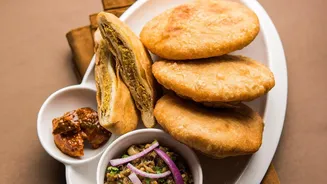
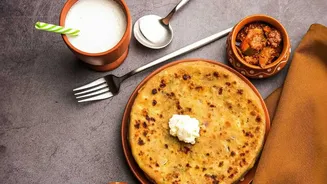
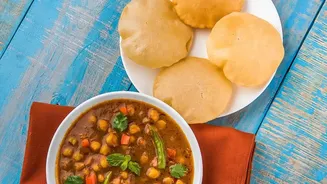
Despite the market growth, convenience food faces a formidable opponent: the deep-seated cultural and emotional significance of 'ghar ka khana' or home-cooked food. For many Indians, food is not just sustenance; it’s an expression of love, identity, and heritage. Research shows an overwhelming majority of Indians, around 85%, would still choose a freshly prepared meal over a packaged one. This preference is rooted in nostalgia—the memory of a mother's or grandmother's cooking, which marketers have noted evokes feelings of comfort, authenticity, and trust. This emotional connection is a powerful force that a factory-sealed packet struggles to replicate. The act of eating home-cooked food is a ritual, a comfort that connects people to their families and their past.
Health, Trust, and Knowing Your Ingredients
A growing awareness around health and wellness is another major factor fortifying the place of traditional cooking. Home cooking offers complete control over ingredients—the type of oil, the amount of salt, and the freshness of the produce. In contrast, packaged foods are often viewed with suspicion regarding preservatives, additives, and nutritional value. As consumers become more health-conscious, the demand for natural, organic, and preservative-free options rises. Traditional Indian diets, rich in vegetables, whole grains, and spices with known healing properties like turmeric and ginger, are seen as inherently healthier. This perception of home food as safer and more nutritious is a significant barrier for the convenience market to overcome.
When Convenience Caters to Tradition
Perhaps the most telling sign of traditional flavours' resilience is how the convenience industry itself is adapting. Instead of trying to replace traditional tastes, smart brands are finding ways to complement them. The market for ready-to-cook (RTC) items, such as dosa batters, spice pastes, and curry mixes, is surging. These products don't replace the cook; they assist them, cutting down prep time while keeping the authentic flavour profile intact. This hybrid approach allows consumers to feel involved in the cooking process and maintain a sense of homemade authenticity. Brands are also increasingly launching RTE meals that feature regional and traditional cuisines, recognizing that to win over the Indian palate, they must offer familiar tastes.
The Digital Revival of Ancestral Recipes
Far from being forgotten, traditional recipes are experiencing a vibrant renaissance online. Social media platforms like Instagram and YouTube are filled with food influencers and home chefs who are demystifying complex, regional dishes for a new generation. Creators share step-by-step videos for everything from Mangalorean Kori Gassi to Maharashtrian Puran Poli, making heritage cooking accessible and appealing. These digital gurus are not just sharing recipes; they are building communities around a shared love for authentic Indian food, ensuring that these culinary traditions are not just surviving, but are being actively practiced, celebrated, and passed on.