


The High Cost of Lithium Dependence
From smartphones to electric vehicles, lithium-ion batteries power modern life. For India, a nation rapidly electrifying its transport and energy grid, this has meant a staggering import bill. In the first quarter of 2026 alone, India imported over a billion
dollars worth of lithium and lithium-ion batteries, with a staggering 84% coming from China. This isn't just an economic drain; it's a significant strategic vulnerability. This dependence on a single country for the most critical component of the green energy transition puts India's ambitions at risk, tying its energy security to geopolitical currents it cannot control. The problem isn't just about finished batteries. China dominates the entire mid-stream supply chain, refining the vast majority of the world's lithium. Without domestic sources and refining capacity, India has been a price-taker, forced to import cells and assemble them into packs.
Enter Sodium-Ion: The Abundant Challenger
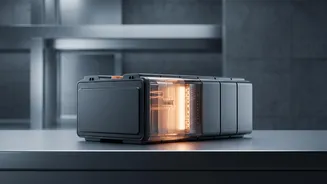
This is where sodium-ion batteries come in. Based on the same principle of shuttling ions back and forth, they replace scarce lithium with one of the most abundant and cheapest elements on Earth: sodium. Available in vast quantities from sea salt and soda ash, sodium offers India a pathway to raw material self-sufficiency. This isn't just a distant laboratory dream. Recent breakthroughs have pushed sodium-ion technology to the brink of mass commercialisation. Companies globally, and increasingly in India, are proving that sodium-ion batteries are a viable, scalable alternative. The key advantages are compelling: lower cost, enhanced safety due to a lower risk of thermal runaway, and better performance in extreme temperatures. Crucially, they can also be transported at zero charge, reducing logistical costs and risks.
Indian Innovation and a New Supply Chain
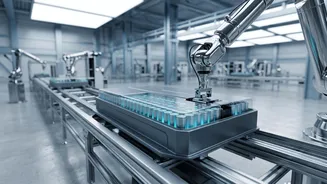
Indian companies and research institutions are seizing this opportunity. Pune-based KPIT Technologies has developed its own sodium-ion battery technology, which it is now commercialising with a partner. Their solution boasts an impressive lifespan of 3,000 to 6,000 cycles and faster charging capabilities. Reliance Industries, through its acquisition of UK-based pioneer Faradion, has also made a major bet on sodium-ion, planning to use the technology in its giga-factory in Jamnagar. These initiatives are supported by a burgeoning local ecosystem. Researchers are creating novel anode materials from agricultural waste, while India's strong chemical industry is well-positioned to produce the necessary electrolytes and other components, creating a domestic value chain from the ground up. According to India's Renewable Energy Secretary, the technology is maturing rapidly and could move from pilot projects to commercial production within two to three years.
The Right Battery for the Right Job
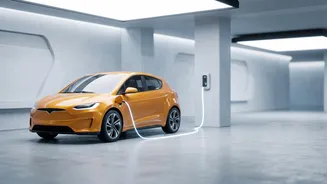
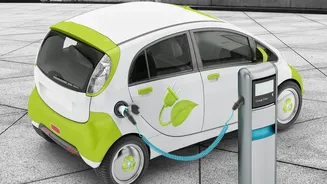
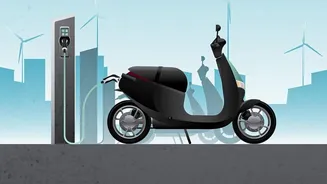
Sodium-ion batteries are not a perfect, one-for-one replacement for lithium-ion just yet. Their primary drawback is lower energy density, meaning they are bulkier and heavier for the same amount of power. This makes them less ideal for premium, long-range passenger electric vehicles. However, that limitation defines their strategic strength. They are an excellent fit for applications where weight and space are less critical, but cost and safety are paramount. This includes stationary energy storage systems to stabilise the power grid, a massive market for a country scaling up solar and wind power. They are also perfectly suited for India’s burgeoning electric two- and three-wheeler market, as well as commercial vehicles and public buses where predictable routes make range less of a concern. The strategy is to complement, not replace, lithium-ion, securing key sectors with a cheaper, homegrown technology.