





The Economics of a Blockbuster
The financial model of Bollywood, especially for its big-budget spectacles, is fundamentally built on theatrical performance. While streaming rights provide a valuable revenue stream, they rarely match the sheer earning potential of a successful box office
run. Producers often recover a significant portion of their budget from satellite, music, and digital rights even before release, but it's the theatrical collections that determine a film's status as a true blockbuster and generate substantial profits. Gross box office collections hit an all-time high of ₹13,000 crore in 2025, demonstrating that when a film captures the public's imagination, audiences will turn up in droves. This initial theatrical run creates immense brand value, which in turn boosts a film's worth when it eventually lands on an OTT platform.
More Than a Movie, a Cultural Event
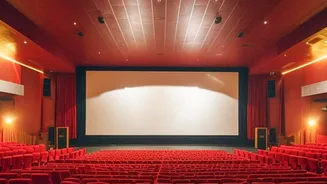
Going to the cinema in India is rarely a solitary act; it is a cherished social ritual. It's a family outing, a weekend plan with friends, or a classic date night. This communal experience of laughing, crying, and cheering with a room full of strangers is something streaming cannot replicate. Cinema halls are cultural spaces where collective emotions are shared, transforming a simple viewing into a memorable event. This shared spectacle is a core part of our DNA and entertainment culture. Films become part of the national conversation, influencing everything from fashion to language, precisely because they are first experienced as a public, communal phenomenon.
Forging Stars on the Silver Screen
The larger-than-life aura of a Bollywood superstar is intrinsically linked to the 70mm screen. The grand canvas of the cinema hall is where stars are born and their legends are cemented. While streaming platforms have given rise to a new generation of talented actors, the scale of stardom created by a theatrical blockbuster is different. The hype, the fan frenzy, the first-day-first-show excitement, and the sheer physical presence on a giant screen contribute to a level of celebrity that an algorithm-driven homepage struggles to match. Theatrical releases generate a powerful word-of-mouth buzz and a pop-culture footprint that ensures a film and its stars are talked about for weeks, not just forgotten after a weekend binge.
The Director's Intended Vision
Filmmakers craft their work for a specific environment. The meticulous sound design, the sweeping cinematography, and the carefully composed frames of a spectacle film are all intended to be experienced in a dark, distraction-free auditorium with a powerful sound system. This controlled setting allows for total immersion, enabling the audience to fully appreciate the artistic and technical aspects of the film. While home theatres have improved, they cannot guarantee the uniform, high-quality experience that a cinema hall is designed to provide. Watching a magnum opus on a laptop or a phone is simply not the same as being enveloped by its sights and sounds on the big screen.
A Future of Coexistence
The debate shouldn't be framed as an outright battle between cinemas and streaming. The future is one of coexistence, where each platform plays to its strengths. The industry is already seeing a return to a theatre-first strategy, with films maintaining an exclusive theatrical window of around eight weeks before moving to OTT. This hybrid model allows a film to maximize its box office revenue and build cultural prestige before reaching a wider audience at home. Theatrical releases can act as the premier launch event, while streaming ensures a long and accessible afterlife for the content. The two formats can complement each other, serving different audience needs and film types.