





Beyond the Usual Suspects
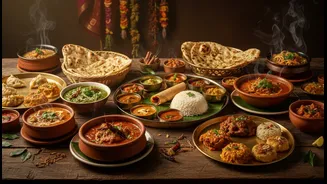
The classic pairing of pakoras or bhajiyas with a steaming cup of masala chai is more than just a snack; it's a cultural ritual, a comforting constant against the grey skies. From Mumbai's vada pav to Delhi's samosas and North India's crispy ram ladoos,
these traditional bites are deeply woven into the fabric of the season. They represent a collective craving for warmth and indulgence when the weather turns. But while these classics will always hold a special place in our hearts and on our plates, a new wave of culinary creativity is sweeping across the country. Chefs and restaurateurs are looking beyond the deep fryer, reimagining what a rainy-day menu can be. The craving remains the same, but the answers are becoming far more interesting.
A Global Comfort Food Downpour
One of the most significant upgrades to the rainy menu is the infusion of global comfort foods. Restaurants are tapping into an evolved palate that seeks novel experiences even in its comfort food. Menus now feature steaming, soulful bowls of Japanese ramen, which are becoming a monsoon favourite for their rich broth and hearty ingredients. You'll also find cheesy, indulgent mozzarella sticks, gourmet cheese fondues, and hearty lasagna, offering a different kind of warmth. Even classic street food is getting an international twist, with offerings like Thecha Paneer Pizza, Korean Fried Chicken Burgers, and Bruschetta à la Dabeli appearing on special monsoon menus. These dishes provide the satisfying, soul-hugging quality we crave, but with a surprising and delightful global spin.
Rediscovering Regional Roots
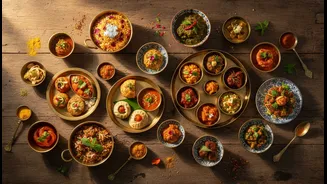
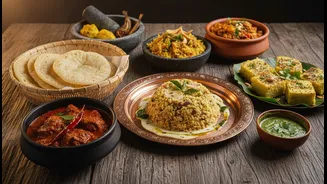
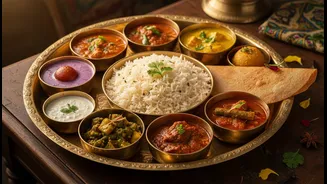
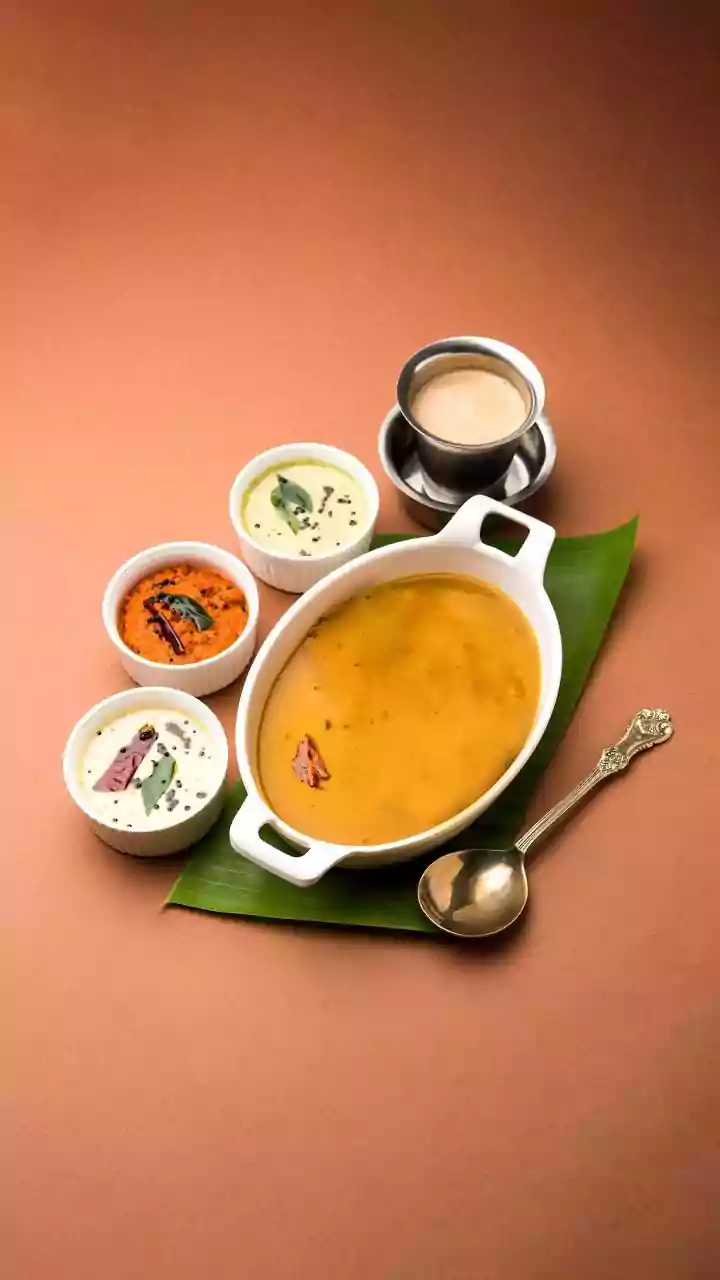
The cultural upgrade isn't just about looking outwards; it's also about digging deeper into India's own diverse culinary landscape. Chefs are moving past pan-Indian cliches and exploring hyper-regional monsoon specialties. In Kerala, you might find Parippu Vadas, a nutritious and crunchy lentil fritter, or dishes featuring steamed ingredients like idiyappam. In Gujarat, the focus is on light, steamed snacks like methi muthia and Surati locho. The Northeast offers the warmth of thukpa, while dishes from Rajasthan like Ghewar, a porous, disc-shaped sweet, find popularity during this season. This renewed focus on regional cuisines brings a wealth of new textures and flavours to the monsoon table, celebrating local ingredients and time-honoured recipes that are naturally suited to the season.
The Health-Conscious Shift
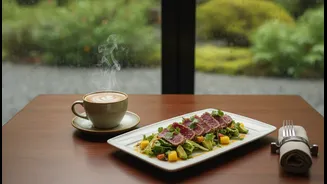
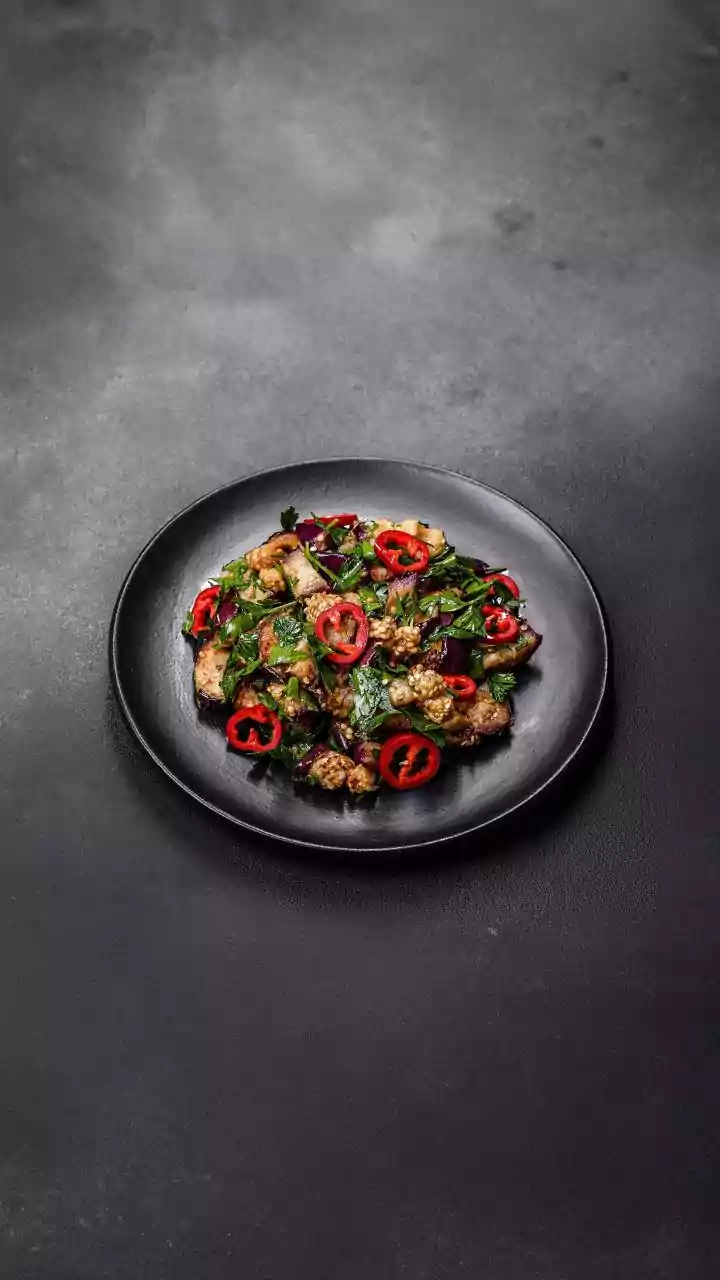
While indulgence is a key part of the monsoon experience, there's a growing awareness around health and hygiene, especially during a season when digestion can be sluggish. This has led to a rise in menus that offer guilt-free indulgence. Chefs are championing cooking methods like grilling, steaming, and roasting to deliver flavour without the excess oil. Think Tandoori Paneer Tikka, grilled mushroom skewers, and steamed corn chaat. Even the beloved pakora is getting a makeover, with many restaurants and home cooks opting for air-fried or baked versions. Snacks like roasted makhana (fox nuts), steamed dhokla, and various kinds of sundal (tempered legumes) are becoming popular for being both light and satisfying, proving that comfort doesn't have to come at the cost of well-being.
A Revolution in a Cup
The humble chai is also getting a sophisticated upgrade. While classic adrak chai remains king, cafes and bars are curating special monsoon beverage menus. You can now find artisanal hot chocolates, spiced wellness brews with turmeric, ginger, and lemongrass, and even warm, spiced cocktails like a Masala Toddy. These drinks are designed to do more than just provide warmth; they aim to boost immunity and offer complex flavour profiles that complement the season. From filter coffee to saffron-cardamom blends, the beverage menu is now as thoughtful and curated as the food, completing the modern monsoon dining experience.