




Gajar ka Halwa: The Quintessential Winter Dessert
No Indian winter is complete without the aroma of Gajar ka Halwa simmering on the stove. This beloved dessert, made from grated red carrots that are only available during this season, is a rich, decadent treat. The carrots, which are at their sweetest
and most nutritious in winter, are slow-cooked in milk and ghee until they form a luscious, pudding-like consistency. The magic of this dish lies in its simplicity and richness. It breaks the monotony not just as a dessert but as an event in itself—a warm, comforting bowl full of nuts and the goodness of carrots offers a welcome change from everyday sweets. Its ingredients are packed with Vitamin A and antioxidants, helping to boost immunity and skin health during the dry winter months.
Sarson ka Saag: The Soul of a Punjabi Winter
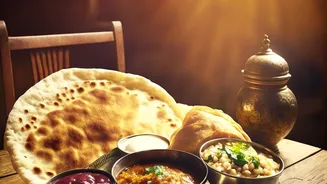
This iconic dish from Punjab is a true celebration of the winter harvest. Sarson ka Saag is a creamy, earthy preparation made from mustard greens (sarson), often blended with other leafy greens like spinach (palak) and bathua (chenopodium). The dish is traditionally slow-cooked for hours, which allows the robust, slightly bitter flavours of the greens to mellow into a deeply satisfying and complex taste. It’s a world away from the quick stir-fries and standard curries of the year. Served with Makki ki Roti (a flatbread made from maize flour) and a generous dollop of white butter, this meal is a wholesome, rustic experience. Nutritionally, mustard greens are a powerhouse, providing vitamins, iron, and dietary fibre, while also having a warming effect on the body according to Ayurveda.
Undhiyu: Gujarat’s Winter Vegetable Medley
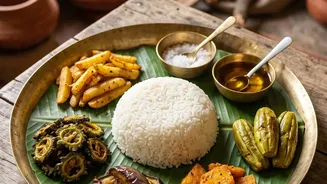
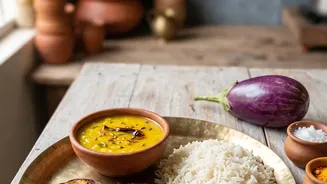
Undhiyu is a complex, layered one-pot dish that is the pride of Gujarati winter cuisine. Its name comes from the Gujarati word 'undhu', meaning 'upside down', which refers to the traditional method of cooking it in an earthen pot buried underground. This dish is a masterful blend of seasonal winter vegetables like surti papdi (hyacinth beans), purple yam, sweet potatoes, and baby brinjals. These are cooked with fenugreek dumplings (muthiya) in a fresh green masala of coconut, peanuts, and spices. The taste is a unique mix of sweet, spicy, and tangy notes that provides a delightful break from routine sabzis. Making Undhiyu is a communal affair, often prepared for festivals like Uttarayan, making it a special-occasion meal that truly stands out.
Gond ke Laddoo: The Energy-Boosting Powerhouse
These laddoos are less of a sweet treat and more of a traditional winter superfood. The star ingredient is 'gond' (edible gum), a resin from the acacia tree. When fried in ghee, gond puffs up into crispy, delicate crystals. These are then mixed with whole wheat flour, ghee, jaggery, and a generous amount of nuts and seeds. The result is a dense, crunchy, and incredibly nourishing laddoo. Known for its 'garam taseer' or warming properties, Gond ke Laddoo is believed to generate body heat, boost immunity, and strengthen bones and joints, which can feel stiff in the cold. They provide a burst of sustained energy, making them a perfect, healthy snack to combat winter sluggishness.
Nihari: The Slow-Cooked Morning Stew
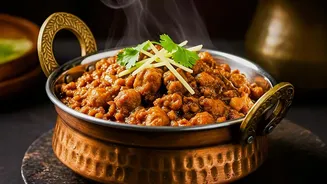
Nihari is a rich, slow-cooked meat stew that is a flavour-packed departure from everyday meals. The word 'Nihar' means 'morning', as it was traditionally eaten by Mughal nobles and workmen after dawn prayers to provide energy for the entire day, especially during cold winters. The dish involves simmering beef or lamb shank for several hours (often overnight) with a complex blend of spices until the meat is fall-off-the-bone tender. The gravy is thickened with whole wheat flour (atta) to create a glossy, aromatic, and deeply satisfying stew. Garnished with fresh ginger, green chillies, and a squeeze of lime, Nihari offers a warming, invigorating experience that is perfect for a lazy winter weekend brunch.
Panjiri: The Loose and Crumbly Winter Tonic
Often mistaken for a simple sweet, Panjiri is a highly nutritious, loose, and crumbly mixture traditionally made in North Indian homes during winter. It consists of whole wheat flour roasted in ghee with a hearty mix of nuts, seeds, and edible gum (gond). Unlike laddoos, it's not bound into balls but eaten by the spoonful. Panjiri is revered for its ability to generate heat in the body, boost immunity, and provide the energy needed to fight off winter lethargy. It’s particularly recommended for new mothers to aid recovery and for anyone needing a dose of strength. Its nutty, aromatic flavour and satisfyingly coarse texture make it a unique and healthful alternative to conventional desserts.
Pinni: The Rich Punjabi Winter Sweet
Similar to Panjiri but shaped into dense, round balls, Pinni is another beloved Punjabi winter delicacy. Made with whole wheat flour, desi ghee, jaggery or sugar, and loaded with nuts like almonds and cashews, Pinni is a rich and nourishing treat. The slow roasting of the flour in ghee gives it a characteristic nutty aroma and deep flavour. Traditionally consumed for warmth and sustained energy, each bite is a dense package of healthy fats and nutrients. Like Gond ke Laddoo, Pinni is known to keep the body warm, boost stamina, and strengthen the immune system against seasonal colds. Its long shelf life means a batch made at the start of winter can be enjoyed for weeks, offering a quick and satisfying bite whenever a craving strikes.