







More Than Muscle
For decades, the weight room was often seen as a male-dominated space, with many women feeling that cardio was their designated zone. This is rapidly changing. Younger women are increasingly seeking out barbells and dumbbells, not just for aesthetics,
but for a holistic sense of power and well-being. This shift is driven by a deeper understanding of what strength training offers: it's not about getting bulky, a common myth, but about becoming more capable, resilient, and healthy from the inside out. Social media has played a huge role, with female powerlifters and fitness influencers showcasing their strength and inspiring a new generation to pick up heavy things. This visibility has helped dismantle outdated stereotypes and has framed strength as a source of empowerment.
The Metabolic Advantage
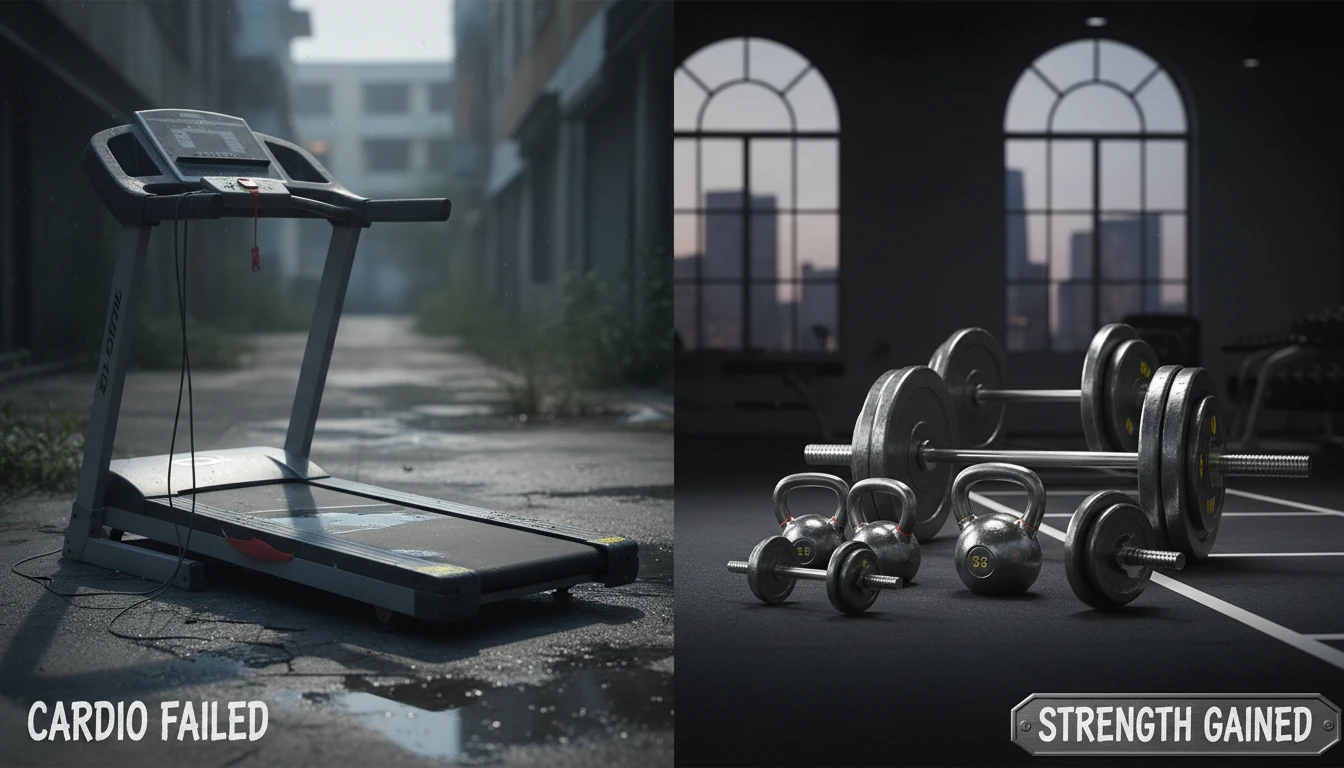
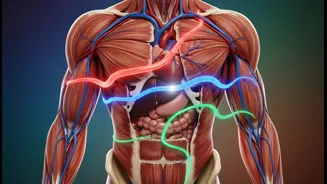
One of the most significant draws of heavy resistance training is its powerful effect on metabolism. Unlike cardio, which primarily burns calories during the activity, strength training builds lean muscle mass. This is metabolically active tissue, meaning it burns more calories at rest. This elevation of your resting metabolic rate helps with long-term weight management and body composition. Furthermore, there is the “afterburn effect,” where your metabolism stays elevated for hours after a workout as your body repairs muscle tissue. Beyond calorie burn, heavy lifting dramatically improves insulin sensitivity, making your body more efficient at managing blood sugar—a key factor in preventing metabolic syndrome and type 2 diabetes. It also has a positive impact on hormone balance and can improve cholesterol profiles by lowering 'bad' LDL and increasing 'good' HDL.
Building Bonds and Bone Density
While the metabolic benefits are scientifically compelling, the community aspect is often what keeps women coming back. Lifting heavy is challenging, and doing it in a supportive environment creates powerful bonds. Many women find a unique sense of camaraderie in strength training, whether in small group classes or a larger gym community. This collective of women learning new skills in a space that can sometimes feel intimidating fosters confidence and accountability. This social support is crucial, transforming a solitary workout into a shared journey of progress. Beyond the social aspect, strength training offers a critical health benefit for women: increased bone density. After age 30, bone mass naturally declines, a process that accelerates post-menopause. Weight-bearing exercises like squats and deadlifts place stress on the bones, signaling them to become stronger and denser, which is vital for preventing osteoporosis.
The Mental Reps
The psychological benefits are just as profound as the physical ones. The focus required to lift a heavy weight, the discipline to follow a program, and the resilience to push through a tough set all build mental fortitude. Successfully lifting heavier weights or mastering a new exercise provides a tangible sense of accomplishment that boosts self-esteem and self-efficacy—the belief in your own ability to succeed. This newfound confidence often extends beyond the gym, empowering women in other areas of their lives. Furthermore, regular strength training is a proven tool for managing mental health. It can reduce symptoms of anxiety and depression by stimulating the release of endorphins, serotonin, and dopamine, which help regulate mood and reduce stress.