




The Protein Obsession
Walk into any gym or scroll through a fitness influencer’s feed, and you’ll be flooded with messages about protein. The market is dominated by whey, casein, and plant-based protein powders, often imported and marketed as essential for muscle repair, weight
loss, and overall fitness. These supplements promise a quick, convenient, and concentrated dose of protein. While they can be effective for elite athletes or those with specific dietary needs, they have become a default choice for many, overshadowing the nutrient-dense foods that have powered generations of Indians.
Meet the Desi Powerhouses
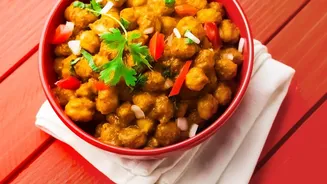
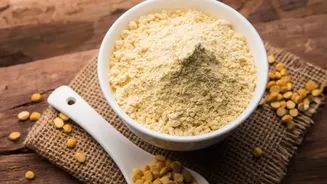
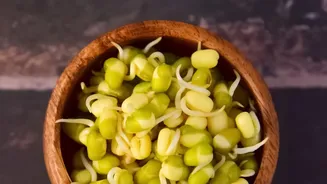
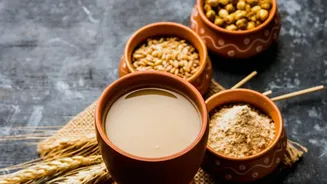
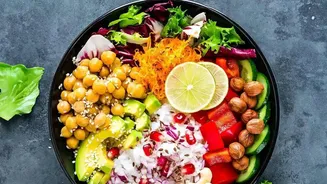
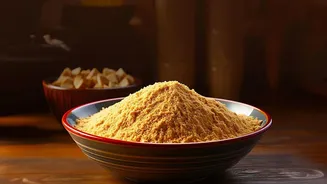
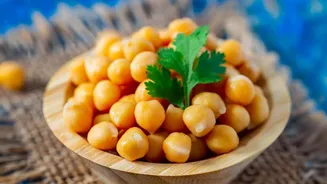
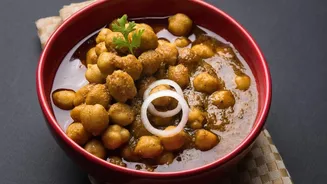
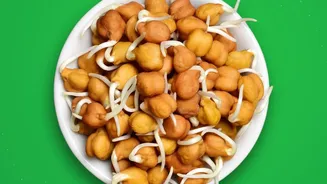
Enter sattu and sprouted chana—two humble heroes of the Indian diet. Sattu, a flour made from roasted Bengal gram (chana), has been a staple in regions like Bihar and Uttar Pradesh for centuries. Known for its cooling properties and sustaining energy, it's traditionally consumed as a simple sharbat or used in various dishes. Sprouted chana, or chickpeas that have been allowed to germinate, are a living food bursting with enhanced nutrition. Sprouting not only increases protein bioavailability but also makes the nutrients easier for our bodies to absorb. These aren't just foods; they are a part of our culinary heritage, packed with benefits we are only now beginning to re-appreciate.
Nutritional Showdown: Whole Foods vs. Powders
Let’s break down the numbers. A typical scoop of whey protein isolate (around 30g) delivers about 25 grams of protein. In comparison, 100 grams of sattu contains approximately 20-26 grams of protein. While that might seem like less on a gram-for-gram basis, sattu brings much more to the table. It is loaded with dietary fibre (around 15-18g per 100g), iron, magnesium, and calcium—nutrients that are often stripped away from processed powders. Whey protein, on the other hand, typically contains negligible fibre. Similarly, 100 grams of sprouted chana offers a solid dose of protein, with estimates ranging from 9g to 22g, along with significant fibre, which aids slower digestion and sustained energy release. While whey is a 'complete' protein with all essential amino acids, sattu made from chana is also a high-quality protein source that can be made complete when paired with grains.
More Than Just Protein
The biggest advantage of traditional foods like sattu and sprouted chana is their holistic nutritional profile. They are whole foods, not isolates. The high fibre content promotes excellent gut health, aids digestion, and keeps you feeling full for longer, which can help with weight management. Sattu is also known for its cooling properties, making it an ideal summer drink that hydrates and replenishes electrolytes naturally. Protein powders, particularly lower-quality ones, can sometimes cause digestive issues like bloating and may contain artificial sweeteners, fillers, and even contaminants like heavy metals from industrial processing. Sattu and chana are minimally processed, offering clean, natural nourishment without unwanted additives.
The Unbeatable Cost Advantage
Perhaps the most compelling argument for many is the price. Imported protein powders are expensive, often costing thousands of rupees for a single tub. Sattu and chana, on the other hand, are incredibly affordable and accessible to everyone across India. When you compare the cost per gram of protein, these traditional options win by a huge margin. This makes a high-protein diet sustainable and achievable without straining your budget. You are not just paying for protein; you are investing in a nutrient-dense food that supports your overall health in a cost-effective way.