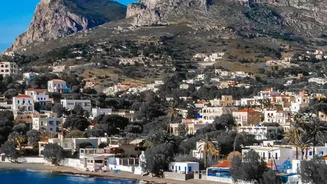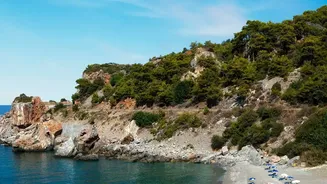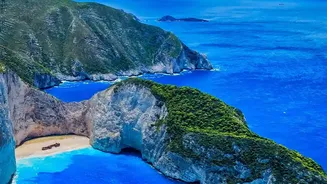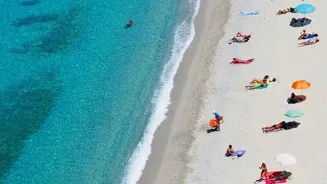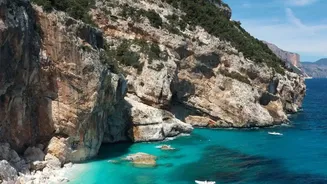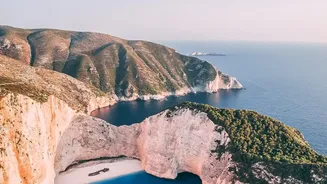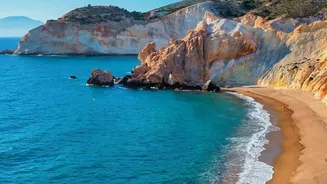





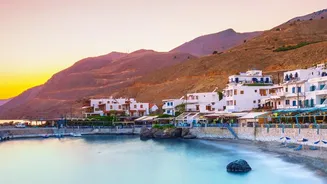
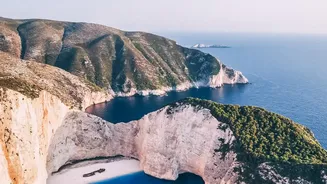
The classic image of a Greek beach is one of serene simplicity: turquoise water, soft sand, and the dappled shade of a tree. Yet, a battle is underway for the soul of the shoreline, pitting this natural ideal against rows of pricey umbrellas.
The Allure of the Authentic Shoreline
For generations,
the Greek summer experience has been defined by a primal connection to the sea. It's a vision of simple joys: finding a quiet spot, laying down a towel, and feeling the sun on your skin, with the cool, feathery leaves of a tamarisk tree offering natural respite. These salt-tolerant trees, known locally as 'almyriki', are an unofficial symbol of the Greek coast, their gnarled trunks and wispy branches dotting countless beaches. They provide a unique kind of shade—one that breathes, moves with the wind, and connects you to the landscape. This is the peaceful, democratic ideal of the beach that is enshrined in the Greek constitution: that all shorelines are public and access must remain free for everyone.
The Rise of the Umbrella Empire
In recent decades, that ideal has been increasingly eroded. On many of Greece's most popular islands, the tranquil coastline has been transformed into a commercial enterprise. Vast sections of sand are now occupied by dense grids of sunbeds and umbrellas, leased out by hotels, bars, and private businesses. These operations often expand far beyond their legally permitted zones, leaving little to no free space for the public to simply lay a towel. For locals and tourists alike, the experience has changed. What was once a free and spontaneous joy now comes with a price tag, with some businesses charging over €100 for a set of 'VIP' loungers for the day. This aggressive commercialization has not only made beaches feel crowded and exclusive but has also sparked frustration among those who feel they are being pushed out of their own public spaces.
The ‘Towel Movement’ Reclaims the Sand
This frustration has boiled over into a powerful grassroots movement. Dubbed the 'Towel Movement', it began on the island of Paros when citizens decided to take a stand against the illegal occupation of their beaches. Armed with banners and their own towels, they staged protests, marching on the sand to demand that businesses respect the law and that public space be returned to the public. The movement quickly spread via social media to other islands like Naxos, Crete, and Rhodes, and across the mainland. It struck a chord with thousands of Greeks who felt that the very essence of their summer culture was under threat. The protests highlighted a system where concession rules were often ignored and enforcement was lax, with some businesses simply replacing their sunbeds as soon as inspectors left.
Why Natural Shade Is Simply Better
The 'Towel Movement' is about more than just legal rights; it's a statement about quality of life. Natural shade from trees like pines and tamarisks is demonstrably superior to that of a synthetic umbrella. Unlike a static umbrella that traps heat, the foliage of a tree allows air to circulate, creating a cooler and more comfortable microclimate. This dappled, moving shade feels more refreshing and is part of a living ecosystem. Environmentally, these trees help stabilize the sand and provide a habitat for wildlife. For the beachgoer, they offer an experience that is authentic, free, and deeply connected to the natural beauty of the Greek landscape. Choosing the shade of a tree over a paid umbrella becomes a small act of resistance against over-tourism and a vote for a more sustainable and equitable way of enjoying the coast.
A New Chapter for Greek Beaches
In response to public pressure, Greek authorities have taken action. New laws were introduced to reinforce public access, setting strict limits on how much of a beach can be leased (no more than 50%) and requiring a clear, four-meter-wide strip of sand be kept free along the shoreline. The government also designated nearly 200 'untrodden' beaches where all commercial activity, including sunbeds and umbrellas, is completely banned to preserve their natural state. While enforcement remains a challenge, with a citizen-reporting app called MyCoast facing some criticism for being ineffective, the tide is beginning to turn. The conversation has shifted, empowering locals and travelers to advocate for the kind of peaceful, natural beach experience that has long defined Greece.