





The Monsoon's Gradual Retreat
First, it’s important to understand that the monsoon doesn't just switch off. The withdrawal is a gradual process that can take weeks, starting in the northwest around early September and slowly retreating southeast across the country. This staggered
withdrawal means that while rainfall becomes less frequent and intense, the atmosphere doesn't dry out overnight. Vast amounts of moisture remain in the air and soil, a leftover legacy from months of rain. This period, often called 'September heat' or the 'second summer', is marked not by a lack of rain, but by a change in its pattern, setting the stage for a different kind of heat.
The Humidity Trap
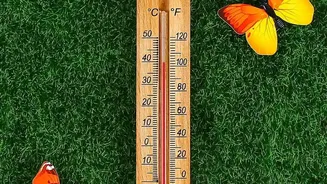
The single biggest culprit behind this post-monsoon misery is humidity. The air is still saturated with moisture from the preceding wet months. Your body’s primary cooling mechanism is sweating; as sweat evaporates from your skin, it takes heat with it. But when the air is already full of water vapour, evaporation slows down dramatically. Your sweat clings to your skin instead of disappearing, making you feel sticky and preventing your body from cooling itself effectively. This is why the 'feels like' temperature, or heat index, can be significantly higher than the actual air temperature shown on a thermometer. An 88°F (31°C) day can feel like it's well over 100°F (38°C) when humidity is high.
Clearer Skies and Direct Sun
During the peak of the monsoon, persistent cloud cover acts as a natural sunblock, shielding the ground from the sun’s direct rays and keeping daytime temperatures in check. As the monsoon retreats, these clouds dissipate. The result is clear, sunny skies. This allows for more direct solar radiation to reach the Earth’s surface, heating up roads, buildings, and the ground much more intensely than before. The combination of direct, uninterrupted sunshine and high background humidity creates a potent one-two punch of heat that feels particularly draining.
The Urban Heat Island Effect
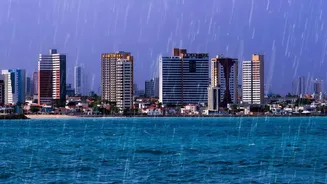
This phenomenon is especially pronounced in cities. Urban areas are dominated by materials like concrete, asphalt, and dark roofing that are excellent at absorbing and retaining heat. This creates what is known as the Urban Heat Island (UHI) effect, where cities are noticeably warmer than their surrounding rural areas. After a clear day of soaking up solar radiation, these materials continue to radiate heat back into the environment long after sunset, leading to unusually warm nights. The lack of green spaces and vegetation, which would otherwise provide cooling through shade and evapotranspiration, further compounds the problem, trapping heat within the city's concrete canyons.
What the Forecast Says
According to the India Meteorological Department (IMD), September 2026 is likely to see below-normal rainfall and above-normal temperatures for most of the country. This points to a classic setup for a pronounced 'September heat' phase. The forecast aligns with the broader trend of strong El Niño conditions, which often correlate with reduced monsoon rainfall and warmer temperatures over the subcontinent. Following what was reportedly the hottest August since 1901 for India, this pattern suggests the uncomfortable, humid heat could persist until the drier, cooler air of autumn finally establishes itself across the nation.