


A Puzzling Overlap on the Map
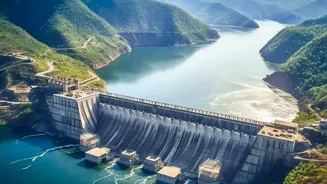
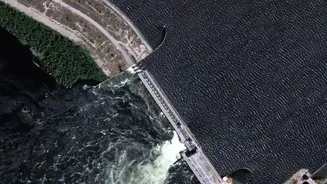
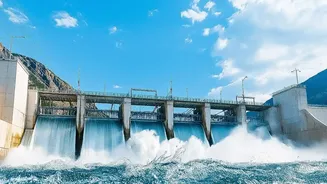
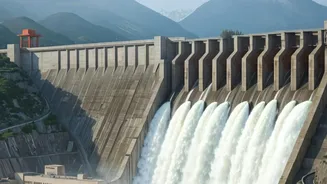
For years, environmentalists and water experts have been puzzled by the sheer number of dams—at least 533 according to one German research team—that Iran has constructed. Many of these massive infrastructure projects seemed to lack a clear civilian or economic
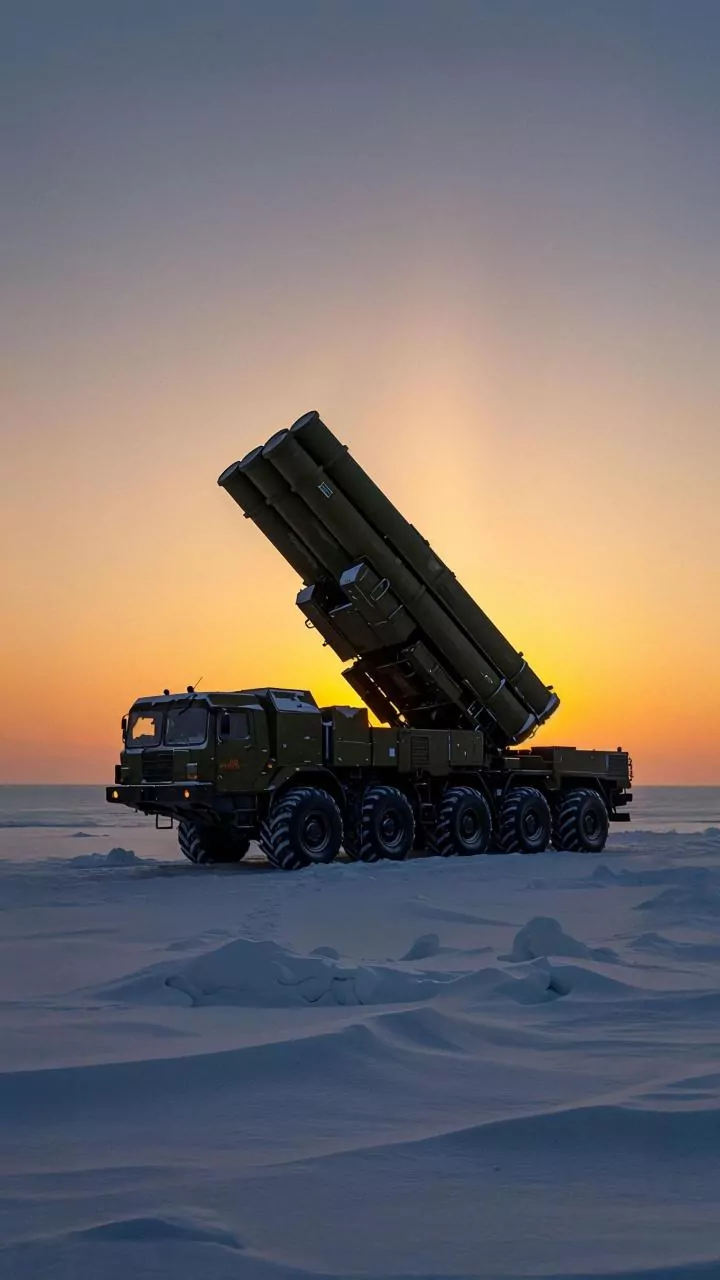
justification. The riddle took on a new dimension this year after a series of US and Israeli airstrikes targeted suspected military sites in Iran. When analysts mapped the locations of these strikes, they noticed a startling pattern: they closely mirrored the map of Iran's dams. This has fueled a growing theory among military and water experts that some of these dams may have a dual purpose, developed in part to support Iran's secretive military buildup, particularly its underground 'missile cities'.
The Strategic Logic of Co-location
Building and maintaining a sprawling, hardened network of underground missile production, storage, and launch sites requires immense and, crucially, reliable resources. Experts interviewed by The New York Times suggest that dams are a logical partner for such facilities. They can provide a steady, independent supply of both electricity from hydropower and water, which is vital for operations and personnel. This ensures what one former Israeli military intelligence analyst called 'operational continuity', meaning Iran's most critical strategic assets are not dependent on the public national grid, which could be a vulnerable target in a conflict. The massive excavation and construction work involved in building dams and their associated tunnels also provides a convenient cover for the similar, but clandestine, work of building subterranean military bases.
An Alternative View: Correlation Isn't Causality
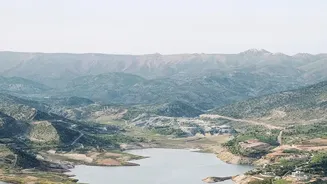
Not everyone is convinced of a direct, deliberate link. Some experts argue that the overlap is merely a coincidence of geography. Both large dams and hardened underground military sites are best located in mountainous regions for topographical and geological reasons. Kaveh Madani, a former senior Iranian environmental official, points out that proximity alone does not prove that the dams were built specifically to serve the missile sites. It’s just as plausible that military planners chose to build facilities near locations where water and power infrastructure already existed. Another expert noted that fewer than 50 of Iran's over 500 large dams actually have turbines installed to generate electricity, weakening the argument that they were all built as power sources for military bases. He suggests that vested interests, including IRGC-linked construction companies, have long used dam-building as a way to profit from large government budgets.
A Dangerous New Gray Area
Whether the connection is deliberate or coincidental, the discussion itself creates a dangerous legal and military gray area. By raising the possibility that civilian dams are 'dual-use', it could provide a pretext for targeting infrastructure that is essential for millions of civilians in a water-scarce country. This concern was voiced by Iranian Parliament Speaker Mohammad Bagher Ghalibaf, who warned that under this logic, any dam or power plant near a US or Israeli base could also be considered a legitimate target. The debate highlights how deeply entangled Iran's civilian and military infrastructure may have become, intentionally or not. This entanglement makes it difficult for adversaries to distinguish between legitimate military targets and protected civilian sites, increasing the risk of devastating collateral damage in any future conflict.