





Decoding 'Ultra-Processed'
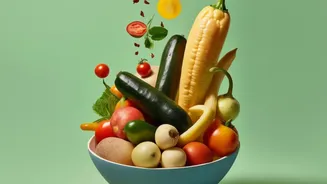
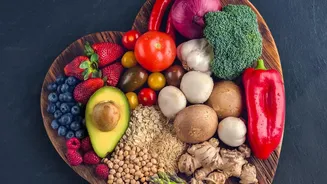
First, let's understand what we're talking about. The most widely used definition comes from the NOVA food classification system, which groups foods by their level of processing. Unprocessed or minimally processed foods are things like fresh fruits, vegetables,
dal, rice, and plain meat. Processed foods have been altered, but are still recognisable, like canned vegetables or freshly baked bread. Ultra-processed foods (UPFs), however, are in a different league. These are industrial formulations made from substances extracted from foods or synthesised in labs. Think of instant noodles, packaged biscuits, sugary breakfast cereals, fizzy drinks, and most ready-to-eat meals. A simple rule of thumb: if the ingredients list is long and full of names you don't recognise from a home kitchen—like emulsifiers, flavour enhancers, or hydrogenated oils—it is likely a UPF.
What the Latest Science Reveals
The “fresh clarity” mentioned in the headline comes from a large and growing body of scientific evidence. Recent large-scale studies and major reviews have drawn firm lines between high consumption of UPFs and a host of health problems. The findings are consistent and concerning. Research shows a direct link between diets high in UPFs and an increased risk of early death from all causes. Specifically, studies associate these foods with a higher risk of cardiovascular diseases like heart attacks and high blood pressure, type 2 diabetes, and certain types of cancer. Some of the newest research even points to a connection between UPFs and mental health, suggesting a higher likelihood of depression and anxiety among heavy consumers. The evidence now strongly suggests that the issue is not just with one or two 'bad' foods, but with the overall dietary pattern dominated by these industrial products.
Why They Are A Concern
It’s easy to assume the problem is just too much sugar, salt, and fat, but the risk goes deeper. UPFs are engineered to be 'hyper-palatable'—so intensely flavourful and satisfying that they encourage overeating before your body’s natural fullness signals can kick in. Furthermore, the industrial processing itself strips away essential nutrients like fibre, vitamins, and minerals while destroying the natural structure of the food. This can affect how our bodies digest and absorb nutrients. The additives used to improve texture, taste, and shelf-life may also play a role. Some studies suggest that emulsifiers and artificial sweeteners can disrupt the delicate balance of our gut microbiome, the community of bacteria in our digestive system that is crucial for overall health.
Spotting UPFs in Your Daily Life
Identifying UPFs at the supermarket is a key skill for healthy eating. Don’t be fooled by marketing claims like 'fortified with vitamins' or 'made with whole grains' on the front of the box. The real story is on the nutrition label and ingredients list. Look for industrial breads that contain emulsifiers and preservatives, unlike the simple flour, water, salt, and yeast of traditional bread. Many popular breakfast cereals, even those marketed as healthy, are packed with sugar and additives. Flavoured yoghurts, packaged soups, sauces, and most frozen or ready-to-heat meals fall into this category. Even seemingly innocent toddler foods can be problematic; a recent 2026 study found that a staggering 81% of foods marketed to toddlers were ultra-processed.
Simple Swaps for a Healthier Diet
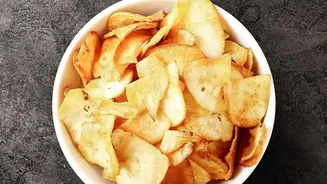
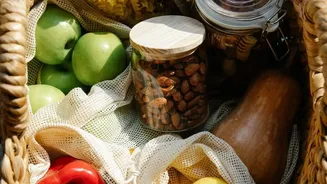
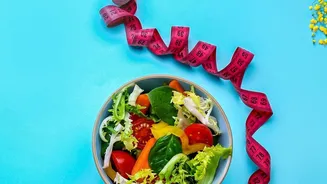
Reducing your intake of UPFs doesn't require a drastic or perfect diet. It's about making small, sustainable changes. Instead of reaching for a packet of chips, try roasted makhana, a handful of nuts, or homemade popcorn. Swap sugary breakfast cereals for traditional Indian breakfasts like poha, upma, or a simple dalia. Packaged fruit juices are often loaded with sugar and lack fibre; eat a whole fruit instead. When you crave something sweet, try a piece of jaggery or a date instead of a packaged biscuit or chocolate bar. Cooking at home more often is one of the most powerful tools you have. When you cook from scratch, you control the ingredients, avoiding the hidden sugars, fats, and chemical additives common in convenience foods.