




The Quest for the Unlisted
For decades, the best-kept secrets of the Indian Himalayas were passed through word-of-mouth. A trekker might tell a friend about a family in a remote village in Spiti who offered a warm bed and warmer food, or a motorcyclist might share a handwritten
note about a homestay with a stunning view of the Panchachuli peaks in Uttarakhand. These places existed far from the algorithms of major travel websites. They had no online booking system, no marketing budget, and often, not even a reliable phone number. Finding them required a spirit of adventure and a dose of luck. For the modern solo traveller, who values authenticity but relies on digital tools for safety and planning, this presented a unique challenge: how do you find the soul of a place when it’s not listed anywhere?
The Rise of the Digital Cartographer
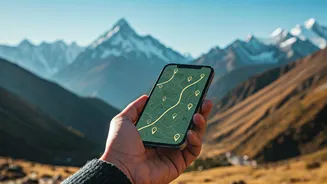
The answer is coming not from a large corporation, but from the travellers themselves. Armed with smartphones and a passion for sharing their discoveries, solo adventurers are meticulously building their own digital maps. These aren’t complex geographical surveys. Instead, they are labours of love, created using accessible tools like Google My Maps, AllTrails, or simply detailed blog posts with embedded GPS coordinates. A traveller will spend a few days at a remote homestay in a Ladakhi village, and upon leaving, will drop a pin on their personal map. They’ll add notes: the host’s name, the price of a home-cooked meal, the best way to get there, and perhaps a photo of the view from the window. This digital breadcrumb trail, once a personal travel log, is now being shared publicly on blogs, social media travel groups, and community forums, creating a powerful, user-generated guide to the Himalayas.
Why It's More Than Just a Map
This trend is about more than just convenience. It represents a fundamental shift in travel philosophy. For these digital cartographers, mapping a homestay is an act of reciprocity. It’s a way to thank a family for their hospitality by helping them secure a sustainable income. By connecting future travellers directly with homestay owners, they bypass the commission-heavy online travel agencies that favour larger hotels. This ensures that the money spent by tourists flows directly into the local economy, providing a viable livelihood that can help curb the migration of young people from remote mountain villages to overflowing cities. It’s a form of sustainable, community-first tourism, facilitated by the simplest of technologies.
The View from the Village
For the families running these homestays, this traveller-led digital movement can be life-changing. A single positive mention in a popular travel blog or a pin on a widely shared map can lead to a steady stream of respectful visitors. This income is often crucial, enabling them to preserve their homes, maintain their traditional way of life, and send their children to better schools. Unlike mass tourism, which can often overwhelm local infrastructure and culture, this slow, curated trickle of independent travellers tends to be more manageable and culturally sensitive. The visitors who use these maps are typically seeking genuine interaction and are more likely to respect local customs, creating a positive cycle of cultural exchange rather than mere transaction.
The Responsibility of Discovery
However, this new power comes with a significant responsibility. The very act of putting an ‘untouched’ place on a map makes it, by definition, more touched. There is a fine line between sharing a discovery and exposing it to the risks of over-tourism. The most conscious of these digital explorers understand this paradox. They often pair their maps with strong messages about responsible travel: carry your waste back, be mindful of local resources like water and electricity, ask for permission before taking photographs, and engage with your hosts with humility and respect. They are not just creating a map of places, but a guide on how to visit them ethically, aiming to preserve the very magic they were so thrilled to discover.