





The Tyranny of Bland
Let’s be honest about what ‘diet food’ usually means: steamed, unseasoned vegetables; plain grilled chicken breast; salads that taste of little more than cold water. It’s a culinary world drained of joy, built on the mistaken belief that for food to be healthy,
it must be boring. This approach often fails because it’s unsustainable. We are sensory beings, and depriving ourselves of flavour and satisfaction eventually leads to rebellion—usually in the form of bingeing on the very things we were trying to avoid. This cycle of restriction and regret is exhausting and ineffective. It frames healthy eating as a punishment, a temporary sentence to be served, rather than a joyful, lifelong pursuit.
The Spice Cabinet as a Pharmacy
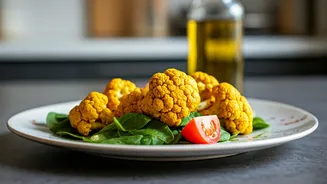
Now, step into an Indian kitchen. The first thing that hits you is the aroma from the masala dabba. This isn't just about making food taste good; it’s about making it work for your body. Turmeric, the golden star, contains curcumin, a powerful anti-inflammatory compound. Ginger and cumin are celebrated for their digestive benefits, helping to soothe the stomach and improve nutrient absorption. Fenugreek can help regulate blood sugar, while chillies provide a dose of metabolism-boosting capsaicin. These spices do more than just vanquish blandness; they infuse every bite with antioxidants and therapeutic properties, turning your meal into a form of preventative medicine. Instead of stripping flavour out, Indian cooking adds layers of it, each with a purpose.
A Masterclass in Meal Balance
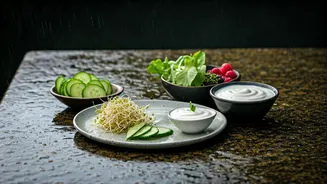
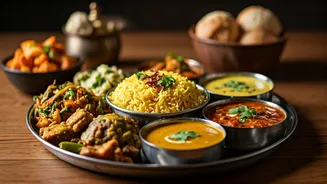
The traditional Indian thali is a masterclass in nutritional science, perfected long before modern dietitians started talking about macronutrients. A typical thali presents a balanced meal on a single platter. You have carbohydrates from roti or rice for energy. There’s protein from dal (lentils) or paneer. You get vitamins, minerals, and fibre from one or two sabzis (vegetable dishes). A dollop of yogurt or raita provides probiotics for gut health, and a small amount of pickle or chutney aids digestion and adds a flavour punch. This isn’t about counting calories; it’s about ensuring a complete, wholesome meal that satisfies all six tastes recognised in Ayurveda—sweet, sour, salty, bitter, pungent, and astringent. When your palate is fully satisfied, you’re less likely to experience cravings.
Beyond the Stereotypical Curry
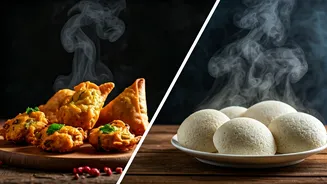
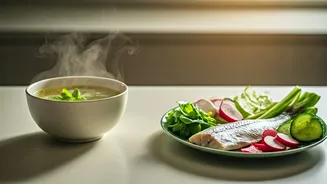
Thinking of Indian food as just heavy, creamy curries is like thinking of all music as just one song. The subcontinent’s culinary landscape is incredibly diverse and offers countless light, healthy options. Consider the fermented, steamed goodness of South Indian idlis and dosas, which are easy to digest and great for gut health. Look to the tandoor, which gives us succulent, low-fat tikkas and kebabs that are grilled, not fried. Think of light, flavourful soups like rasam, or simple stir-fried vegetables (poriyal) seasoned with mustard seeds and coconut. Even staple home-cooked meals like dalma from Odisha (lentils and vegetables cooked together) or a simple khichdi are paragons of one-pot nutritional virtue. The options for a light, delicious, and healthy Indian meal are virtually endless.
Smart Swaps, Not Sacrifices
Embracing the health benefits of Indian food doesn't require a radical overhaul. It’s about making smart choices. Opt for whole wheat roti over refined flour naan. Ask for tandoori or grilled dishes instead of deep-fried starters. Fill your plate with more sabzi and dal, using rice as an accompaniment rather than the main event. At home, you can control the amount of oil and ghee, using just enough for flavour and tempering. The beauty of this approach is that it’s not a diet. It’s a shift in perspective. It's about rediscovering the wisdom inherent in our own culinary traditions and realising that the path to health is paved with flavour, heritage, and joy—not with sad, steamed broccoli.