




The Slow Poison of Pollution
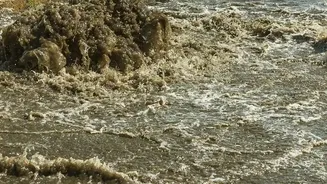
The first threat is a constant, insidious flow of waste. A significant portion of urban sewage, estimated at over 60%, enters rivers and lakes untreated. In Delhi, the Yamuna River's 22-kilometre stretch is a case in point, accounting for over 70% of the river's
total pollution load, primarily from untreated sewage. This influx of waste dramatically lowers dissolved oxygen, crucial for aquatic life, creating 'dead zones'. The problem is compounded by industrial effluents that lace the water with heavy metals like lead and mercury, and the pervasive issue of plastic waste. In Bengaluru, lakes like Bellandur and Varthur have become infamous for generating toxic foam, a visible symptom of severe contamination from sewage and industrial chemicals. This pollution not only kills fish and other organisms but also contaminates groundwater and makes water unfit for any use, posing serious health risks like cholera and typhoid to human populations.
The Silent Invasion of Encroachment
The second threat is the physical disappearance of water bodies. In the race for space, urban planners and developers have often viewed lakes and wetlands as available land. Across India, these vital ecosystems have been systematically filled in and built over to create residential layouts, bus terminals, and other infrastructure. Bengaluru, once known as the 'city of a thousand lakes', had around 262 lakes in the 1960s; now, only a handful remain in a healthy state. Studies in cities like Chennai show that some lakes have lost over 75% of their original area to encroachment. This physical shrinking of water bodies is not just a loss of scenery; it's a critical blow to a city's natural infrastructure. These encroachments often happen on floodplains and natural drainage channels, destroying the city's ability to handle rainwater.
A Cascade of Consequences
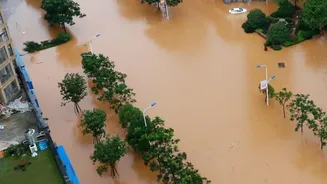
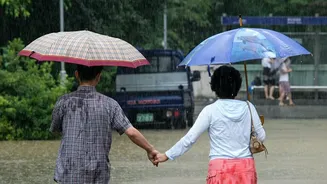
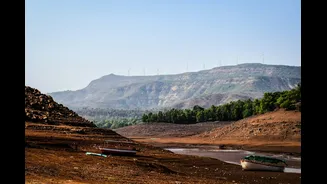
The combined impact of pollution and encroachment creates a cascade of urban crises. With natural sponges like lakes and wetlands gone, cities are increasingly vulnerable to flooding. Intense rainfall, which once would have been absorbed, now results in waterlogging as runoff has nowhere to go. This is a recurring issue in major cities like Mumbai, Delhi, and Bengaluru. Furthermore, these water bodies are essential for recharging groundwater aquifers. Their decline contributes directly to the severe water scarcity many cities now face, forcing them to rely on transporting water from distant sources. The loss of green and blue spaces also leads to the 'urban heat island' effect, making cities warmer. This environmental degradation has a direct human cost, impacting public health, economic stability, and the overall quality of urban life.
Is Revival Possible?
Despite the grim situation, there are glimmers of hope. Across the country, citizen-led movements and certain government initiatives have shown that restoration is possible. In Bengaluru, community efforts and projects by the civic body have successfully revived lakes like Sarakki and Avalahalli, turning them back into community spaces with walking tracks and returning birdlife. These successes, however, are often hard-won and require constant vigilance and maintenance. They demonstrate that a combination of strict enforcement against pollution and encroachment, coupled with dedicated restoration projects and community ownership, can bring a water body back from the brink. The revival of these ecosystems is not just about beautification; it's a critical investment in urban resilience, water security, and public health.