
Why Generic Advice Falls Short
The message to drink more milk for calcium is simple, but it doesn't always fit the Indian reality. A significant portion of the Indian population is lactose intolerant, making dairy consumption difficult. Furthermore, many Indians follow a vegetarian
or plant-forward diet. While dairy products like milk, paneer, and curd are excellent calcium sources, relying on them alone can be expensive and monotonous. The average Indian adult consumes only about 400-500mg of calcium daily, which is roughly half the recommended amount of 1,000mg per day set by the Indian Council of Medical Research (ICMR). This gap highlights the need for a more inclusive approach that taps into the wealth of non-dairy and plant-based calcium sources abundant in our country.
The Unsung Heroes: Millets and Seeds
Long before kale became a buzzword, Indian kitchens had their own superfoods. Finger millet, or ragi, is a calcium powerhouse. A hundred grams of ragi flour contains about 344mg of calcium, which is nearly three times the amount found in milk. While ragi contains phytates that can hinder calcium absorption, traditional preparation methods like soaking and fermenting (as in a dosa batter) significantly reduce these compounds, making the calcium more available to your body. Another forgotten champion is sesame seeds (til). Just one tablespoon of sesame seeds provides nearly 100mg of calcium. Sprinkling them on salads, adding them to chutneys, or enjoying them in traditional til laddoos are easy ways to boost your intake.
Finding Calcium in Your Daily Sabzi and Dal
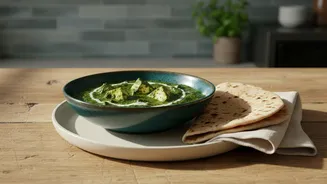
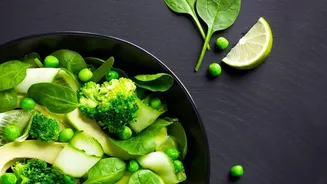
You don't need to hunt for exotic ingredients to find calcium. It’s hiding in plain sight in your everyday meals. Leafy greens like amaranth leaves (chaulai) and drumstick leaves (moringa) are exceptional sources. A single serving of cooked drumstick leaves can provide more calcium than a glass of milk. While spinach (palak) is also rich in calcium, it contains high levels of oxalates, which bind to calcium and prevent its absorption. Legumes are another staple that contribute to your daily tally. Rajma, chickpeas (chana), and urad dal all contain a decent amount of calcium. The key, much like with millets, is preparation. Soaking dals and legumes overnight before cooking helps reduce phytic acid, improving your body's ability to absorb the minerals within.
Dairy, Done the Desi Way
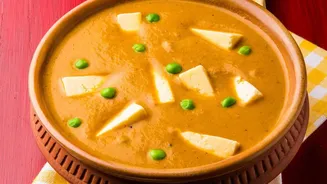
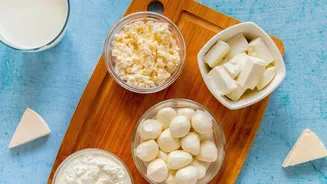
For those who consume dairy, Indian preparations are often superior choices. Curd (dahi) is particularly beneficial. The fermentation process not only makes it easier to digest for those with mild lactose intolerance but also introduces probiotics that support gut health. A bowl of curd is a significant calcium contributor. Paneer, especially when made from buffalo milk, is one of the most concentrated sources of calcium in the Indian vegetarian diet. A 100-gram serving of paneer can provide close to 500mg of calcium, fulfilling half your daily requirement in one go. Even buttermilk (chaas) offers a refreshing and easily absorbable source of calcium.
The Crucial Partner: Vitamin D
Consuming calcium-rich foods is only half the battle; your body needs Vitamin D to absorb it effectively. Without enough Vitamin D, you might only absorb 10-15% of the calcium from your diet. Unfortunately, Vitamin D deficiency is extremely common across India, despite ample sunshine. This makes it crucial to get regular, safe sun exposure (around 20-30 minutes on the arms and face in the early morning or late afternoon is often recommended). Additionally, including foods like egg yolks, fatty fish, and fortified milk in your diet can help. For many, a supplement may be necessary, but this should always be done under a doctor's guidance.