
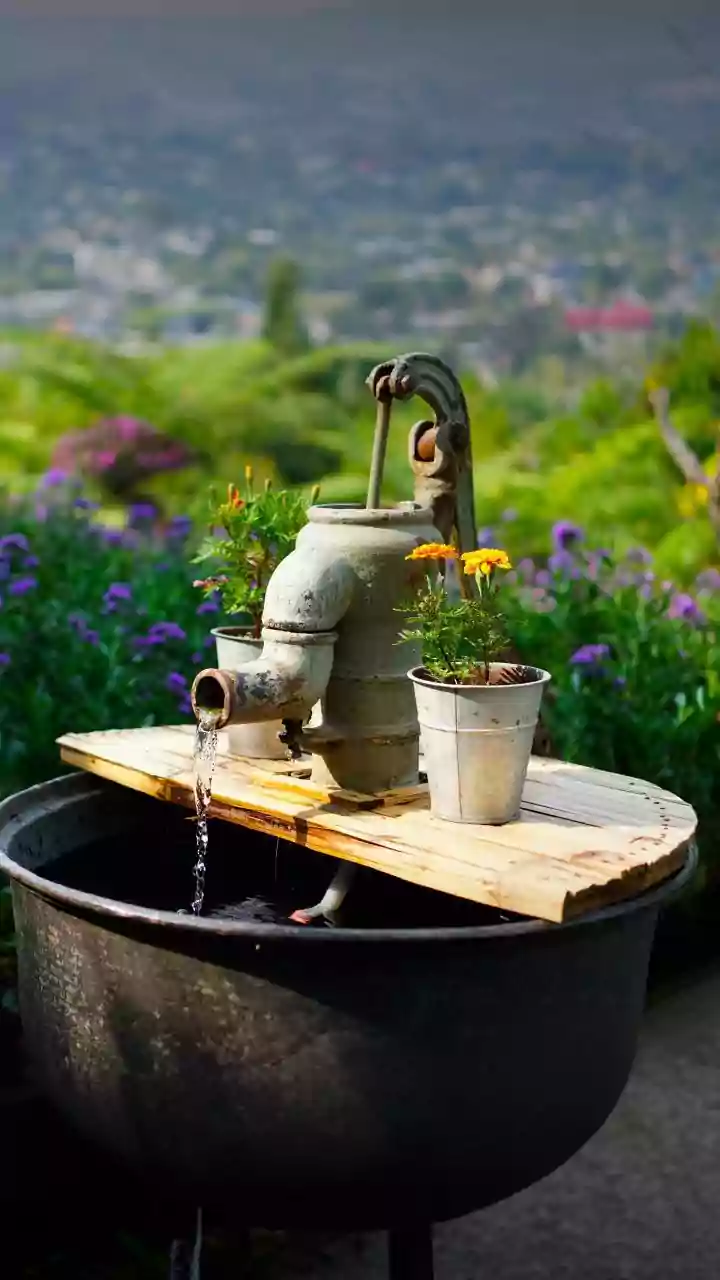





The New Green Thumb
Across India's bustling cities and quiet neighbourhoods, a green revolution is unfolding on a personal scale. The trend of home gardening, which blossomed in recent years, continues to grow as people discover the satisfaction of cultivating their own
food. This isn't just about having fresh, pesticide-free vegetables; it's about connecting with nature, finding a therapeutic hobby, and adding a touch of green to urban life. Balconies are turning into vibrant vegetable patches, and terraces are becoming productive mini-farms. From retired seniors to young professionals and families, the appeal is universal. This renewed passion for gardening has also sparked a curiosity to go beyond basic planting and explore more effective, time-tested methods for a bountiful harvest.
What Exactly Is the Rabi Season?
The term 'Rabi' might sound familiar from news reports about agriculture, but it's a simple and powerful concept for any gardener. Derived from an Arabic word for "spring," the Rabi season refers to India's winter cropping cycle. Crops are typically sown from October to December, after the monsoon has withdrawn, and are harvested in the spring, from around March to April. Unlike the monsoon-dependent Kharif crops, Rabi crops thrive in the cooler, drier weather of winter and rely on ground moisture or irrigation. This period is defined by moderate temperatures and clearer skies, creating the perfect conditions for a specific set of plants to flourish. Understanding this natural calendar is the first step to mastering winter gardening.
From Farmland to Your Flowerpot
You don't need acres of land to benefit from the wisdom of the Rabi season. The same principles that guide farmers across the country can be perfectly applied to pots, containers, and backyard plots. Think of the Rabi season as nature's planting guide. The crops that are traditionally grown in fields during this time—like wheat, mustard, and grams—are selected because they are biologically suited to the winter climate. For the home gardener, this means that choosing 'Rabi-friendly' vegetables is a shortcut to success. These plants are naturally equipped to handle cooler temperatures and will perform significantly better than trying to grow a summer-loving plant out of season. By aligning your planting choices with the Rabi calendar, you are working with nature, not against it.
Your Perfect Rabi Home Garden Menu
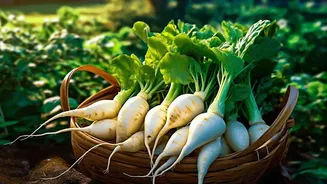
So, what should you plant? The Rabi season offers a delightful menu of vegetables that are perfect for home gardens. Many of these are staples in Indian kitchens. Leafy greens are a great starting point; spinach (Palak), fenugreek (Methi), and coriander (Dhania) grow quickly and can be harvested multiple times. Root vegetables also thrive in the cool soil. Carrots, radishes, and beetroots are excellent choices for deeper pots. Other rewarding options include peas, which are easy for beginners, and even tomatoes, onions, and potatoes if you have a bit more space and sunlight. These crops are not only suited to the climate but are also relatively easy to manage in containers, making them ideal for urban gardeners.
Simple Tips for a Successful Rabi Garden
Getting your winter garden started is straightforward. First, timing is key. Begin preparing your soil and sowing seeds around October or early November to catch the ideal growing window. Second, be mindful of sunlight. Winter sun is less intense, so place your pots in a spot that receives at least 4-6 hours of direct sunlight. Third, water wisely. Rabi crops generally require less water than summer plants. Check the soil's moisture by touch; water only when the top inch feels dry to prevent overwatering. Finally, start with a good foundation. Use a quality potting mix enriched with compost. This provides the essential nutrients your plants need to thrive through the season, ensuring your harvest is both healthy and abundant.