





What is Chaturmas?
Chaturmas, literally meaning “four months,” is a sacred period in Hinduism, Jainism, and Buddhism, observed annually during the monsoon. [6] It begins on Devshayani Ekadashi in the lunar month of Ashadha and concludes on Prabodhini Ekadashi in the month of Kartik.
[2] For 2026, this period starts on July 25 and ends on November 20. [3] According to Hindu belief, this is the time when Lord Vishnu enters a state of cosmic sleep, or 'Yoga Nidra'. [7, 13] Consequently, auspicious events like weddings and house-warming ceremonies are traditionally postponed until he awakens. [7, 10] This transforms these four months—Shravan, Bhadrapada, Ashwin, and Kartik—into a time dedicated to inner focus, prayer, and spiritual growth. [2, 10]
The Monsoon and Spiritual Retreat
The timing of Chaturmas is deeply intertwined with the practical realities of the Indian monsoon. [2] Historically, the practice began with wandering ascetics and monks who would halt their travels to avoid accidentally harming the burgeoning insect and plant life that flourishes during the rains. [6, 17] This principle of Ahimsa (non-violence) is especially central to the Jain observance, known as Varshayog. [4, 6] By staying in one place, these spiritual leaders created an opportunity for local communities to engage with them through discourses and satsangs. [4, 9] For householders, the challenges of monsoon travel also naturally fostered a more home-bound existence, making it an ideal time for focusing on domestic rituals and spiritual self-discipline. [9]
A Season of Vows and Fasts
The core of Chaturmas lies in the voluntary adoption of 'vratas' or vows, which lend a ritualistic structure to daily life. These vows often involve dietary restrictions, and many devotees choose to abstain from certain foods for the entire duration or in specific months. [13] Common practices include giving up leafy green vegetables in Shravan, yogurt in Bhadrapada, milk in Ashwin, and certain lentils like urad dal in Kartik. [16] Many also avoid tamasic foods like onion and garlic to maintain a sattvic (pure) state of mind. [15] Beyond diet, vows can include observing silence (maun vrat), sleeping on the floor, reading scriptures daily, or giving up a favourite food item as a form of penance and self-control. [9, 20] This conscious planning and adherence to rules turn the entire season into an extended spiritual exercise.
Planning for Piety
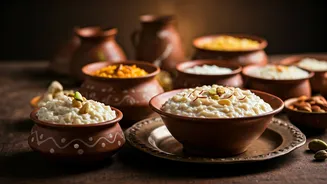
Successfully observing Chaturmas requires foresight and planning. Families prepare by stocking up on grains and other non-perishable food items that are permissible during the various phases of the observance. This preparation ensures that the household can smoothly adhere to the dietary vows without frequent trips to the market, which aligns with the ancient principle of staying put during the rains. The kitchen transforms, with menus adapted to the specific restrictions of each month. [12] This planning isn't just logistical; it's a mental and spiritual preparation, setting the intention for a period of heightened awareness and discipline. The act of planning itself becomes the first step in the ritual process.
A Calendar Filled with Festivals
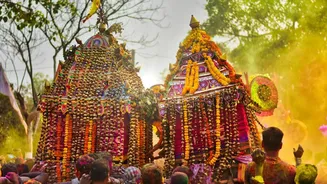
While major personal ceremonies are paused, Chaturmas is far from uneventful. The four-month period is dotted with some of the most significant festivals in the Hindu calendar. [6] The season kicks off around Guru Purnima and moves through celebrations like Krishna Janmashtami, Ganesh Chaturthi, Navratri, and concludes around Diwali. [6, 12] These festivals punctuate the period of austerity with moments of community worship and celebration, reinforcing the spiritual atmosphere. Each festival brings its own set of rituals, stories, and special foods (prasadam), ensuring that the monsoon months are a dynamic and engaging period of faith, rather than a monotonous one. This cycle of fasts and feasts creates a comprehensive, ritual-led experience of the season.