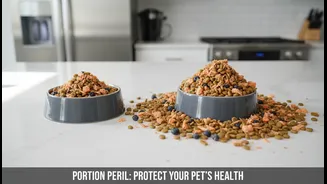









The Premium Price Tag Mystery
Walk into any specialty pet store or browse online, and the sticker shock is real. Bags of premium pet food can cost significantly more than the brands many grew up seeing. The labels are filled with terms like “grain-free,” “human-grade,” and “hydrolyzed
protein.” For the average Indian pet owner, who has perhaps transitioned from feeding home-cooked meals, these terms often feel like marketing jargon designed to justify a high price. The shift from table scraps to commercial food is already a big step for many. The leap to premium varieties, without clear, relatable explanations, feels unnecessary and expensive. This is the core of the problem: brands are selling a premium product using language that doesn't resonate with the local consumer, who remains price-sensitive and wary of paying for benefits they don't understand.
What 'Premium' Actually Means
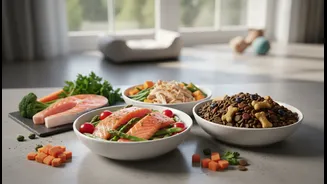
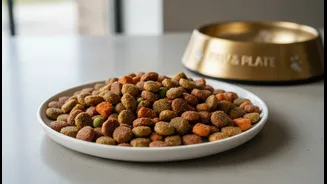
So, what are you paying for? In essence, premium pet food is about ingredient quality and nutritional science. Where a budget food might use unspecified “meat and animal by-products,” a premium brand will name the specific protein source, like “deboned chicken.” This matters because named sources are more consistent in quality. The term “grain-free” addresses the fact that some pets have sensitivities to common grains like corn or wheat, which are often used as cheap fillers. Other functional foods might include omega fatty acids for a healthier coat, probiotics for digestion, or specific formulations for a puppy’s growth versus a senior dog’s joint health. These aren't just marketing buzzwords; they represent a targeted approach to nutrition that can lead to better long-term health, fewer vet visits, and improved quality of life for the pet.
Lost in Cultural Translation
Much of the marketing for premium pet food feels imported and disconnected from the Indian context. Adverts that speak of a dog’s “ancestral wolf diet” can seem absurd to an Indian pet parent whose point of reference is the local community dog, not a wolf pack. The cultural context is different. While the “humanization” of pets is a growing trend in urban India, many owners still balance this with a practical mindset. A large portion of pet owners still rely on or mix in home-cooked food, believing it offers better quality control. Brands that fail to acknowledge this reality and instead push a one-size-fits-all global marketing message are missing the point. To succeed, they need to build trust and demonstrate value within the Indian cultural framework, which may include acknowledging home-cooking habits and explaining how their product can supplement or offer a more balanced alternative.
The Crucial Role of Veterinarians and Retailers
In the face of confusing marketing, veterinarians become the most trusted source of information for pet parents. However, a disconnect often exists between the vet's advice and what a brand communicates on its packaging. When a vet recommends a specific diet for a health issue, the owner is motivated to buy it. But for general wellness, the messaging needs support from the entire ecosystem. Brands must do a better job of educating not just consumers, but also the vets and pet store staff who are on the front lines. Retailers who can explain why a certain food is good for a Labrador puppy versus an older cat become invaluable resources. This requires training, clear informational materials, and a commitment from brands to build a knowledgeable sales channel, rather than just moving boxes.
A Path to Better Explanations
The opportunity for brands that get this right is immense. India's pet food market is one of the fastest-growing in the world, with the premium segment leading the charge. Winning this market requires a shift from simply marketing to educating. Brands need to invest in simple, clear, and localized explainers. This could mean using QR codes on packaging that link to short videos explaining the benefits of key ingredients. It could mean collaborating with Indian vets and pet influencers to create content that addresses common local concerns, like transitioning from a rice-based diet. Instead of just selling bags of kibble, the most successful brands will be those who sell confidence, clarity, and the peace of mind that comes from knowing you are doing the best for a beloved member of your family.