
From Heirloom to High Fashion
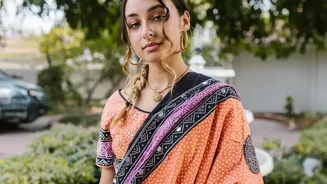
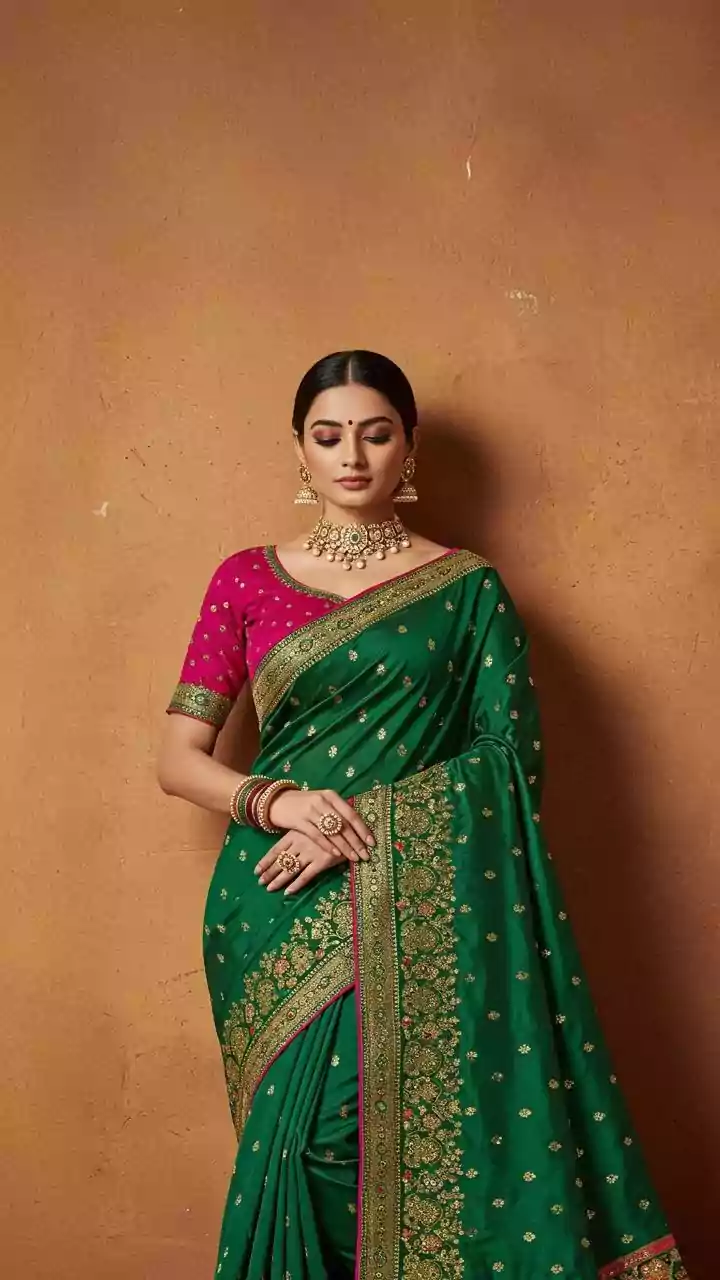
The six-yard saree, a timeless symbol of Indian grace, is undergoing a creative reinvention. Young fashion enthusiasts, unwilling to let precious family silks languish, are commissioning designers and local tailors to deconstruct these garments and resurrect
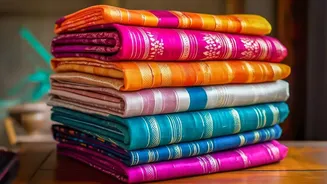
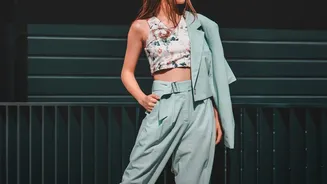
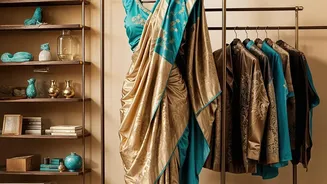
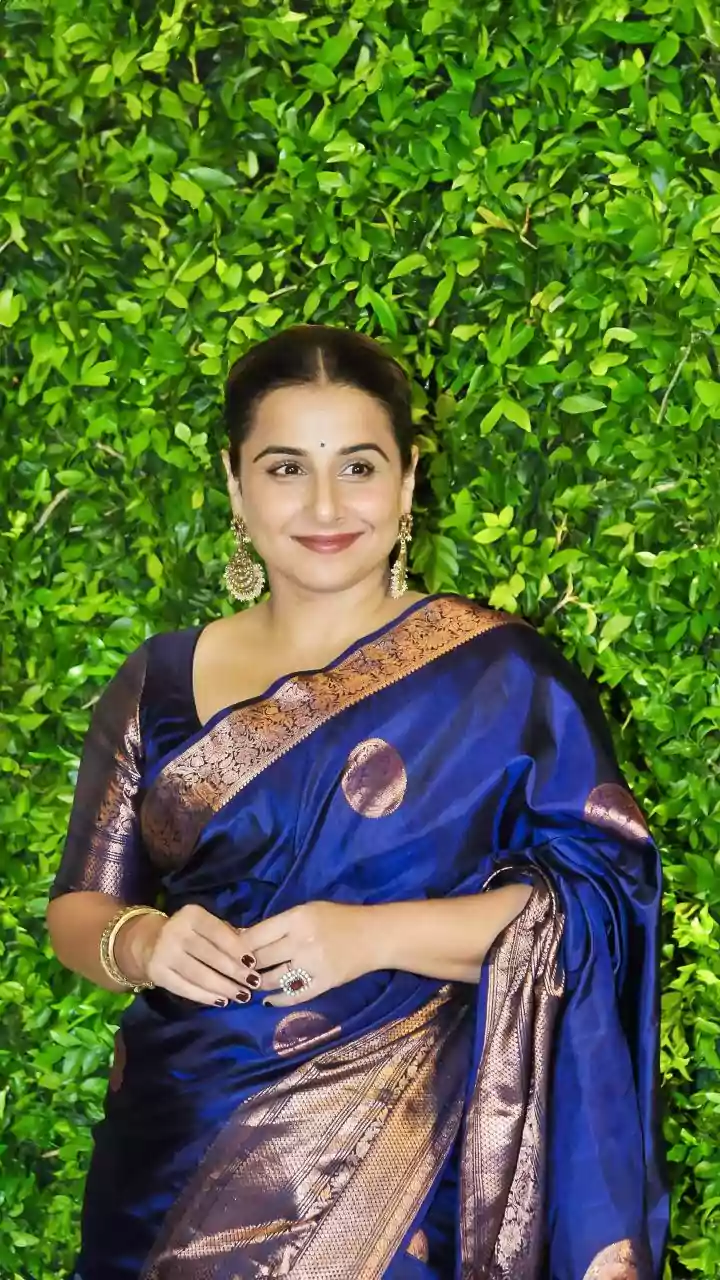
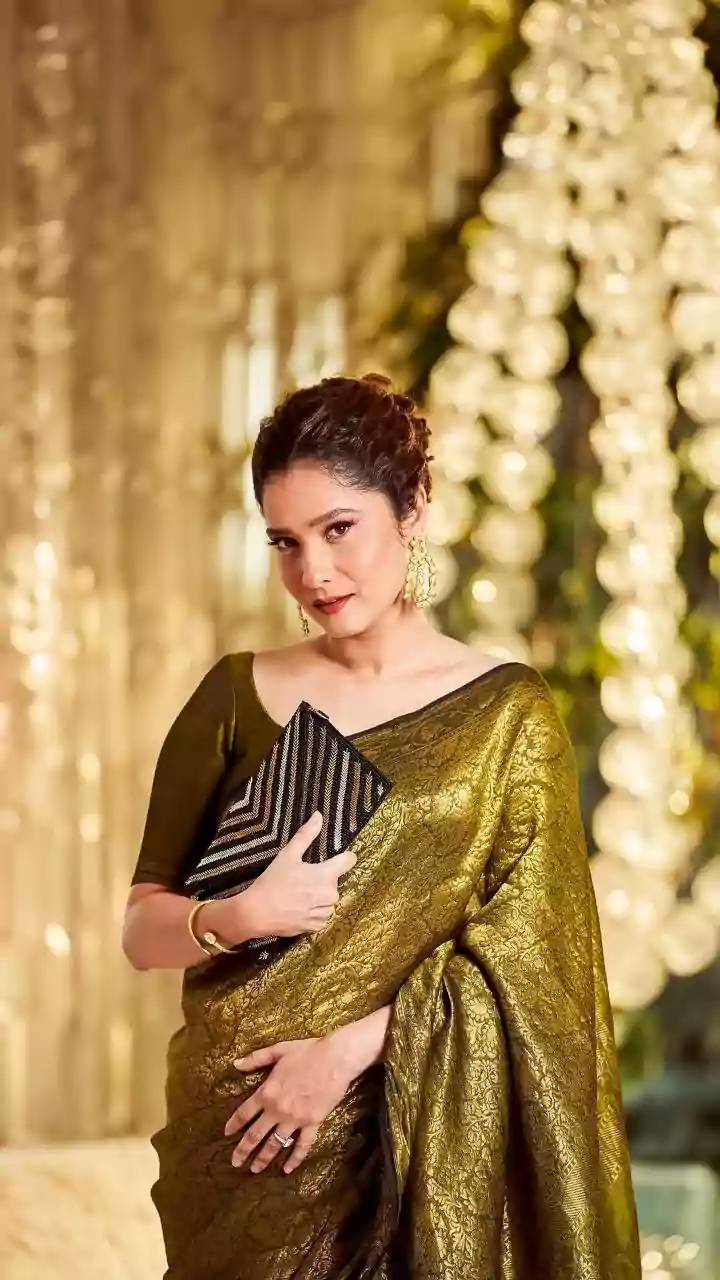
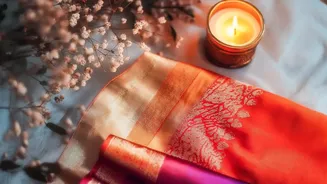
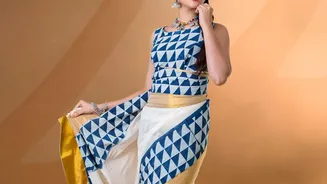
them as contemporary two-piece outfits. This process involves carefully cutting the saree—often a treasured Kanjeevaram, Banarasi, or Paithani passed down from a mother or grandmother—and fashioning it into stylish combinations like crop tops with palazzos, blouses with draped skirts, or even structured corset tops paired with trousers. The intricate borders and richly woven pallus, once the highlights of the drape, are strategically repurposed as design elements on necklines, sleeves, or hemlines, ensuring the soul of the saree is preserved.
A Blend of Nostalgia and Sustainability
This trend is fueled by two powerful modern sensibilities: a deep appreciation for personal history and a growing commitment to sustainable fashion. For many, upcycling a family saree is an act of love. These are not just fabrics; they are vessels of memory, holding the stories of weddings, festivals, and family celebrations. Transforming a mother’s wedding saree into an outfit for a special occasion creates a powerful emotional connection between generations. Simultaneously, this practice is a direct response to the wastefulness of fast fashion. By giving an old garment a new life, these young consumers are making an eco-conscious choice, reducing textile waste and celebrating a form of circular fashion that has been practiced in Indian homes for generations, albeit out of necessity.
The Rise of the Festive Co-ord
The co-ord set has become a festive wardrobe staple for its effortless blend of style and comfort. It offers a structured, put-together look without the complexities of draping a full saree, making it a practical choice for long hours of celebration. The appeal also lies in its uniqueness. In a world of mass-produced fashion, a co-ord set made from a vintage silk saree is a one-of-a-kind piece. No two are exactly alike, offering a level of exclusivity that fast-fashion brands cannot replicate. This desire for individuality, especially during festive seasons, is a major driver of the trend's popularity among Gen Z and millennials.
Designers and DIY Creativity
This movement is flourishing at both ends of the fashion spectrum. Boutique designers and online brands are now offering bespoke services, transforming clients' heirloom sarees into custom-fit modern ensembles. They bring a high level of design expertise, ensuring the precious fabric is treated with care and the final silhouette is flattering and contemporary. However, the trend is equally propelled by a vibrant DIY culture. Armed with creative vision and aided by skilled local tailors—the trusted 'masterjis'—countless young women are conceptualizing their own designs. This accessibility has democratized the trend, turning it from a niche service into a widespread cultural phenomenon. Social media platforms are filled with tutorials and inspiration, further fueling this creative wave.
A New Chapter in India's Textile Story
More than just a fashion statement, reimagining the saree is a form of cultural evolution. It reflects a generation that deeply respects its heritage but is not bound by rigid traditions. This act of transformation is a dialogue between the past and the present, preserving the craftsmanship of weavers and the emotional legacy of the garment while adapting it to a modern lifestyle. It acknowledges that a priceless silk, woven with history, is better worn and celebrated in a new form than left forgotten in a trunk. The trend ensures that these beautiful textiles continue to be a part of life's special moments, just in a different silhouette.