


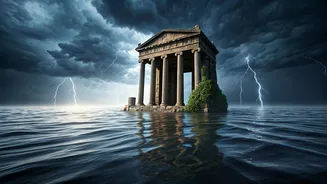



A World of Heritage Under Siege
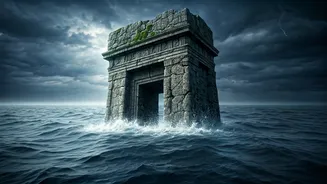
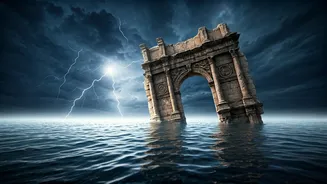
From the sinking foundations of Venice to the eroding coastlines that threaten the stone statues of Rapa Nui (Easter Island), the impact of climate change on world heritage is no longer a future problem; it is a present-day crisis. According to UNESCO,
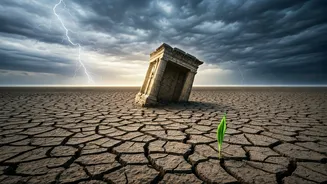
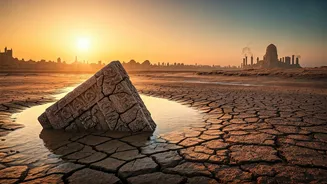
a significant percentage of both natural and cultural heritage sites are already at risk. The culprits are familiar elements of the climate crisis: rising sea levels, more frequent and intense storms, punishing droughts, and extreme heat. These factors accelerate the decay of materials like stone and wood, destabilise ancient structures, and bleach vibrant coral reefs that have been protected for their outstanding universal value. A recent study found that a staggering 80% of UNESCO cultural sites already face climate-related stress, threatening the very fabric of our shared global history.
From Coastal Forts to Mountain Sanctuaries
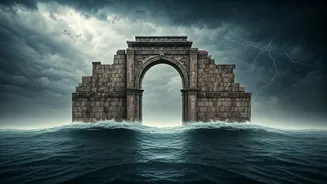
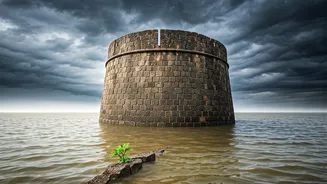
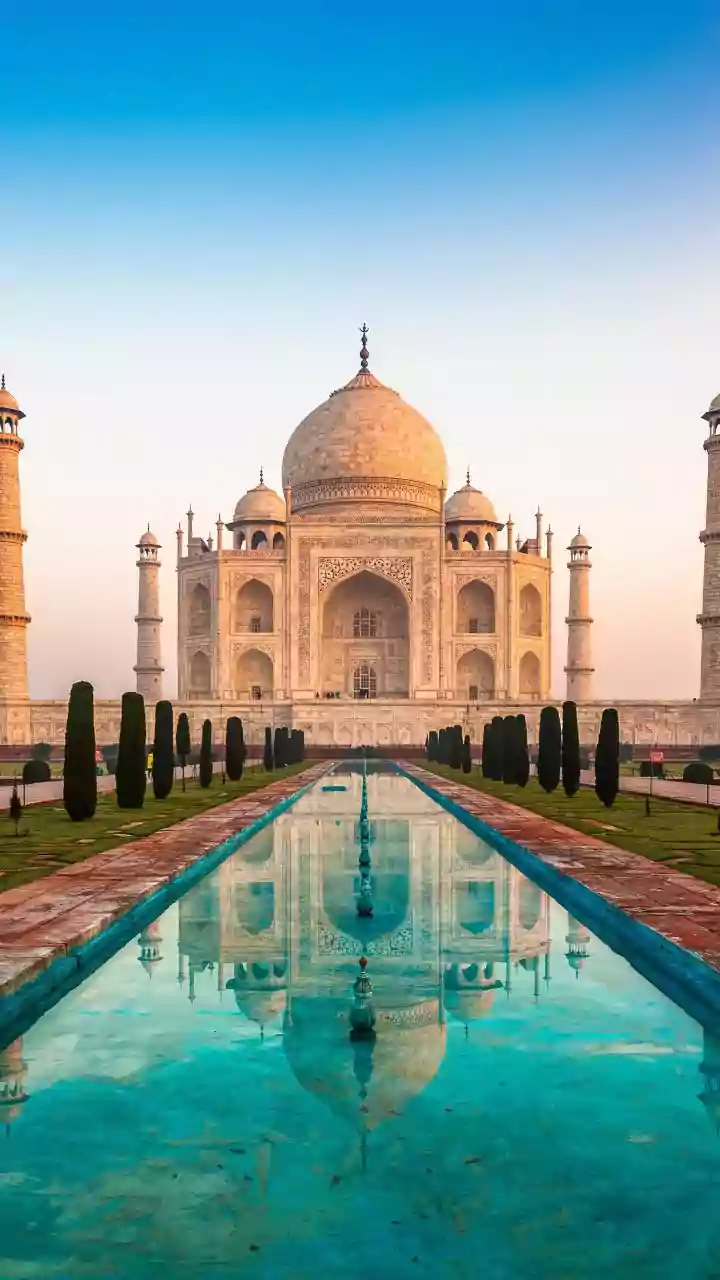
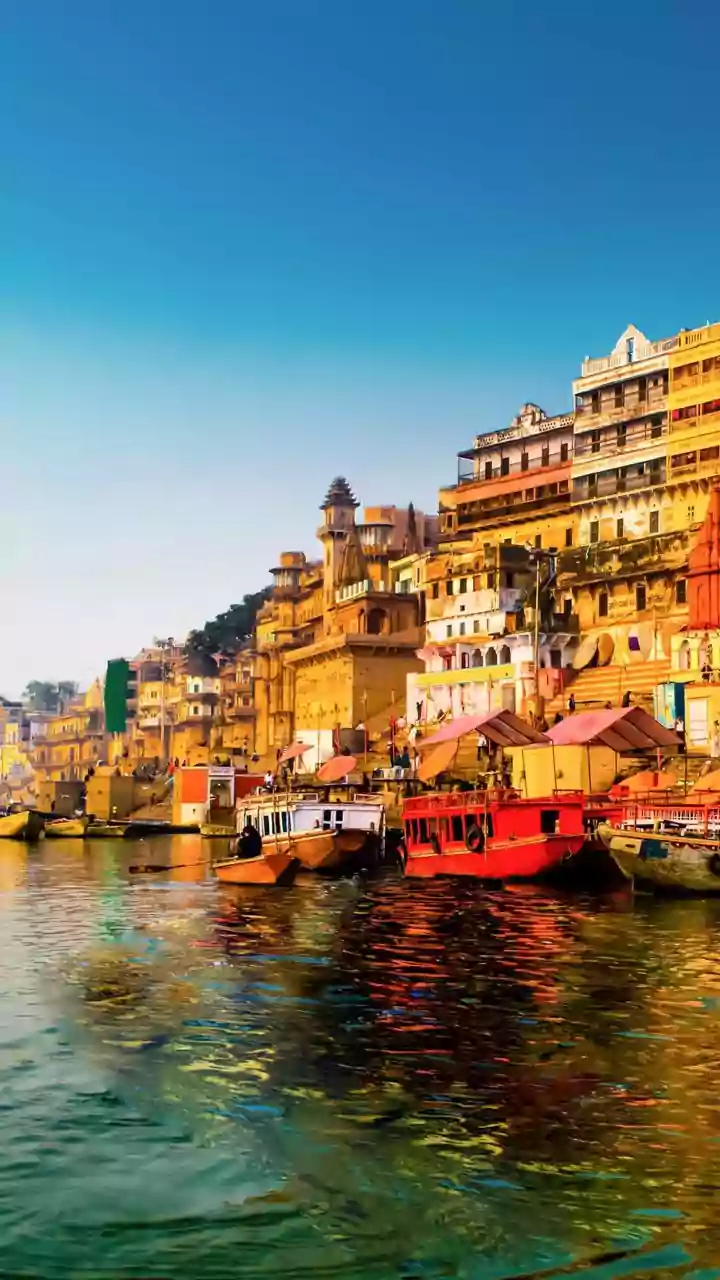
The threat is diverse and widespread. In coastal regions, rising seas and storm surges are a primary menace. Portions of Kilwa Kisiwani, a historic port city in Tanzania, are already slipping underwater. In Peru, the ancient adobe city of Chan Chan faces damage from more extreme rainfall and drought cycles linked to El Niño events. The story is similar for India’s own treasures. Water scarcity and pollution are depleting groundwater and damaging the foundation of the Taj Mahal. In the Himalayas, melting glaciers and unpredictable weather patterns pose a risk not only to the natural landscape but also to the ancient monasteries and cultural sites nestled within them. Even natural wonders are not spared. Australia’s Great Barrier Reef has suffered repeated mass bleaching events due to rising ocean temperatures, threatening a vital ecosystem.
More Than Monuments, A Living Legacy
The loss of these sites is more than just the crumbling of old stones or the loss of beautiful landscapes. It represents the erasure of cultural memory, economic stability for local communities, and the traditions that are tied to these places. Intangible cultural heritage—the local knowledge, traditions, and skills passed down through generations—is also at risk. As communities are displaced by climate impacts, these vital connections to the past can be severed. In response, a global effort is underway, not just to build seawalls and reinforce structures, but to fundamentally rethink preservation. Organizations like UNESCO and the International Council on Monuments and Sites (ICOMOS) are developing new frameworks for adaptive management, integrating climate science directly into conservation planning.
A New Urgency for a Shared Future
This escalating crisis is forcing a profound shift in how we perceive heritage. It is no longer a static collection of relics to be admired from a distance, but a dynamic and vulnerable part of our living world. The fight to save these sites is becoming a powerful form of climate action. Innovative solutions are emerging worldwide, often by blending modern science with traditional knowledge. In Jodhpur, India, a heat action plan based on traditional practices is helping the community adapt to extreme temperatures. Community-led efforts to manage flood risks are protecting both people and heritage on Tuti Island in Sudan. These actions underscore a new reality: protecting our heritage is not about clinging to the past. It’s about securing a legacy, fostering resilience, and taking collective responsibility for the cultural and natural inheritance we hope to pass on.