





Recognise the Signs of Boredom
Before you can solve the problem, it helps to know what you’re looking for. Boredom in pets often manifests as destructive behaviour, like chewing furniture or scratching everything in sight. [1, 2] Other signs can be more subtle. Is your pet sleeping
more than usual, losing interest in food, or suddenly overeating? [1, 2] Some animals become restless, pacing around the house, while others may start excessively licking or grooming themselves. [2, 9] An increase in attention-seeking behaviours like whining, barking, or constantly nudging you is also a clear signal that your pet needs more engagement. [2, 4, 9]
Engage Their Brain with Puzzle Toys
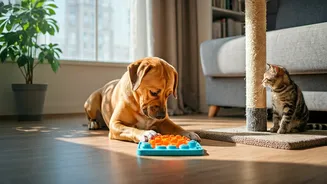
Mental exercise can be just as tiring as physical exercise. Puzzle toys are a fantastic way to challenge your pet's mind and keep them occupied. [14, 21] For dogs, this can be a muffin tin with treats hidden in the cups, covered by tennis balls they have to remove. [18, 20, 22] For cats, food puzzles that require them to manipulate the toy to release kibble satisfy their natural instinct to hunt for their food. [5] You don’t need to buy expensive gadgets; simple DIY options, like hiding treats inside a cardboard box or a rolled-up towel, can be just as effective and provide hours of problem-solving fun. [10, 18]
Turn Your Home into a Playground
Limited space doesn't mean you can't have physical fun. Create a simple indoor obstacle course. Use chairs and blankets to build a tunnel, a broomstick propped up for a low jump, or pillows to weave through. [10, 14, 17] This not only burns energy but also builds confidence and coordination. A classic game of hide-and-seek, where you hide and call your pet to find you, is another great way to get them moving and thinking. [10, 16, 21] Even a simple game of fetch down a hallway with a soft toy can provide a good outlet for pent-up energy.
Harness the Power of Scent
A pet's sense of smell is incredibly powerful, and engaging it is a surefire way to beat boredom. Scent games, also known as nose work, are perfect for small indoor spaces. [11] Hide strong-smelling treats around a room—under cushions, behind furniture, or inside a toy—and encourage your dog or cat to find them. [11, 12, 19] This simple "treasure hunt" taps into their natural foraging and hunting instincts, which is highly stimulating and satisfying for them. [19, 21] You can also use a snuffle mat, which is a fabric mat designed for hiding treats, to encourage sniffing and slow down fast eaters. [23]
Special Considerations for Cats
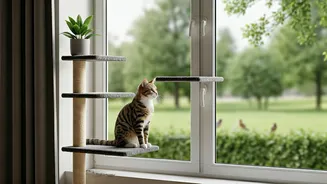
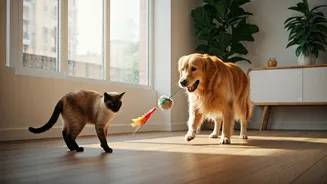
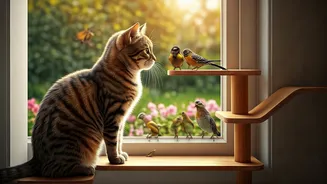
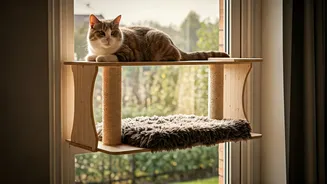
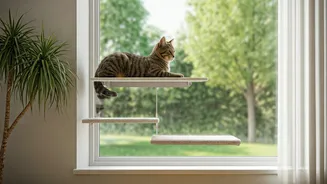
While many dogs are happy with puzzles and fetch, cats often require a different approach. They thrive on activities that mimic their predatory instincts. Use wand toys with feathers to simulate a bird or a mouse they can stalk, chase, and pounce on. [3, 5] Because cats love vertical space, ensure they have access to a cat tree or a cleared shelf where they can climb and observe their surroundings. [3, 8] A perch by a window can provide endless entertainment as they watch the world go by. [3] Simple items like a cardboard box or a paper bag (with the handles removed) can also become a favourite new hiding spot and plaything. [5]
Practice and Bond with Training
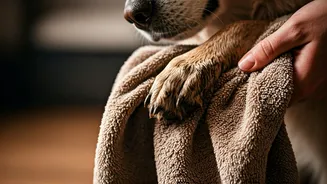
A rainy day is the perfect opportunity to work on training. Short, positive reinforcement sessions can be incredibly enriching. You can brush up on known commands or teach your pet a fun new trick, like 'roll over' or 'high five'. [14, 17] This not only stimulates their brain but also strengthens the bond between you. [17] For dogs, games that reinforce impulse control, such as 'leave it' or 'wait', are excellent mental workouts. [16] Even a gentle grooming session can be a calming and bonding activity that helps your pet feel secure and cared for on a noisy, stormy day. [11, 14]