





The New Nature of Rain
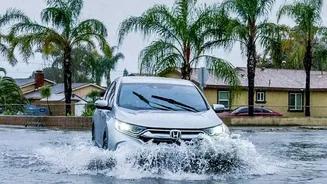
The way it rains in India is changing. While the total volume of rainfall during the monsoon season might not have increased dramatically, its character has shifted. Instead of steady, distributed showers, we are witnessing more extreme rainfall events:
short, ferocious bursts that dump a massive amount of water in a few hours or days. Climate change is a major driver, warming the oceans and allowing the air to hold more moisture, which is then released in intense downpours. These cloudbursts can overwhelm natural and man-made drainage systems in minutes, causing flash floods even in areas that haven't received above-average seasonal rain. This pattern means a season can experience long dry spells punctuated by catastrophic floods, a volatile combination that makes judging risk by looking at the cumulative total misleading.
Our Cities: A Concrete Trap
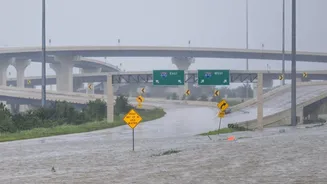
India's rapidly growing cities are becoming dangerously efficient at flooding. Unplanned urbanization has replaced soil, wetlands, and green spaces with concrete and asphalt. These impermeable surfaces prevent rainwater from seeping into the ground, forcing it to become surface runoff. Studies show this can increase flood peaks by up to eight times. In cities like Bengaluru, the built-up area has expanded dramatically at the expense of vegetation and water bodies. Lakes, ponds, and floodplains that once acted as natural sponges, absorbing and storing excess water, have been encroached upon or built over. Combined with undersized and poorly maintained stormwater drains often clogged with waste, this creates a perfect storm for urban flooding, turning moderate rainfall into a civic crisis.
When Dams Worsen the Deluge
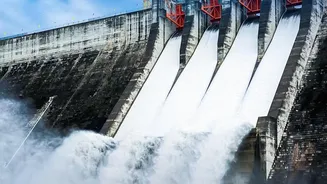
Dams are built to control floods and store water, but they can also become a source of disaster. The problem often lies in their operation. During heavy rainfall, dam operators face a difficult choice. If they release water too early, they risk emptying a reservoir needed for drier months. If they wait too long, the reservoir may reach full capacity just as downstream areas are already flooding from rain, forcing a sudden, massive release of water that exacerbates the disaster. This very scenario has been blamed for worsening major floods in states like Kerala, Maharashtra, and Odisha, where operational missteps turned manageable situations into catastrophes. Critics argue that dam operators are rarely held accountable for these decisions, which can have life-or-death consequences for communities living downstream.
The Himalayan Wildcard: Melting Glaciers
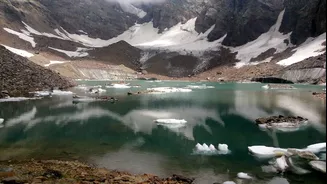
A unique and growing threat looms over India's northern states: Glacial Lake Outburst Floods (GLOFs). As climate change accelerates the melting of Himalayan glaciers, vast quantities of meltwater are accumulating to form new lakes or expand existing ones. These lakes are often dammed by unstable natural barriers of ice and rock. An earthquake, avalanche, or even just the pressure of the rising water can cause these fragile dams to breach, releasing a devastating torrent of water, mud, and debris downstream with little warning. The 2023 disaster in Sikkim, which destroyed a major dam and claimed dozens of lives, was a stark reminder of this danger. Authorities in Himalayan states like Sikkim and Jammu and Kashmir have identified dozens of high-risk glacial lakes, highlighting a flood threat that is entirely independent of the monsoon cycle.
Landscapes Under Stress
Beyond the cities, changes in land use across rural and forested areas are also increasing flood vulnerability. Widespread deforestation, mining, and unsustainable agricultural practices degrade the soil and remove the vegetation that naturally helps to slow down and absorb rainwater. This leads to faster runoff into rivers, increasing the risk of riverine floods. In hilly regions, this soil degradation also contributes to a higher frequency of landslides during heavy rain, which can block rivers and cause further flooding. Research into recent floods in Assam, for example, pointed to human factors like deforestation and destruction of wetlands as primary drivers, outweighing even the impact of the rainfall itself.