





The Landfill’s Hidden Problem
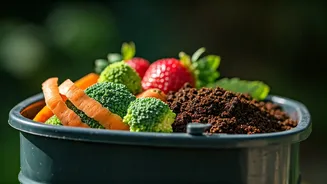
For most of us, kitchen waste is an out-of-sight, out-of-mind problem. We bag it, leave it for collection, and it disappears. But its journey ends in a landfill, where it causes a significant environmental issue. When organic matter like food scraps,
peels, and yard trimmings gets buried under layers of other trash, it decomposes without oxygen—a process called anaerobic decomposition. This process releases methane, a greenhouse gas that is over 25 times more potent than carbon dioxide at trapping heat in the atmosphere. In India, where urban centres generate tens of thousands of tonnes of municipal solid waste daily, a large fraction of which is organic, landfills are becoming major contributors to climate change. Every scrap of food we send to the dump is part of a much larger, invisible problem.
Creating ‘Black Gold’ from Scraps
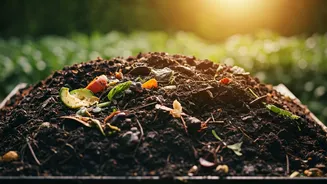
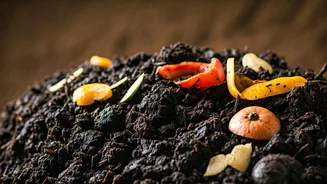
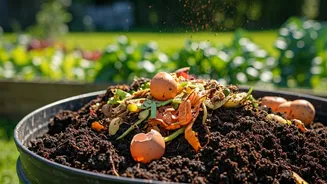
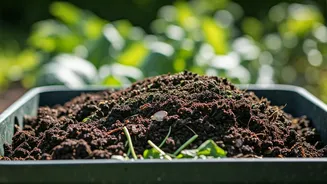
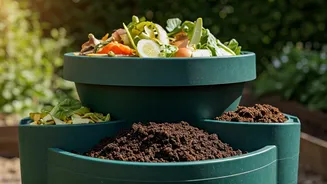
Composting flips this script entirely. Instead of letting organic waste rot and release harmful gases, composting facilitates its decomposition in the presence of oxygen. This aerobic process transforms what we consider ‘waste’ into a dark, crumbly, and nutrient-rich material affectionately known by gardeners and farmers as ‘black gold’. It doesn't smell like a rotting bin; good compost smells earthy and fresh. The process is a collaboration between you and a microscopic army of bacteria, fungi, and other organisms that work tirelessly to break down organic material into humus. This stable, valuable substance is the cornerstone of healthy soil, effectively turning your kitchen leftovers into a life-giving resource.
Healing the Soil, Saving Water
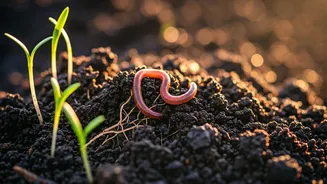
The benefits of adding this ‘black gold’ back to the earth are immense. Unlike chemical fertilisers that provide a quick but often unsustainable jolt of nutrients, compost works to improve the very structure of the soil. It adds essential organic matter that helps sandy soil retain water and nutrients, and helps clay soil loosen up to allow for better drainage and root growth. For a country like India, which faces both water scarcity and periods of intense monsoon rains, this is critical. Healthier soil acts like a sponge, absorbing and holding onto rainwater, which reduces runoff, prevents soil erosion, and lessens our reliance on irrigation. By nourishing the soil, compost helps grow healthier, more resilient plants that are less susceptible to pests and diseases, reducing the need for chemical pesticides.
Closing the Waste Loop
Composting is a practical, everyday example of a ‘circular economy’. Our current model is largely linear: we take resources, make products, use them, and then dispose of them as waste. This is unsustainable. Composting offers a circular alternative. Nutrients from the earth grow our food. We eat the food, and the scraps, instead of being thrown away, are returned to the earth to nourish the next cycle of growth. It’s a simple, elegant loop that mimics nature’s own processes. By choosing to compost, you are actively participating in a more sustainable system. You are diverting waste from overburdened landfills, reducing greenhouse gas emissions, and creating a valuable product that helps regenerate the land. It’s a powerful rejection of the ‘throwaway’ culture.
A Force for Community Connection
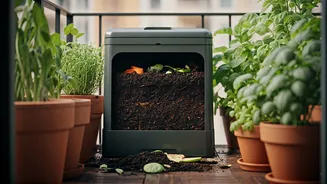
While you can certainly compost on your own balcony or in your backyard, the practice also has the power to build communities. Across India, residents in apartment complexes are coming together to set up community composting systems, turning their collective waste into a shared resource for their gardens and parks. Neighbourhood initiatives and urban farming projects are using compost to create green pockets in concrete jungles, teaching children and adults alike about food systems and environmental responsibility. It becomes a point of connection, a shared project that fosters collaboration and a collective sense of stewardship over the local environment. Composting moves from being a solitary chore to a communal act of care.