





Myth: Protein Powder is Only for Bodybuilders
This is one of the most persistent myths, often fueled by marketing that shows hyper-muscular athletes. The truth is, protein is an essential macronutrient for everyone, not just those looking to build bulk. It's crucial for repairing tissues, producing
enzymes and hormones, supporting immune function, and maintaining muscle mass as we age. While whole foods are the ideal source, protein powder can be a convenient tool for anyone who struggles to meet their daily protein needs, including older adults, individuals on restrictive diets, or busy professionals on the go. It's simply a food product, not a magic bulking agent.
Myth: Protein Shakes Make Women Bulky
Many women avoid protein supplements fearing they will develop large, bulky muscles. This is a physiological misconception. Women have significantly lower levels of testosterone, a key hormone for substantial muscle growth, making it incredibly difficult to 'bulk up' by accident. Gaining significant muscle mass requires a combination of a high-calorie diet and intense, targeted weight training over a long period. A protein shake simply helps repair and build lean muscle tissue; it won't transform your physique on its own.
Myth: You Must Drink a Shake Immediately After a Workout
The idea of a 30-minute 'anabolic window' where you must consume protein or waste your workout has been widely debunked. While muscles are more sensitive to protein after exercise, this heightened state lasts for many hours, not just a few minutes. For most people exercising once a day, the total amount of protein consumed throughout the entire day is far more important for muscle growth and recovery than precise timing. There's no need to frantically chug a shake in the locker room. Consuming protein within a couple of hours of your workout is perfectly fine.
Myth: All Protein Powders Are the Same
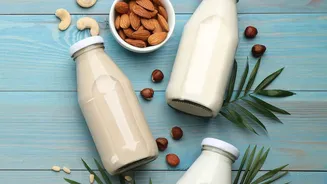
The protein aisle can be overwhelming, but the options exist for a reason. Powders vary by source, and each has different properties. Whey, a milk-derived protein, is fast-digesting and rich in leucine, making it popular for post-workout recovery. Casein, also from milk, digests slowly, providing a steady release of amino acids, which is ideal for overnight recovery or between meals. Plant-based proteins, like pea, soy, or rice, are excellent for vegans or those with dairy sensitivities. Blending different plant proteins can ensure a complete amino acid profile, making them just as effective.
When Expert Nutrition Advice Is Key
While protein powders are generally safe for healthy individuals, they aren't for everyone, and self-guiding isn't always wise. Consulting a registered dietitian or a qualified nutritionist is crucial in several scenarios. If you have any pre-existing health conditions, especially kidney or liver disease, getting professional advice is non-negotiable, as high protein intake can strain these organs. Pregnant or breastfeeding women, older adults with specific health concerns, and those with diagnosed food allergies or digestive issues should also seek guidance. An expert can help determine your actual protein needs, which vary based on age, activity level, and health status, ensuring you supplement safely and effectively without overdoing it.
How to Choose a Quality Product
The supplement market in India can be tricky to navigate. Always check for an FSSAI license number on the package and, if possible, verify it online. Look for products that have been third-party tested by independent labs, which ensures the label is accurate and the product is free from contaminants. Read the ingredient list carefully; a shorter list is often a good sign. Pay attention to the protein per serving, not just the claims on the front, and be wary of excessive added sugars or fillers. Finally, compare the cost per gram of protein, not just the tub price, to find the best value.