




The Green Thumb's Dilemma
Balcony gardening has taken root in Indian cities, with millennials and Gen Z transforming small spaces into lush green sanctuaries. From tomatoes in Mumbai to herbs in Bengaluru, urban farming is a lifestyle choice. But container gardening comes with a unique
challenge: managing water. Unlike plants in the ground, a potted plant’s roots sit in a finite space where water can accumulate, leading to root rot, fungal diseases, and a slow, sad decline. Guessing when to water is a fine art, complicated by changing seasons, pot sizes, and the specific needs of each plant. Many well-intentioned gardeners end up killing their plants with kindness, providing more water than they can handle.
A Smart Solution Takes Root
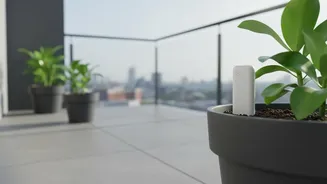
Enter the micro-engineered plant sensor. This isn't science fiction; it's a growing trend in home gardening. These small, probe-like devices are designed to be inserted directly into the soil of a pot. Once placed, they act as a personal health tracker for your plant, taking the guesswork out of care. Instead of relying on a finger-dip test or a wilting leaf, plant parents can get real-time data on what their plant is actually experiencing. Brands like Sonoff and Xiaomi, among others, offer various models available in the Indian market, making this technology increasingly accessible for hobbyists.
How Do These Gadgets Work?
At their core, these smart sensors measure the most critical variables for plant health. The primary function for most is monitoring soil moisture, which directly addresses the overwatering problem. However, many models go further, tracking ambient light levels, temperature, humidity, and even soil nutrient levels. This data is typically sent via Bluetooth or Wi-Fi to a dedicated app on your smartphone. The app doesn't just display raw numbers; it interprets them. By cross-referencing the data with a database of plant species, it can tell you if your fern is getting enough light or if your money plant is too damp, sending you an alert when conditions fall outside the ideal range.
Made for the Indian Balcony Garden
This technology is particularly useful for the varied climates across India. A balcony garden in Delhi faces scorching summer heat, while one in Chennai contends with high humidity and monsoon downpours. A smart sensor helps a gardener adapt. For instance, terracotta pots, popular in India, dry out very quickly in the summer, and a sensor can alert you the moment the soil is too dry. Conversely, during the monsoon, it can warn you that the soil is already saturated, preventing you from adding more water and risking root rot. This data-driven approach allows for precise care, conserving water and helping plants thrive in less-than-ideal urban conditions. It empowers new gardeners, giving them the confidence to grow more than just the hardiest plants.
Choosing Your Digital Gardener
As with any tech, there's a range of options. For those just starting, a simple, budget-friendly Bluetooth sensor that monitors moisture and light is a great entry point. Look for models like the Xiaomi Mi Plant Monitor which is often recommended for beginners. For more serious gardeners managing multiple plants or a small greenhouse, Wi-Fi enabled systems from brands like RainPoint or Ecowitt offer remote monitoring, allowing you to check on your plants from anywhere. Consider the sensor's power source (battery life is key), the user-friendliness of its companion app, and whether it measures the specific variables that matter most to you. Some DIY kits are also available in India, starting from around ₹899, for those who enjoy a hands-on project.